Older collectors, particularly those in the 25-40 age range, tend to collect more Pokemon cards than younger demographics when measured by both spending and total collection value. While children and teenagers remain active participants in the hobby, adults with disposable income have driven the modern collecting boom, with surveys from hobby industry analysts showing that collectors aged 30-39 spend an average of three times more annually on Pokemon cards than those under 18. The nostalgia factor plays a significant role here””many of these adult collectors grew up with the original 1999 Base Set and have returned to the hobby with the financial means to pursue cards they could only dream of owning as kids.
However, the answer shifts depending on how you define “collect more.” If you measure by sheer enthusiasm, trade frequency, or time spent engaging with the hobby, younger collectors often match or exceed their older counterparts. A 12-year-old trading cards at school every day and watching pack opening videos for hours might be more deeply engaged than a 35-year-old who buys a booster box once a quarter. This article explores the demographics of Pokemon card collecting, examines spending patterns across age groups, looks at what motivates different generations, and considers how the hobby might evolve as today’s young collectors grow into tomorrow’s adult buyers.
Table of Contents
- What Age Group Spends the Most on Pokemon Card Collecting?
- How Nostalgia Drives Collecting Habits Across Generations
- Collection Goals Differ Significantly by Age
- How Income and Life Stage Impact Collecting Patterns
- Challenges Each Age Group Faces in Building Collections
- The Role of Trading in Different Age Groups
- The Future of Pokemon Collecting Demographics
- Conclusion
What Age Group Spends the Most on Pokemon Card Collecting?
Adults between 25 and 40 represent the highest-spending demographic in the Pokemon card market. Data from eBay’s 2021 marketplace report showed that the average Pokemon card buyer on the platform was 30 years old, and transactions in the $500+ range were dominated by buyers over 25. This spending power translates directly into collection size for many adult collectors who focus on completing sets, acquiring graded cards, or chasing vintage rarities from their childhood. The spending gap becomes particularly stark when examining high-end cards. When a PSA 10 Base Set Charizard sells for $50,000 or more, the buyer is almost never a teenager using allowance money.
These premium purchases require not just disposable income but also the collector knowledge that typically comes with years in the hobby. Meanwhile, younger collectors tend to purchase more sealed product at retail prices, spreading smaller amounts across more frequent transactions. This doesn’t mean younger collectors are insignificant to the market. The Pokemon Company reported in 2023 that their primary target demographic remains children aged 6-14, and this group drives massive volume in terms of booster pack sales. However, when calculating total collection value or annual hobby spending, older collectors consistently outpace younger ones by substantial margins.

How Nostalgia Drives Collecting Habits Across Generations
Nostalgia functions as one of the most powerful motivators in the Pokemon card market, and it affects age groups in fundamentally different ways. For collectors in their 30s and early 40s, the original Wizards of the Coast era represents their childhood, and cards from 1999-2003 carry emotional weight that newer releases simply cannot replicate. These collectors often pay premium prices for cards they once owned, creating a market where a heavily played Base Set Blastoise can sell for more than a mint condition modern ultra rare. Younger collectors lack this nostalgic connection to vintage cards but are forming their own attachments to current releases. A 10-year-old opening Scarlet and Violet packs today may feel the same excitement that a current 35-year-old felt opening Jungle packs in 1999.
The difference lies in market pricing””those Scarlet and Violet cards are readily available at retail, while the vintage cards have finite supply and decades of emotional buildup from an entire generation. However, nostalgia can also lead older collectors toward poor purchasing decisions. The “I had this as a kid” mentality sometimes causes buyers to overpay for cards with personal significance, ignoring market fundamentals. A collector might spend $300 on a PSA 7 card from their childhood when that same money could buy a PSA 10 of a more collectible card from the same set. Younger collectors, unburdened by these emotional attachments, sometimes make more rational investment choices within their budgets.
Collection Goals Differ Significantly by Age
What collectors actually want from their collections varies dramatically across age groups, shaping not just what they buy but how much they accumulate. Younger collectors often prioritize breadth””they want lots of cards, variety in their binders, and the excitement of opening packs without necessarily focusing on condition or long-term value. A typical young collector might have thousands of cards but relatively few worth more than a dollar each. Adult collectors frequently shift toward depth and quality over quantity. Rather than accumulating every common and uncommon from a set, they might focus exclusively on chase cards, graded copies, or complete master sets with all variations.
A 35-year-old collector might own only 200 cards but have a collection worth more than a teenager’s 5,000-card hoard. This quality-over-quantity approach means older collectors often “collect less” by card count while simultaneously “collecting more” by value. The exception to this pattern appears among competitive players, where age becomes less relevant than tournament participation. Serious competitive players of any age accumulate playsets of meta-relevant cards, often building extensive collections purely for deck-building purposes. A 16-year-old grinding League Cups might own more competitively valuable cards than a 40-year-old who collects purely for display, demonstrating that collecting goals matter more than age in some contexts.

How Income and Life Stage Impact Collecting Patterns
Disposable income remains the single largest factor determining collection size, and this naturally correlates with age in predictable ways. A collector in their prime earning years with no children has fundamentally different buying power than a college student or a parent of three young kids. The stereotypical “heavy collector” demographic skews toward single adults or couples without children aged 28-45, who combine nostalgia motivation with financial capacity. The comparison between a 30-year-old software engineer and a 15-year-old high school student illustrates this gap clearly. The adult might allocate $500 monthly to the hobby without financial strain, while the teenager stretches a $50 birthday gift across several months.
Over a year, this creates a tenfold difference in collection growth despite potentially equal enthusiasm levels. The teenager might actually spend more time thinking about, researching, and trading cards while still building a smaller collection in absolute terms. Life stage disruptions affect collectors of all ages differently. Marriage, home buying, career changes, and especially having children frequently cause collecting hiatuses or selloffs among adult collectors. Many legendary collections have hit the market because their owners needed to fund real-life expenses. Younger collectors face their own disruptions””college costs, first apartments, early career instability””but these typically occur before collections have grown large enough for major selloffs to matter.
Challenges Each Age Group Faces in Building Collections
Young collectors face access problems that older collectors have largely solved. Without credit cards, online purchasing becomes complicated, limiting younger buyers to local retail availability. During the 2020-2021 Pokemon card boom, this meant many young collectors couldn’t find product at all while scalpers bought everything and resold online. Adults with PayPal accounts and the ability to pay above retail kept collecting while kids waited months for restocks at Target. Authentication and grading present another age-related challenge. Submitting cards to PSA or CGC requires understanding the process, paying $20-150+ per card, and waiting months for returns””barriers that disproportionately affect younger collectors.
A teenager might own a potentially valuable card but lack the knowledge or means to verify and protect its value. Adult collectors with grading experience can better identify submission-worthy cards and navigate the process efficiently. Older collectors face different challenges, particularly around time constraints and staying current with the hobby. Someone working full-time with family obligations might miss limited releases, fall behind on set knowledge, or simply lack time to hunt for deals. The Pokemon Company releases new sets every few months, and keeping up requires significant time investment. A retired collector or a young person on summer break has natural advantages in availability that a 35-year-old professional cannot match regardless of budget.
The Role of Trading in Different Age Groups
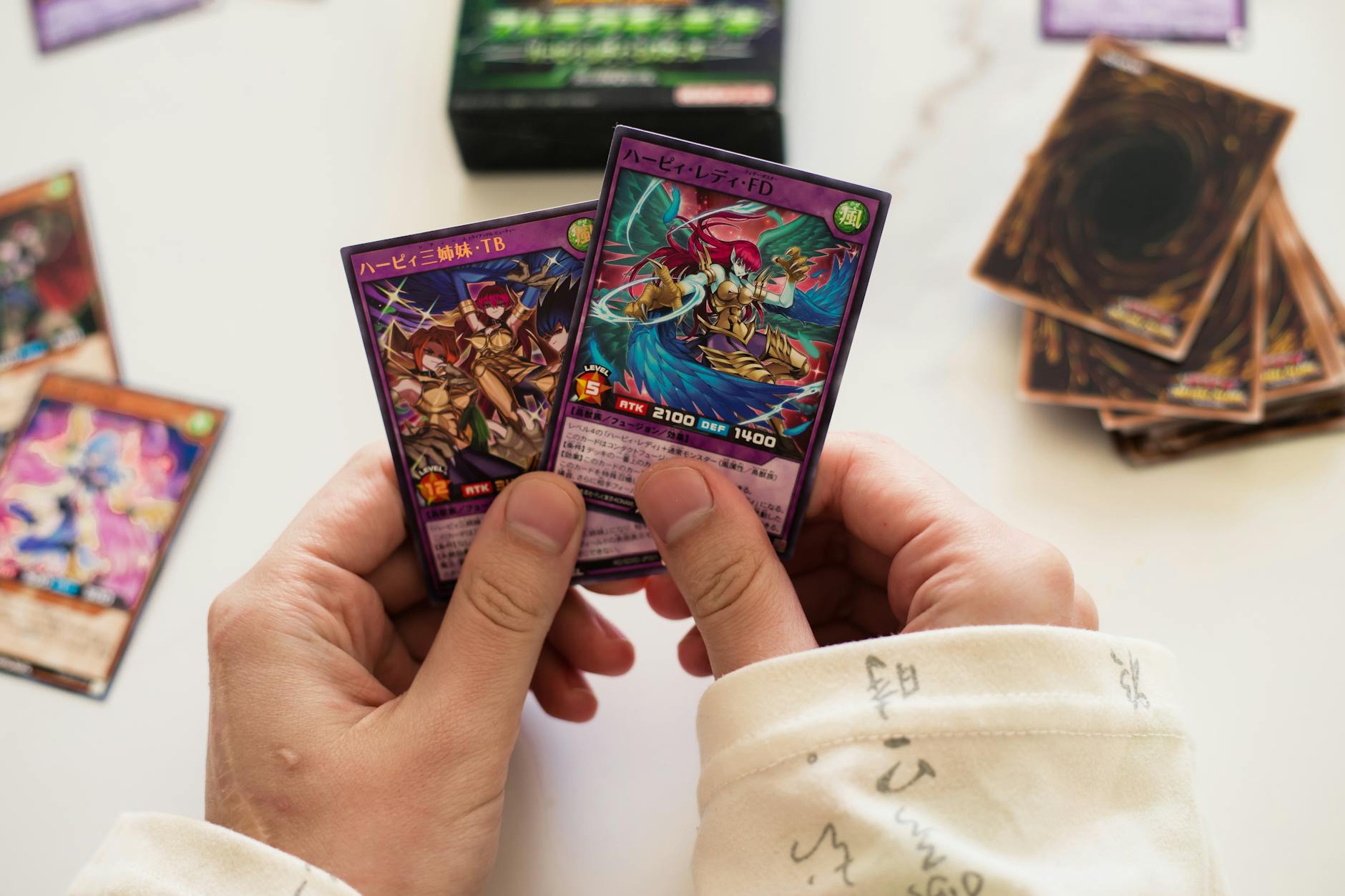
Trading represents perhaps the largest behavioral difference between younger and older collectors. Elementary and middle school trading circles remain a fundamental part of the hobby experience for young collectors, with cards changing hands constantly based on perceived coolness rather than market value. A holographic card might trade for ten non-holos simply because it’s shiny, teaching young collectors negotiation skills even if the trades wouldn’t make sense to adult eyes.
Adult collectors trade far less frequently, and when they do, trades typically occur through organized channels like Reddit communities, Discord servers, or trading events at conventions. These trades tend to be carefully valued with both parties consulting price guides. The spontaneous, social trading that defines youth collecting largely disappears, replaced by calculated transactions that more closely resemble buying and selling than traditional trading.
The Future of Pokemon Collecting Demographics
The Pokemon collecting hobby will look different in 2035 than it does today, with demographic shifts already underway. Today’s young collectors will become tomorrow’s nostalgic adults, potentially driving demand for Sword and Shield or Scarlet and Violet era cards the way current adults drive demand for Base Set. The hobby has proven remarkably durable across generations, suggesting that the age-related patterns observed today will continue even as specific card eras rotate through the nostalgia cycle.
Generational wealth transfer may also reshape collecting demographics over the next two decades. As Baby Boomer and early Gen X collectors age, their collections will pass to younger family members or hit the secondary market. This influx of vintage material could make older cards more accessible to younger collectors than ever before, potentially shifting the age dynamics around vintage collecting specifically.
Conclusion
When measured by spending and collection value, older collectors definitively collect more Pokemon cards than younger ones. The combination of disposable income, nostalgia motivation, and decades of collecting experience creates advantages that enthusiasm alone cannot overcome. However, this financial measure tells only part of the story””younger collectors often engage more deeply with the social and experiential aspects of the hobby that originally made Pokemon cards compelling.
The healthiest approach to this comparison recognizes that both demographics contribute essential elements to the hobby’s ecosystem. Young collectors create the pipeline of future adult buyers while keeping the hobby’s playful spirit alive. Adult collectors provide the market depth and serious investment that maintains card values and supports the infrastructure of grading, authentication, and organized trading. Neither group would thrive without the other, and both have legitimate claims to being “real” collectors regardless of collection size or value.