Understanding do returning collectors learn faster now because information is everywhere is essential for anyone interested in Pokemon card collecting and pricing. This comprehensive guide covers everything you need to know, from basic concepts to advanced strategies. By the end of this article, you’ll have the knowledge to make informed decisions and take effective action.
Table of Contents
- How Has Information Access Changed the Learning Curve for Returning Pokemon Card Collectors?
- The Role of Online Communities in Accelerating Collector Education
- What Nostalgia-Driven Collectors Need to Know About Modern Pricing
- Practical Steps for Returning Collectors to Leverage Modern Resources
- Common Pitfalls When Information Abundance Meets Rusty Knowledge
- How Digital Platforms Have Changed the Social Side of Collecting
- What the Market Growth Suggests About Information-Equipped Collectors
- Conclusion
How Has Information Access Changed the Learning Curve for Returning Pokemon Card Collectors?
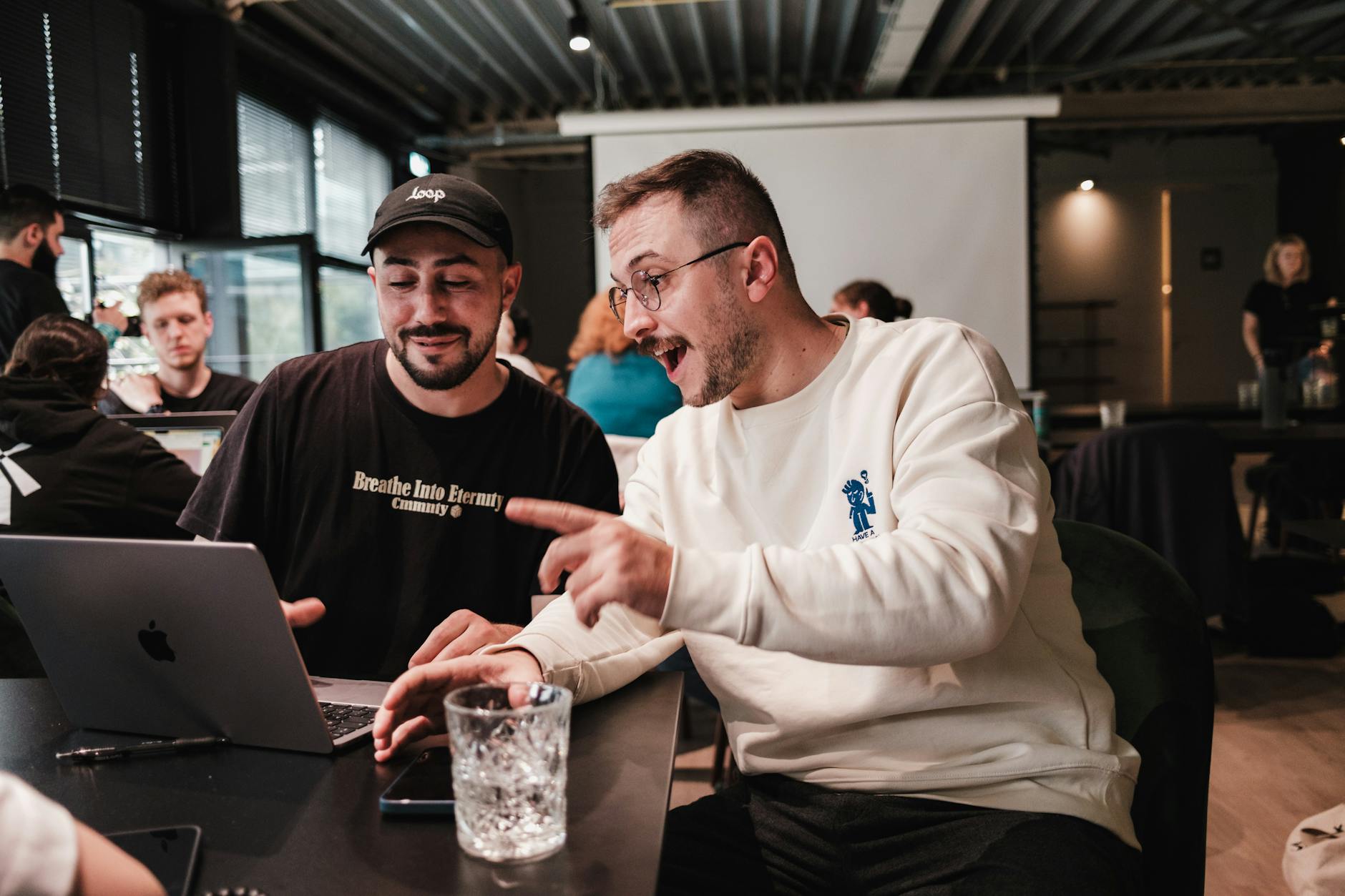
The internet has fundamentally restructured how collectors build knowledge. Before widespread digital access, learning to identify valuable cards, spot fakes, and understand market trends required physical presence””attending local card shops, befriending experienced collectors, and slowly accumulating wisdom through expensive mistakes. Today, 62% of collectors shop online, and digital platforms have transformed not just purchasing but education itself. A returning collector can watch YouTube tutorials on identifying first edition stamps, read Reddit threads comparing PSA and CGC grading, and cross-reference eBay sold listings””all within a single evening. Mobile apps have particularly accelerated the identification phase. Tools like CollX and LUDEX use AI to identify cards from photographs and pull current market values based on actual recent sales.
This eliminates one of the steepest parts of the old learning curve: memorizing which cards from which sets in which conditions commanded premiums. A returning collector who remembers pulling a holographic Charizard in 1999 but has no idea what it’s worth today can get a reasonable estimate in seconds rather than hunting down a reputable dealer. However, the comparison to the pre-internet era reveals an important nuance. Older collectors sometimes developed deeper pattern-recognition skills precisely because information scarcity forced careful study. They learned to feel the texture of authentic cards, memorize subtle printing differences between runs, and develop intuition that took years to build. Modern tools can shortcut around this knowledge, but whether they fully replace it remains debatable among experienced collectors.

The Role of Online Communities in Accelerating Collector Education
Community feedback consistently suggests that “it is easier to be a new collector today than at literally any other point in time.” This sentiment reflects not just tool availability but the democratization of expert knowledge through forums, Discord servers, Facebook groups, and subreddits. A returning collector with a question about whether their shadowless Blastoise has a legitimate holo pattern can post photos and receive feedback from dozens of experienced collectors within hours. Geographic isolation, once a major barrier, has largely disappeared as a limiting factor. As one collector noted, “with the internet our recliners are the new coin show. Might make more collectors since it’s easier.” Someone returning to the hobby in rural Montana has access to the same collective expertise as someone in Tokyo or London.
Collection management services like Hobby Keeper Online allow organizing and tracking collections from any location via browsers, smartphones, or tablets, creating a persistent record that would have required meticulous physical cataloging in previous decades. The limitation here involves signal-to-noise ratio. More information access also means more misinformation, more conflicting opinions, and more voices without genuine expertise. A returning collector asking about card authentication might receive ten different answers from ten different community members, not all of them accurate. Learning to identify trustworthy sources within communities is itself a skill that takes time to develop””one that instant access cannot automatically provide.
What Nostalgia-Driven Collectors Need to Know About Modern Pricing
Over 45% of hobbyist engagement is driven by nostalgia, and the “kidult” demographic””adults collecting toys and cards from their childhood””commands approximately 34% market share in toy collectibles as of 2025. For returning Pokemon collectors, this often means re-entering the hobby with strong emotional attachments to specific cards but outdated assumptions about value. The 1999 Charizard they remember as the ultimate prize may indeed be valuable, but understanding why requires navigating a pricing landscape far more complex than memory suggests. modern pricing tools provide transparency that cuts both ways. A returning collector can instantly verify that their childhood collection has appreciated significantly””or discover that cards they assumed were valuable are worth far less than expected.
Raw cards in played condition, regardless of rarity, rarely command the premiums that graded mint copies achieve. Mobile apps reporting “values” often reference recent sales of professionally graded specimens, which can create misleading expectations for someone holding ungraded cards with visible wear. The specific example worth noting: a returning collector might scan their Base Set Venusaur and see values ranging from $20 to $2,000 depending on condition and grading. Without understanding that a PSA 10 represents a different product than a raw near-mint copy, the information access can actually create confusion rather than clarity. The tools accelerate learning, but context still requires human guidance or careful study of what the numbers actually represent.
Practical Steps for Returning Collectors to Leverage Modern Resources
The most efficient approach for returning collectors involves layering different information sources rather than relying on any single tool. Start with identification apps to establish baseline card recognition and approximate values. Then cross-reference against actual sold listings on eBay (not active listings, which reflect asking prices rather than market reality). Finally, engage with community resources for context about trends, authentication concerns, and grading recommendations. This layered approach represents a tradeoff between speed and depth. Apps provide the fastest answers but the least context.
Sold listings provide market evidence but require interpretation about condition comparisons. Community engagement provides the deepest understanding but demands more time and the ability to evaluate conflicting opinions. Returning collectors who rush through the first layer without progressing to the second and third often make purchasing decisions based on incomplete understanding””paying graded-card prices for raw cards, or dismissing valuable variants because the app didn’t recognize them. Mobile learning statistics from broader educational research suggest productivity boosts of 43%, with users completing training 45% faster and retaining 45% more information than desktop users. Applied to collecting, this suggests that the phone-based tools returning collectors naturally gravitate toward are genuinely effective learning accelerators. The constraint is ensuring those tools connect to deeper knowledge rather than substituting for it entirely.
Common Pitfalls When Information Abundance Meets Rusty Knowledge
The vintage segment led the collectibles market with 40.33% revenue share in 2024, which means returning collectors often focus precisely on the category with the highest stakes and the greatest potential for costly errors. Information abundance creates a false sense of security””the assumption that because answers are available, the collector has found the correct answers. Authentication of high-value vintage cards remains a specialized skill that apps and communities can support but not guarantee. One persistent pitfall involves condition assessment. A returning collector might remember their cards as “mint” because they were careful as children, but professional grading standards are brutally precise.
Centering, surface scratches invisible to casual inspection, and edge whitening all affect grades dramatically. The information environment makes it easy to research what a PSA 10 sells for but provides less intuitive guidance about whether a specific card might achieve that grade. Submission fees, wait times, and the possibility of disappointing results represent real costs that enthusiastic returning collectors sometimes underestimate. The warning here is straightforward: faster learning does not mean instant expertise. Returning collectors who spend a weekend researching and then immediately make significant purchases are more likely to overpay or misidentify cards than those who spend several months actively participating in communities, handling cards at local shops or shows, and developing calibrated expectations about condition and authenticity.
How Digital Platforms Have Changed the Social Side of Collecting
Beyond pure information access, digital platforms have transformed the social infrastructure of collecting itself. Those isolated by location can now form communities of interest more easily than ever before. A returning collector whose childhood friends have no interest in Pokemon cards can find thousands of engaged enthusiasts online, creating a social dimension to the hobby that sustains long-term engagement rather than treating it as a purely transactional pursuit.
This matters for learning because sustained engagement leads to accumulated expertise. The returning collector who joins a Discord server and participates casually over six months will absorb far more knowledge than one who intensively researches for a week and then disengages. The internet’s always-available nature means learning can happen in small increments during idle moments rather than requiring dedicated study sessions””a pattern that matches how adults actually have time to pursue hobbies.
What the Market Growth Suggests About Information-Equipped Collectors
The projected growth from $306.44 billion to $535.50 billion by 2033 (a 6.6% compound annual growth rate) reflects a market being fed by information-equipped collectors who can participate with lower barriers to entry than previous generations faced. This growth validates that the tools and communities are genuinely enabling people to engage with collecting, but it also means increased competition for desirable items and continued evolution of what knowledge is necessary to collect effectively.
For returning collectors specifically, this suggests that the advantages of information access are real but not permanent. As more collectors gain access to the same tools, edges derived from simple information access erode. The collectors who thrive long-term will be those who use accelerated learning to reach baseline competence quickly, then develop specialized knowledge in particular areas””specific sets, grading nuances, regional variants, or authentication details””that casual tool users never acquire.
Conclusion
Returning collectors unquestionably learn faster today than at any previous point in the hobby’s existence. Mobile apps, online communities, and instant access to sales data have compressed years of accumulated wisdom into accessible, searchable, always-available resources. The 54% of first-time buyers aged 25-40 includes many returning collectors whose nostalgia (driving over 45% of engagement) brings them back to a hobby now vastly more navigable than when they left.
The nuance worth remembering is that faster learning is not the same as complete learning. Information access accelerates the journey but does not eliminate it. Returning collectors who treat modern tools as starting points rather than final answers””who layer app identification with sold-listing research with community engagement””will develop the calibrated judgment that distinguishes successful collecting from expensive mistakes. The resources have never been better; using them wisely still requires patience and humility about what remains to be learned.