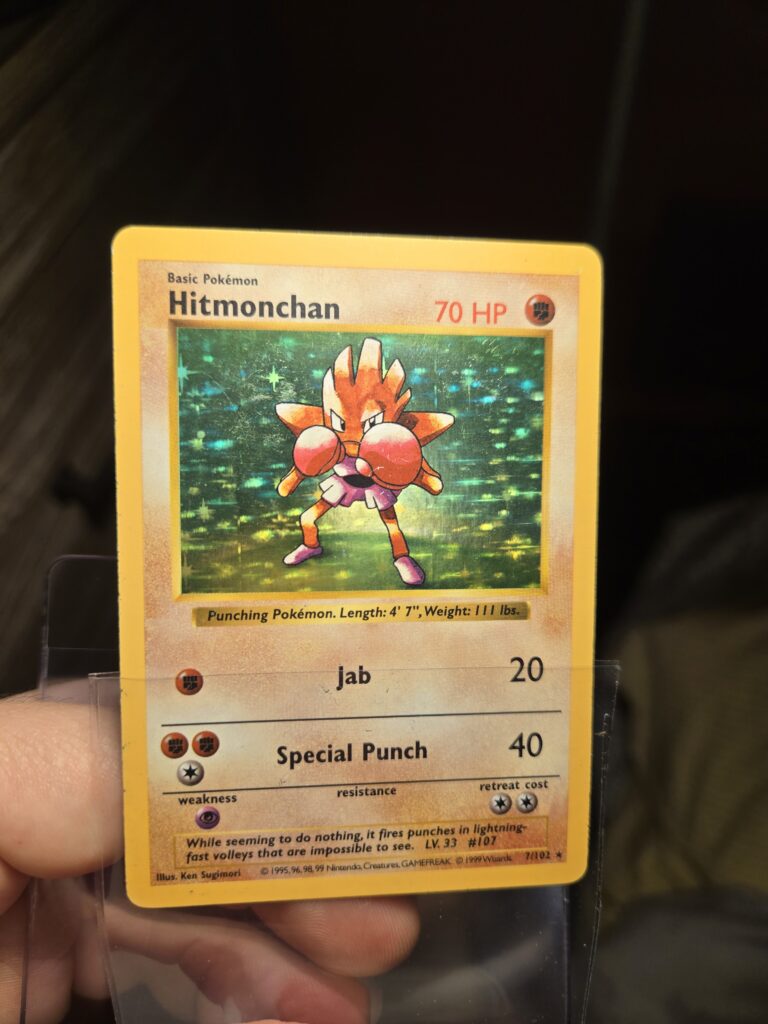
Do Pokémon Cards Provide Cultural Demand Tailwinds?
If you collect Pokémon cards, you might wonder what keeps their prices strong over time. Cultural demand tailwinds are like invisible winds pushing values higher because of a franchise’s popularity in movies, games, apps, and everyday talk. Pokémon has these in spades, creating steady buyer interest that helps card prices hold up or climb.[2][3]
Start with the basics. Pokémon is the top-earning media brand ever, pulling in over $115 billion from games, shows, toys, and more. This massive reach means fans worldwide know characters like Charizard or Pikachu, no matter their age or country. Unlike sports cards tied to real athletes who retire or get injured, Pokémon icons stay perfect and timeless. That built-in fame gives cards a solid demand floor, even in slow markets.[2][3]
Recent numbers back this up. The global trading card market hits about $7.5 billion in 2025, with Pokémon leading the charge thanks to 7-8% yearly growth. Sales jumped 200% from 2024 to 2025 at spots like eBay and Walmart, showing hot demand for recognizable cards.[1][2] On eBay, Gen Z buyers made trading cards their top secondhand purchase this year, beating electronics, books, and cameras. Young men especially shifted cash to Pokémon and similar cards, while parents who grew up with them now play starter decks with their kids, passing the hobby along.[1]
New tech keeps the buzz alive. Pokémon TCG Pocket, a mobile app for card battles, won iPhone Game of the Year from Apple in 2025. It drew over 150 million downloads by October, blending stunning art and easy play to hook new fans. This pulls in players who then hunt physical cards, boosting collector demand.[4][5]
Compare it to sports cards. Sports have loyal fans, with over 160 million Americans following major leagues. But Pokémon reaches beyond borders, even places where baseball is rare, and adds real gameplay value. Over 100 million people play the Pokémon TCG worldwide, keeping old cards useful for games, not just display. Since 2004, top Pokémon cards returned 3,821%, proving they mature fast into reliable holds.[2][3]
Nostalgia plays a big role too. Kids from the 1990s and 2000s, now adults, share their collections with the next generation. This cross-age appeal creates reliable buying waves, from casual flips at Costco to high-end investments dodging stock market risks.[1][2]
In short, Pokémon’s cultural power from media dominance, app hits, and family handoffs acts like steady tailwinds, lifting card prices through thick and thin.[1][2][3][4][5]