Do Pokemon Cards Outperform Mutual Funds Net of Fees?
If you are wondering whether stacking Pokemon cards could beat putting money into mutual funds after their fees, the short answer is that top-tier cards have shown strong gains in recent years, but they fall short of reliable mutual fund performance for most collectors and come with big risks and costs.[1][2]
Mutual funds, especially those tracking the stock market like an S&P 500 index fund, have delivered average annual returns of around 10% before fees over long periods. After typical fees of 0.5% to 1%, that leaves net returns of about 9% or more per year. These funds spread risk across hundreds of companies, making them steady for long-term growth without needing to chase rare finds.
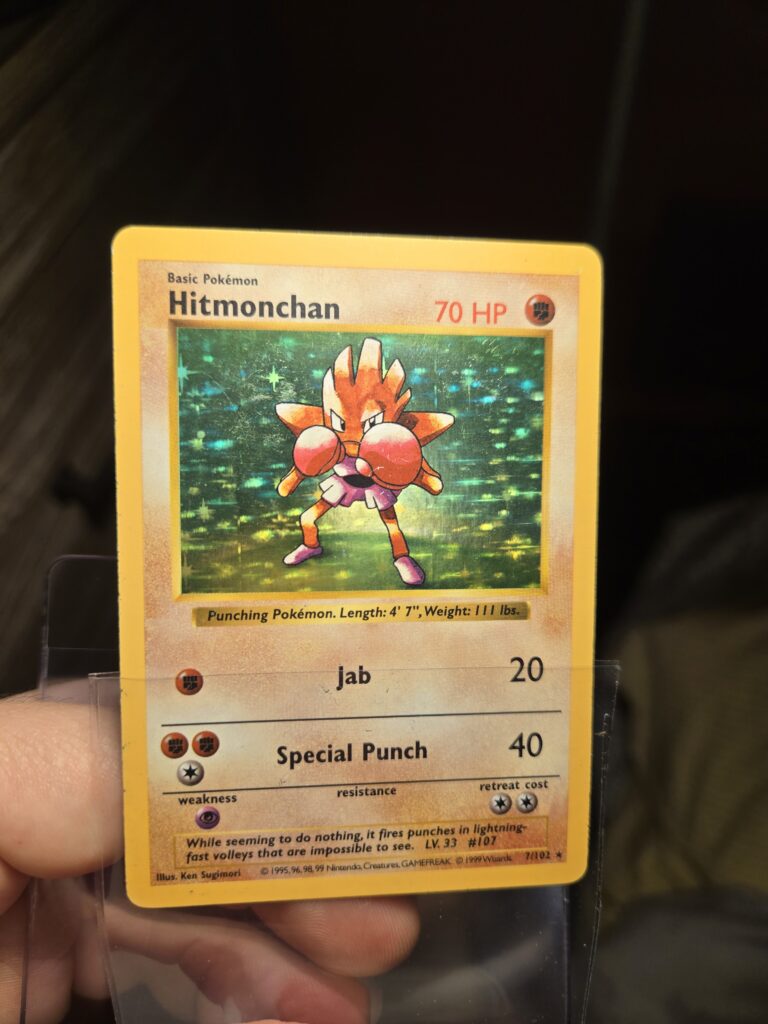
Pokemon cards tell a different story. The trading card market exploded, growing 700% since 2020 according to PSA reports, with the whole industry hitting $44 billion in 2023 and eyeing $98 billion by 2030 at an 8.2% growth rate.[1] High-end examples shine: a PSA 10 Illustrator Pikachu sold for $5.275 million in 2022, and a PSA 10 Shadowless 1st Edition Holo Charizard fetched $420,000 that year. Those are huge wins if you bought early, but they represent the top 1% of cards, not the average pack or binder full.
For everyday collectors, returns are trickier. Values swing based on supply, demand, card condition, and hype from celebrities or new releases. Sites like PriceCharting.com and eBay sold listings help track prices for Pokemon cards, but grading adds costs of $20 to hundreds per card through services like PSA, eating into profits.[2] Many cards fail to beat inflation over time, and the market cooled after the pandemic boom. One expert notes sports and Pokemon cards suit hobbies more than core investments, as only a few stars deliver big payouts.[2]
Compare that to other collectibles. A study on Lego sets from 1987 to 2015 found average annual returns of 11%, topping stocks, bonds, and gold in that period.[1] Rare sets like the Millennium Falcon jumped 8,000%, but again, that’s selective. Pokemon shares similar ups and downs: fun potential, but no guaranteed edge over mutual funds net of fees like grading, storage, and selling commissions.
Building a card portfolio means hunting rarities, storing them safely, and timing sales right. Mutual funds? Set it and forget it with low effort. Cards might outperform in hot streaks, especially graded gems, but data shows they lag as a broad strategy after all costs.[1][2]