Do Pokémon Cards Outperform Gold During Inflationary Periods?
Inflation eats away at your savings, making safe investments like cash less appealing. Many turn to gold as a classic hedge, but Pokémon cards have caught attention for their wild price jumps. The question is whether these colorful collectibles beat gold when prices rise across the economy.[1][2][3]
Gold shines as an inflation fighter in tough times. It holds value when money loses purchasing power, especially during sudden inflation spikes. One analysis notes gold acts more as a shield against extreme, unexpected inflation surges rather than steady rises.[4] Over decades, it has delivered solid but not spectacular returns, often around 5 to 8 percent annually in real terms after inflation. Think of it as a steady ship in stormy seas, protecting wealth without big thrills.
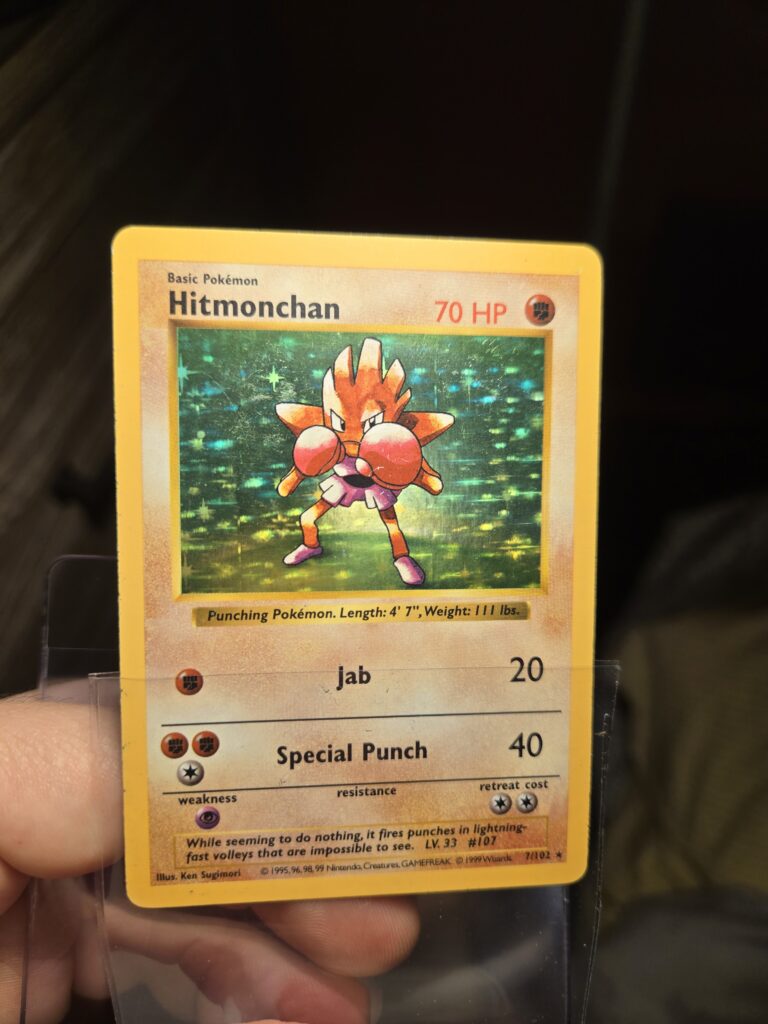
Pokémon cards tell a different story. They have posted eye-popping gains, with average annual returns of 18 to 25 percent from 2015 to 2023 for top performers. Rare ones like the Pikachu Illustrator hit $5.3 million at auction, and gold-themed cards such as Gold Star Espeon fetched over $20,000 in top grades.[1][2][3] Even after the 2021-2022 boom, high-end gold Pokémon cards kept outperforming inflation, with some stabilizing at levels well above rising costs.[2]
Why the edge over gold? Pokémon taps into nostalgia, new collectors from video games and shows, and scarcity from limited prints. The trading card market exploded 700 percent since 2020, hitting $44 billion in 2023 and eyeing $98 billion by 2030.[3] Gold cards, like Shining Charizard or Gold Star Rayquaza, draw extra hype for their shiny appeal and rarity, pushing prices up faster than general inflation.[2]
Compare the numbers side by side. Gold might return 11 percent annually in some long-term studies, similar to bonds or average stocks, but Pokémon’s top tier crushes that during high-inflation years like 2021-2022.[3] For example, PSA 10 gold Pokémon cards gained value while everyday prices soared, outpacing gold’s more modest hedge role.[2][4]
That said, Pokémon packs risks gold avoids. Prices swing with hype, grading quality matters hugely, and market corrections loom if collector fever cools.[1] Gold feels safer with less competition and no fads. Still, for those eyeing inflation beats, Pokémon’s track record gives it a strong case, especially in gold variants that blend collectible charm with investment punch.[2]
Buyers chase ungraded gold foils for $5 to $20 or splurge on PSA 9-10 Gold Stars at $2,000 to $25,000. Event promo cards top $100,000.[2] Track sets like Vivid Voltage or older EX series for the best shots. During inflation, these have held firm while gold plods along.[1][2]
Nintendo’s ongoing pushes, like new games and series, keep demand fresh, fueling prices beyond inflation’s bite.[1] Gold waits on global events; Pokémon rides fan waves. For portfolio mix, a few sealed packs or graded gems could hedge like gold but with upside kicks.[3]