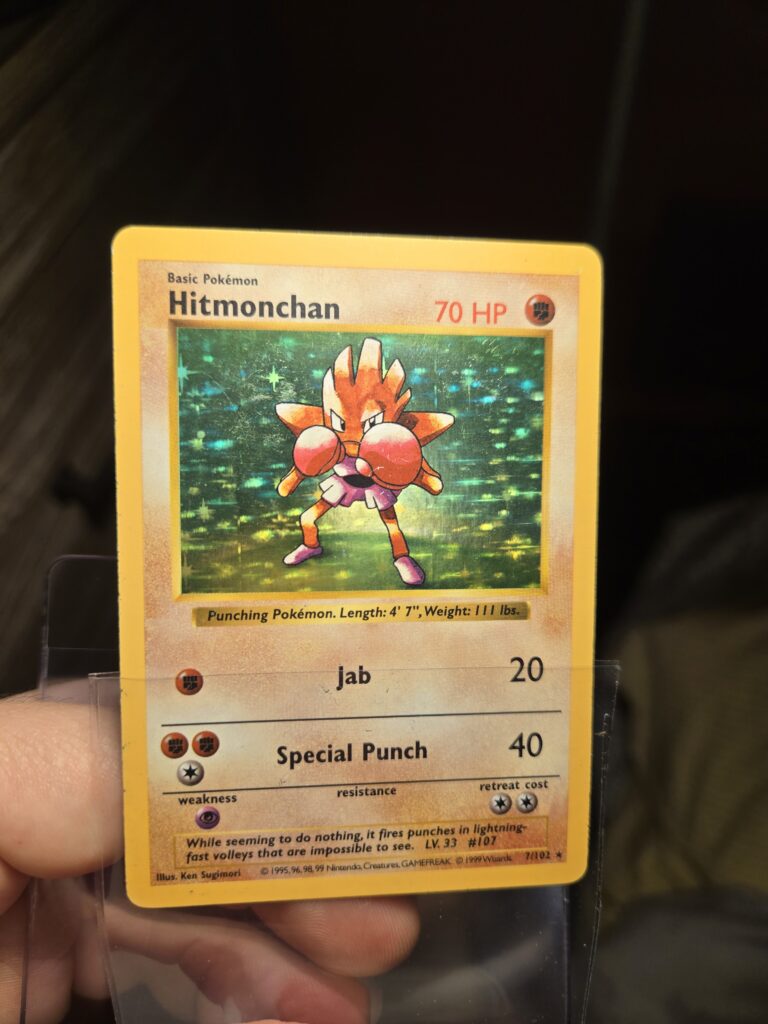
Do Pokémon Cards Outperform ETFs in Sideways Markets?
When stock markets go flat and barely move up or down, investors hunt for better options. Sideways markets happen when big indexes like the S&P 500 trade in a tight range, often returning just 2 to 5 percent a year after fees. ETFs tracking these indexes do okay in bull runs but can feel stuck when nothing changes. Pokémon cards offer a twist. They might beat ETFs in these dull times because collectors drive demand based on hype, rarity, and nostalgia, not overall market trends.[1]
Picture this. From 2020 to 2023, the trading card world exploded. The PSA-graded card market grew 700 percent as people stuck at home during the pandemic scooped up Pokémon and sports cards. Rare ones like a PSA 10 Illustrator Pikachu sold for 5.275 million dollars in 2022. Even a top-grade first-edition Charizard fetched 420,000 dollars that year. The whole industry hit 44 billion dollars in value by 2023 and could double to 98 billion by 2030.[1] This boom came from new fans, celebrities, and flips, much like early crypto rushes where early buyers cashed in big.
ETFs shine in growing markets. They spread risk across hundreds of stocks and charge low fees, say 0.03 percent for something like SPY. But in sideways stretches, like 2015 to 2016 or parts of 2022, they hug zero after inflation. Pokémon cards ignore that. Prices swing on card condition, grading from PSA, and pop culture buzz. A sideways stock year might see vintage Pokémon sets climb 20 to 50 percent if a new game drops or a star shouts it out.[1]
Take real examples. Post-pandemic, while some broad ETFs flatlined, high-end Pokémon cards kept rising. Investors who knew the hobby spotted deals on underpriced gems and flipped them for quick gains. Platforms now let you buy shares in rare cards, making it easier without owning the whole thing.[1] ETFs hedge with options or bonds, but cards hedge on passion. Fans buy regardless of Wall Street.[2]
Not every card wins. You need to learn grading terms like PSA 10 Gem Mint, spot fakes, and track sets like Base Set or modern hits. Newcomers risk overpaying in hype bubbles. Still, in flat markets, cards tap into steady collector demand that ETFs miss. Savvy folks mix a few choice cards into portfolios for that edge when stocks stall.[1]