Do Pokemon Cards Outpace Real Estate Appreciation in Major Cities?
When people think about investing money, they usually picture buying a house or apartment in a growing city. Real estate has been the traditional way to build wealth for generations. But in recent years, something unexpected has happened. Pokemon cards have started showing returns that rival or even beat what you’d get from property investments in major cities.
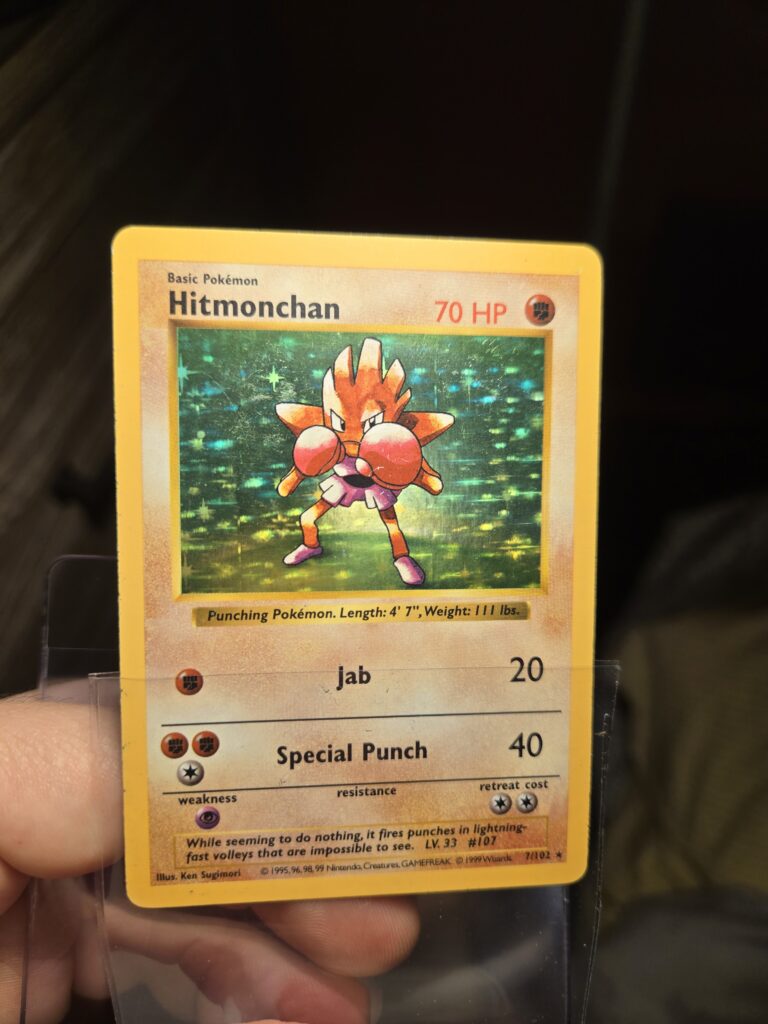
Let’s look at some real numbers. A house in New York City might appreciate 3 to 5 percent per year on average. In San Francisco, you might see similar growth. But certain Pokemon cards have appreciated much faster. A first edition Charizard card from 1999 that sold for a few dollars back then now commands prices in the tens of thousands of dollars. That’s an annual return that makes real estate look slow by comparison.
The key difference is volatility. Real estate moves slowly and steadily. You buy a property, it gains value over decades, and you can count on that growth being fairly predictable. Pokemon cards are different. Some cards skyrocket in value while others stay flat. A card that seems valuable today might lose half its worth in a few years if the market shifts.
Why are Pokemon cards appreciating so fast right now? Several factors are at play. The nostalgia factor is huge. People who grew up in the 1990s now have money to spend, and they want the cards they loved as kids. Supply is limited because most cards from that era were played with and destroyed. Graded cards in high condition are extremely rare. Demand keeps climbing as more collectors enter the market and as Pokemon experiences a cultural resurgence.
Real estate in major cities has its own advantages though. You can live in the property while it appreciates. You can rent it out and collect income. Banks will lend you money to buy real estate, which means you can leverage your investment. With Pokemon cards, you’re putting up your own cash, and you’re not getting any income while you wait for the value to grow.
The comparison also depends on which cards and which cities you’re talking about. A base set Blastoise won’t appreciate like a first edition Charizard. A house in a declining city won’t appreciate like one in Austin or Miami. The best Pokemon card investments require knowledge about which cards matter and which ones don’t. The best real estate investments require understanding local markets and economic trends.
Another thing to consider is liquidity. If you need to sell your house quickly, you might have to drop the price. Selling a Pokemon card can be just as tricky. You need to find the right buyer, and the market for high-end cards can be thin. A card worth 10,000 dollars might take weeks or months to sell at that price.
The tax situation is different too. Real estate gets special tax treatment in many places. You can deduct mortgage interest and property taxes. Capital gains on real estate held for a long time often get favorable tax rates. Pokemon cards are typically taxed as collectibles, which means higher capital gains rates in many jurisdictions.
Insurance and storage matter for cards. You need to keep them in good condition, which means proper storage, humidity control, and sometimes insurance. Real estate requires maintenance and property taxes, but those are different kinds of costs.
Some investors are doing both. They’re buying real estate for stability and income while also investing in Pokemon cards for the potential of higher returns. This approach spreads the risk. If the card market cools down, they still have their property. If the real estate market slows, they might see gains from cards.
The timing of when you buy matters enormously for both investments. Someone who bought Pokemon cards in 2020 when prices were lower has seen incredible returns. Someone who bought at the peak in 2021 might still be waiting to break even. Real estate timing matters too, but the swings are usually less dramatic.
Market saturation is becoming a concern for Pokemon cards. More people are grading cards now. More cards are being pulled from old collections and put on the market. This increased supply could slow appreciation rates going forward. Real estate supply is limited by geography, so that pressure doesn’t exist in the same way.
The psychological element is worth mentioning. Owning a house feels like a real investment to most people. It’s tangible and permanent. Owning a Pokemon card can feel speculative or even frivolous to some, even though the financial returns might be better. This perception affects how seriously people treat the investment and how long they’re willing to hold.
For someone trying to decide between these two investment paths, the answer depends on their goals. If you want steady, predictable growth and you need a place to live, real estate makes sense. If you have extra capital and you’re willing to accept higher risk for potentially higher returns, Pokemon cards deserve consideration. The best investors often find room for both in their portfolio.