Do Pokémon Cards Offer Better Emotional Value Than Returns?
Many collectors wonder if Pokémon cards are worth chasing for the money or if the real payoff comes from the feelings they spark. For fans on PokemonPricing.com, the answer often leans toward emotion winning out over pure financial gains, even when prices soar.
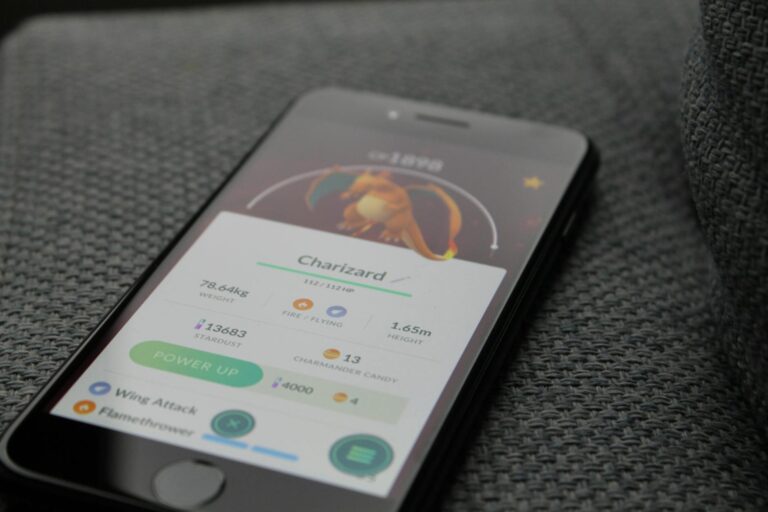
Take the famous First Edition Charizard from 1999. In near-mint condition with a solid grade, it sells for about $12,000. But hit that perfect PSA 10 grade, and it jumps to nearly $400,000.[1] That kind of jump shows how grading and condition can turn a card into a serious asset. Stories like a GameStop customer selling a rare card for $30,000 highlight real windfalls, with experts pegging its fair market value even higher at $34,883.[2] These wins prove cards can deliver strong returns, especially for rare finds from the early days.
Yet top collectors like Dor, who built Israel’s most valuable Pokémon collection, stress something deeper. He calls the First Edition Charizard the card everyone chases because it stands for Pokémon itself.[1] Value comes not just from rarity but from cultural weight and personal stories. Unlike NFTs that can vanish digitally, a Pokémon card is a real, physical piece you hold. It ties to memories of childhood hunts, pack openings on YouTube, or even celebrity buzz like Logan Paul’s $5 million Pikachu Illustrator buy.[1]
Scalpers grabbing shelves for resale have frustrated fans, leading stores to limit buys and protect kids and hobbyists.[1] Still, demand grows because cards offer more than flips. They become identity markers, linking people to ambition and nostalgia. Preservation and grading matter, but so does the joy of sharing tales around a prized pull.
For investors eyeing returns, high-end cards like graded Charizards deliver life-changing potential. But for most, the emotional pull of owning a slice of Pokémon history outweighs the dollars. It is that mix of thrill and tangibility that keeps collectors coming back.