Do Pokémon Cards Compete with Physical Bullion?
People often think of gold bars or silver coins when they hear about investing in physical bullion. These shiny metals have been storehouses of value for centuries, holding steady during tough economic times. But lately, Pokémon cards have entered the chat as another kind of physical collectible that some folks treat like an investment. The big question for collectors and price trackers on sites like PokémonPricing.com is this: can Pokémon cards really go toe-to-toe with bullion?
First, let’s look at what makes bullion special. Gold and silver have intrinsic value tied to industrial uses, jewelry, and global demand. A one-ounce gold coin might cost around $2,000 today, and its price moves with world events like inflation or wars. You can melt it down or trade it anywhere without much hassle. Bullion is boring but reliable, like a savings account that fights back against rising prices.
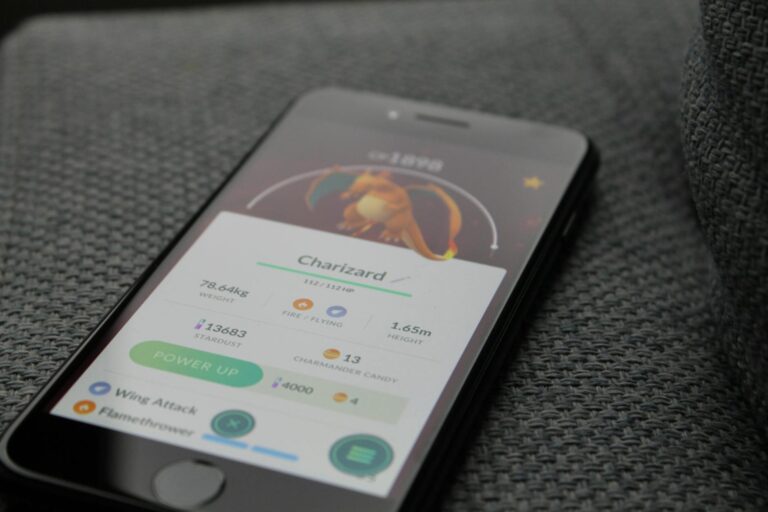
Pokémon cards flip the script. They are not just paper; rare ones from the 1990s or special prints can sell for huge sums. Take a pristine first-edition Charizard. It has fetched prices up to $2 million at auction, putting it in the same league as top bullion holdings.[1] Investors now use apps to watch card prices tick up in real time, just like stock tickers. The market is booming too, with grading services handling 92,000 cards a day as collectors rush to certify their hauls.[2] Trading card games like Pokémon outpace even sports cards in volume, showing real demand from a new generation of buyers.
So, do they compete? In some ways, yes. Both are physical assets you can hold, store in a safe, and sell for profit. Pokémon cards have beaten bullion’s returns in hot streaks. While gold gained about 20% last year, top Pokémon cards doubled or tripled in value during hype cycles around new sets or anniversaries. They also offer fun factor, which bullion lacks, drawing in younger investors who skip traditional metals.
But head-to-head, cards fall short on stability. Bullion prices are predictable, backed by centuries of history and daily global trades. Pokémon values swing wildly with trends, celebrity flips, or fads. A card worth $10,000 today might drop if supply floods the market from reprints or economic slumps cut collector spending. Liquidity is another gap; you can sell gold to any dealer worldwide, but high-end Pokémon cards need niche buyers at shows or online auctions.
Experts in alternative investments see Pokémon cards as a side bet, not a bullion replacement.[1] They shine in podcasts like Money Rehab, where hosts compare them to crypto or sports memorabilia, but always with a risk warning. For everyday trackers, cards compete by offering high-upside thrills in a small portfolio slice, say 5-10%, while bullion anchors the rest.
Prices on PokémonPricing.com tell the story daily. Watch a PSA 10 Base Set holographic climb during a Pokémon Go revival, and it feels like gold fever. Yet when markets cool, bullion sits pretty while cards wait for the next boom. Both have a place, but cards chase excitement where bullion guards the fort.