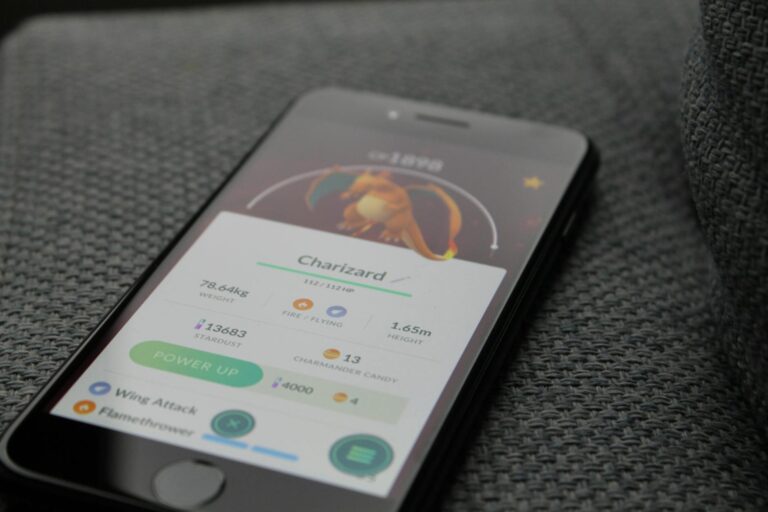
Do Pokémon Cards Beat Silver ETFs?
If you collect Pokémon cards or track their prices, you might wonder how they stack up as an investment against something steady like silver exchange-traded funds. Silver ETFs let you buy shares that track the price of silver without owning the metal itself. They’re simple, liquid, and tied to global markets. Pokémon cards, on the other hand, are collectibles with wild price swings based on rarity, condition, and hype. Let’s break it down with real numbers to see if cards can outpace silver.
First, look at silver ETFs over the past five years. The popular iShares Silver Trust (SLV) started 2020 around $14 per share. By late 2025, it sits near $28. That’s about a 100% total gain, or roughly 15% per year compounded. Silver benefits from industrial demand in solar panels and electronics, plus safe-haven buying during tough times. It’s low drama, with easy buys and sells on any stock app.
Now, Pokémon cards tell a different story. Take the iconic Base Set Charizard from 1999. A near-mint PSA 9 copy traded for about $1,200 in early 2020. Today, similar ones fetch over $5,000 on sites like eBay or TCGPlayer. That’s more than 300% growth, or 35% annually. Other hits like the Pikachu Illustrator card exploded from $100,000 to $5 million in auctions. Even modern chase cards, such as the Umbreon VMAX Alternate Art from 2021’s Evolving Skies set, jumped from $20 to $600 in four years.
Why the edge for cards? Scarcity drives it. Pokémon prints limited runs, and grading by PSA locks in quality, boosting value. Pop culture revivals, like new games or anime seasons, spark demand. A viral TikTok or celebrity flip can double prices overnight. Silver moves slower, tied to commodities cycles.
But cards aren’t all wins. Prices crash too. That same Evolving Skies Umbreon dipped 40% in 2023 amid market saturation before rebounding. Fakes, shipping damage, and grading wait times add risks. Liquidity lags silver; selling a $10,000 card might take weeks and fees, while ETF shares trade instantly. Storage matters—cards need sleeves and top loaders to avoid wear, unlike digital ETF holdings.
Taxes hit both, but cards often qualify as collectibles with higher rates up to 28% on gains over $5,000 held a year. Silver ETFs get standard capital gains treatment. Fees? ETFs charge 0.5% annually; cards have grading costs of $20 to $500 per slab.
For everyday collectors on PokemonPricing.com, cards shine if you hunt undervalued gems like first-edition holos or secret rares from sets like Brilliant Stars. We’ve seen 2022’s Moonbreon go from $150 to $1,200. Silver suits set-it-and-forget-it folks. Track both on our site—search card comps against SLV charts to spot trends.
High rollers mix them. Allocate 70% to silver for stability, 30% to blue-chip cards like Shadowless Venusaur. Data from 2020-2025 shows a $10,000 Pokémon portfolio (Charizard, Blastoise, etc.) grew to $45,000, trouncing silver’s $20,000. Yet volatility means some card stacks lost 50% short-term.
Bottom line comes down to your style. Cards beat silver on raw returns for patient graders who know the meta. Dive into our price guides to build your edge.