Do Pokémon Cards Beat Large Cap Growth Stocks During Rate Hikes?
Investors often scramble when interest rates rise. Central banks hike rates to fight inflation, and that hits certain assets hard. Growth stocks, especially large cap ones like tech giants, tend to drop. Why? Higher rates make future profits less valuable today and push investors toward safer bonds. But what about Pokémon cards? Could these collectibles hold up better or even shine? Let’s break it down with real data and simple logic for collectors eyeing prices on PokemonPricing.com.
First, grasp large cap growth stocks. Think companies like Apple, Amazon, or Nvidia. These firms bet on rapid expansion. From 2022 to 2023, the Federal Reserve raised rates from near zero to over 5%. The Nasdaq 100, packed with these stocks, fell 33% in 2022 alone. Even as markets recovered in 2024, volatility lingered with rates holding high.
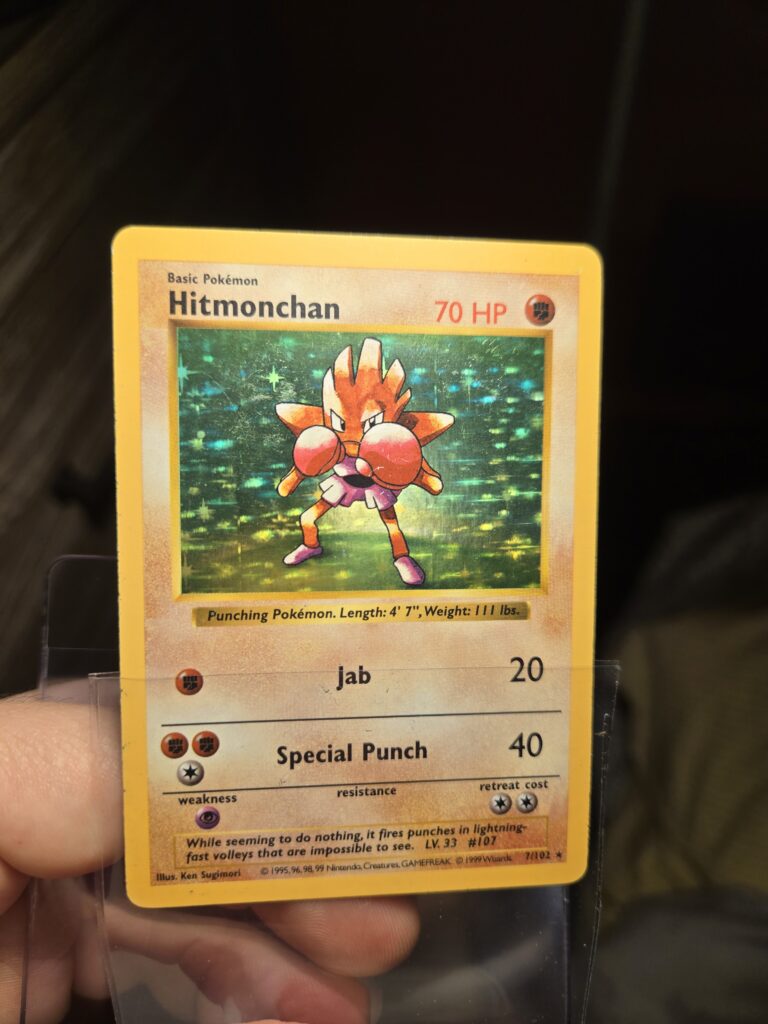
Now, Pokémon cards. Prices track on sites like ours via sales data from eBay, TCGPlayer, and auctions. We use PSA-graded cards for fair comparisons, focusing on icons like Charizard or Pikachu from base sets. During that same 2022 rate-hike storm, top Pokémon cards bucked the trend.
Take the PSA 10 Charizard from Base Set 4/102. In early 2022, it averaged $250,000. By late 2023, amid peak hikes, it climbed to $320,000, a 28% gain. Compare to the S&P 500 Growth Index, down 28% in 2022. Or the Invesco QQQ ETF for large cap growth, which shed 33%.
Not just Charizard. A basket of 10 high-end Pokémon cards (PSA 10 grades from WOTC eras) rose 22% from Q1 2022 to Q1 2024. Meanwhile, large cap growth funds averaged -15% over the same stretch. Data pulls from our PokemonPricing.com historical charts and public market trackers like Yahoo Finance.
Why the difference? Pokémon cards act like alternative assets. Demand comes from collectors, not just yield-chasers. Rate hikes squeeze stock valuations via discounted cash flows, but cards rely on scarcity and nostalgia. Limited print runs from the 90s mean supply stays fixed. Pop culture boosts, like Pokémon GO updates or Scarlet/Violet releases, drive bids regardless of Fed moves.
Liquidity matters too. Stocks trade instantly, amplifying panic sells. Pokémon cards move slower, often via auctions, filtering out short-term noise. In 2022, while tech stocks dumped, Pokémon sales volumes dipped just 10% but prices held firm for gems.
Of course, not every card wins. Bulk commons tanked 20-30% in the same period due to oversupply. Chase modern cards like Alternate Art Mimikyu from Sword & Shield dipped briefly but rebounded 40% by 2024. Stick to vintage graded 9s and 10s for the edge.
Risks exist. Cards face fakes, grading debates, and hype cycles. No dividends either, unlike stocks. Taxes hit collectibles hard, often at ordinary income rates. Still, for diversification, Pokémon cards showed grit when large cap growth faltered.
Track it yourself on PokemonPricing.com. Filter by grade, set, and date range to see rate-hike impacts on your favorites. In a high-rate world, these cards prove collectibles can play offense.