Do Pokémon Cards Beat Cash in Real Terms?
If you stash your money under the mattress as plain cash, it loses buying power over time thanks to inflation. Pokémon cards, on the other hand, have shown strong growth that often outpaces that drop, especially for top picks like vintage icons or graded gems.[2] Cash in a basic savings account might earn 1-2% a year after inflation eats it away, but select Pokémon cards have delivered massive real returns, like 3,821% since 2004 according to market data, blowing past stock indexes like the S&P 500.[2]
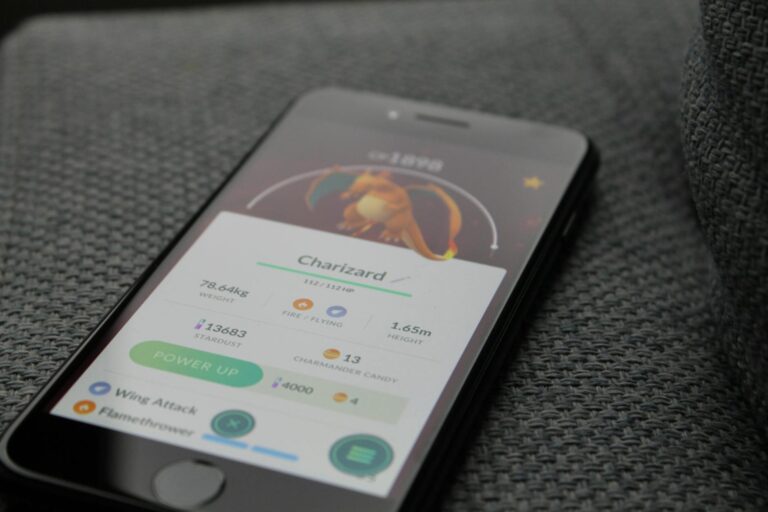
Real terms means adjusting for inflation so you see true growth in what your money can buy. Pokémon’s trading card market hit $7.51 billion globally in 2025, growing at 7.9% a year, fueled by steady collector demand.[2] Blue-chip cards, think PSA 10 Base Set Charizard or first-edition holos, act like cultural treasures with fixed supply and rising nostalgia value. They are not tied to player injuries or short-term hype like sports cards, making them more stable long-term.[2]
Look at the numbers across card types. Raw singles can flip fast with 20-100% returns in 12 months, but they swing wild on reprints or meta changes, like Pikachu ex dropping 26%.[1] Slabs, or graded PSA 10 cards, lock in condition and boost value 2-4 times, with 40-120% ROI on higher-end raw cards over a year; low-pop modern chases like Mega Lucario ex SIR jumped 60% year-over-year.[1] Sealed products shine too, with booster boxes like Obsidian Flames up 30% and elite tins soaring 400%.[1]
Liquidity keeps Pokémon ahead of cash hoards. A $5,000 PSA 10 Charizard sells in minutes on global sites, while cash just sits there eroding.[2] Modern sets bring volatility in top singles, where total value for Sword & Shield era chases hovered around $13,600 recently, dipping to March 2025 lows but with history of 60-day explosions.[3] Graded chase cards versus sealed promo boxes split opinions, but both hold long-term promise if you pick icons over fads.[5]
Cash feels safe but delivers near-zero real gains amid rising prices. Pokémon cards reward patience with collectors: target low-entry slabs or sealed from proven sets, avoid pack-pulling traps where 95% lose money, and watch for vintage or low-pop moderns that preserve value better than bank notes.[1][2]