Yes, people generally collect more as they age, but the reasons why shift dramatically over the decades. Younger collectors often accumulate cards through pack openings and trades driven by the thrill of discovery, while older collectors tend to acquire fewer but more valuable pieces with focused intention. A 35-year-old returning to Pokemon cards after a fifteen-year hiatus typically does not buy booster boxes hoping for pulls””they research specific cards, set price alerts, and wait for the right moment to acquire exactly what they want. The total number of cards in their collection may grow more slowly than a teenager ripping packs every weekend, but the overall value often increases faster.
The relationship between age and collecting intensity is more nuanced than simple accumulation. Data from hobby market research suggests that collectors between 35 and 55 spend the most money on collectibles, though collectors under 25 may own more individual items. This distinction matters for understanding both collecting psychology and market dynamics. This article explores why collecting habits change with age, how disposable income affects acquisition patterns, the role of nostalgia in driving adult collectors back to Pokemon cards, and practical considerations for collectors at different life stages.
Table of Contents
- Why Do Collecting Habits Change as People Get Older?
- How Disposable Income Affects Pokemon Card Collecting by Age Group
- The Nostalgia Factor in Adult Pokemon Card Collecting
- Should Older Collectors Focus on Quality Over Quantity?
- Common Challenges for Collectors Returning to the Hobby After Years Away
- How Life Events Influence Collecting Patterns Across Decades
- What Does the Future Hold for Aging Pokemon Collectors?
- Conclusion
Why Do Collecting Habits Change as People Get Older?
collecting behavior evolves because the underlying motivations transform with life experience. Children and teenagers collect for social connection and immediate gratification””trading cards at school, competing to complete sets, and enjoying the randomness of pack openings. A twelve-year-old measures collection success by how many holofoils they own or whether they pulled a rare card their friends wanted. The collection grows quickly but often lacks focus, accumulating commons and bulk alongside the occasional valuable pull. Adults approach collecting differently because their relationship with time and money has fundamentally changed. A 40-year-old collector recognizes that buying singles outright costs less than gambling on pack odds, and they have developed the patience to hunt for specific cards rather than accepting whatever randomness provides.
They may add only a dozen cards per year to their collection, but each addition fills a specific gap or represents a deliberate choice. This targeted approach often produces collections that grow in value more consistently, even if the physical card count increases slowly. The shift also reflects changing storage constraints and life circumstances. Younger collectors living with parents can maintain sprawling collections without worrying about space. Adults navigating apartments, mortgages, and family obligations often cannot dedicate entire rooms to their hobby. This practical limitation forces a quality-over-quantity approach that fundamentally changes how collections grow over time.

How Disposable Income Affects Pokemon Card Collecting by Age Group
The financial capacity to collect varies enormously across life stages, creating distinct acquisition patterns. Collectors in their early twenties often have limited budgets despite strong interest, leading to selective purchasing and heavy reliance on trades. A college student might spend months saving for a single graded Charizard while a middle-aged professional buys the same card impulsively after a quarterly bonus. This financial asymmetry shapes not just what people collect but how quickly their collections expand. peak earning years between 35 and 55 coincide with peak spending on collectibles across nearly every hobby segment. Pokemon card collectors in this demographic drive much of the high-end market, purchasing graded vintage cards, sealed vintage products, and complete sets that younger collectors cannot afford.
However, income alone does not determine collecting behavior. A high-earning 45-year-old with three children, a mortgage, and retirement contributions may have less discretionary spending than a single 30-year-old earning half as much. Life circumstances filter income into actual hobby budgets in ways that simple age-income correlations miss. The 2020-2021 Pokemon card boom illustrated these dynamics clearly. Stimulus checks combined with pandemic boredom brought collectors of all ages into the market, but the sustained high-end purchasing came predominantly from established professionals in their thirties and forties who could absorb $500-plus purchases without financial strain. When the market cooled, these older collectors continued buying while many younger collectors who had overextended retreated from the hobby entirely.
The Nostalgia Factor in Adult Pokemon Card Collecting
Nostalgia functions as perhaps the most powerful driver bringing adults back to Pokemon card collecting, and its influence intensifies rather than diminishes with age. The original Base Set released in 1999 created emotional imprints on children who are now approaching forty. When these adults encounter a Jungle Flareon or a Fossil Articuno, they are not just seeing cardboard””they are reconnecting with childhood friendships, Saturday morning cartoons, and a simpler time before adult responsibilities. This emotional connection translates directly into purchasing behavior. A 38-year-old who collected during the original release will pay premium prices for the exact cards they remember wanting as children, even when objectively comparable alternatives exist at lower prices.
Someone who desperately wanted a First Edition Blastoise in 1999 but could never afford one might finally purchase that specific card thirty years later, regardless of whether it represents the best value in the current market. Nostalgia overrides pure market logic. The nostalgia effect creates interesting market dynamics as different generational cohorts age into peak earning years. Cards from the EX era (2003-2007) are beginning to appreciate as collectors who grew up with those sets reach their early thirties. Collectors should recognize that their own nostalgia-driven purchases may not align with broader market trends””a card deeply meaningful to your childhood experience may not hold the same emotional weight for younger collectors who will eventually comprise the buyer pool when you sell.
Should Older Collectors Focus on Quality Over Quantity?
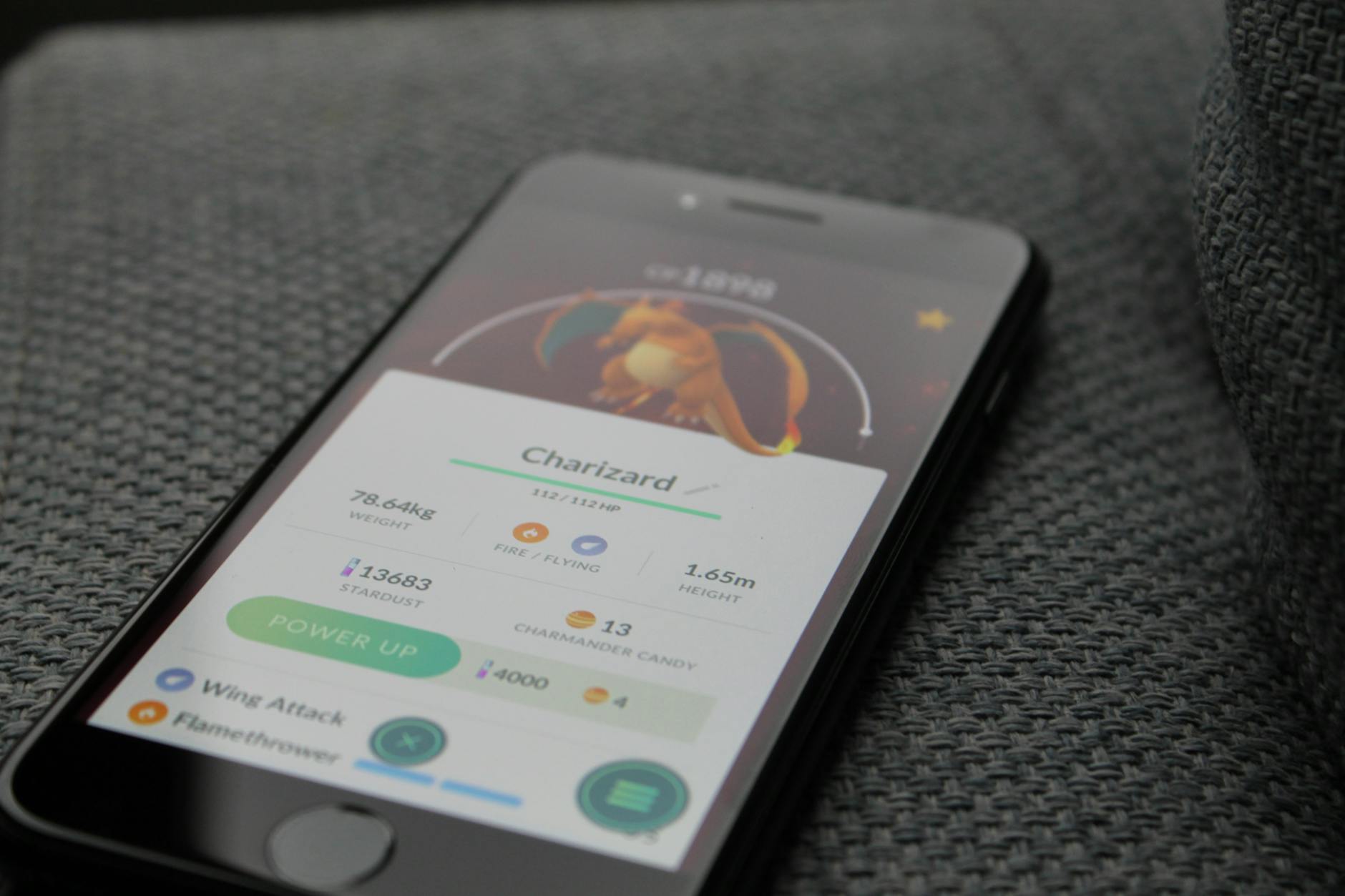
The quality-over-quantity approach makes sense for most adult collectors, but the optimal strategy depends on individual goals and circumstances. Collectors building generational wealth or investment portfolios benefit from concentrated holdings in high-grade vintage cards with strong provenance. A collection of twenty PSA 10 first edition holofoils will likely outperform a collection of two thousand ungraded cards from modern sets in both value retention and appreciation potential. Storage, insurance, and maintenance costs also favor fewer high-value items over extensive bulk holdings. However, quantity strategies suit certain collector profiles better.
Set completionists derive satisfaction from filling every slot in a binder, and this pursuit necessarily involves acquiring hundreds or thousands of individual cards regardless of value. Someone collecting every English Pikachu variant printed across all sets cannot achieve their goal through quality concentration alone. The tradeoff is accepting that most individual cards will never appreciate significantly while the complete set may hold interest to future collectors. Hybrid approaches work well for collectors who want both investment potential and the tactile pleasure of opening products. Maintaining a core collection of high-grade vintage alongside a “fun money” budget for modern set boxes allows participation in both aspects of the hobby. The key is honesty about which purchases serve which purpose and not expecting appreciation from cards bought purely for entertainment value.
Common Challenges for Collectors Returning to the Hobby After Years Away
Returning collectors face a market that has changed dramatically since their childhood or previous collecting period. Grading has transformed from an optional luxury to a near-requirement for high-value sales. What once sold as “near mint” on eBay now requires a PSA 9 or 10 slab to command premium prices. Collectors who left the hobby before the grading explosion often possess ungraded cards that they remember as valuable but that now sell for a fraction of graded equivalents. Authentication has become essential as the counterfeit market has grown more sophisticated. The most dangerous period for returning collectors is the early re-entry phase when enthusiasm runs high but market knowledge remains outdated.
Stories abound of adults spending significant sums on childhood dream cards only to discover they purchased convincing fakes. The warning here is direct: do not make major purchases until you have spent at least several months relearning the market, authentication markers, and current pricing realities. Storage and preservation standards have also evolved. Cards that older collectors stored in shoeboxes or rubber-banded stacks often show damage that was once considered minor but now significantly affects value. A returning collector’s childhood collection may be worth far less than nostalgic memory suggests, particularly for cards stored without penny sleeves, top loaders, or climate control. Setting realistic expectations about existing holdings helps avoid disappointment and allows for clearer planning going forward.
How Life Events Influence Collecting Patterns Across Decades
Major life transitions create predictable collecting patterns that most hobbyists will experience. Marriage frequently triggers collection consolidation as two people merge households and negotiate space allocation. The collector who maintained three binders of complete sets may find themselves condensing to highlight collections. Having children often pauses active collecting entirely for several years as time and money redirect toward family needs.
These interruptions can actually benefit long-term collection value. A collector who stopped buying between 2005 and 2015 missed the market bottom but also avoided overpaying during various hype cycles. When they return, they bring fresh perspective and decade-old cards that have quietly appreciated. Many of the most valuable collections belong to people who collected intensely during one era, stored their cards properly through years of inactivity, and returned to find their holdings worth multiples of their original investment.
What Does the Future Hold for Aging Pokemon Collectors?
The original Pokemon generation is now entering their forties, with the oldest approaching fifty within the next decade. This demographic shift will influence the vintage market significantly as this cohort moves through peak earning years and eventually into retirement. Demand for Base Set through Neo era cards should remain strong while this generation maintains active collecting interest, but questions emerge about the market twenty or thirty years from now when these collectors begin downsizing or passing away.
Younger collectors today may inherit substantial Pokemon card collections from parents and grandparents, creating a generational transfer unprecedented in the hobby’s relatively short history. Whether these inheritors maintain the collections, sell them, or discard them as unimportant relics will shape market dynamics in ways that cannot be predicted with certainty. Collectors building valuable portfolios should consider estate planning, documentation, and family education about their holdings.
Conclusion
Collecting patterns definitively change with age, though not always in the direction of simple accumulation. Adults typically collect more strategically than children, prioritizing specific cards over random acquisition, and their collections often grow in value faster than in pure card count. The combination of higher disposable income, nostalgia-driven demand, and refined taste produces collectors who add deliberately rather than impulsively.
Understanding your own position in the collecting lifecycle helps make better decisions about acquisitions, storage, and long-term planning. Younger collectors should recognize that their approach will likely evolve as circumstances change, while older collectors can leverage their advantages in capital and patience to build focused collections. The hobby has room for every approach, but clarity about your goals and constraints at each life stage produces more satisfying results than fighting against the natural evolution of collecting behavior.