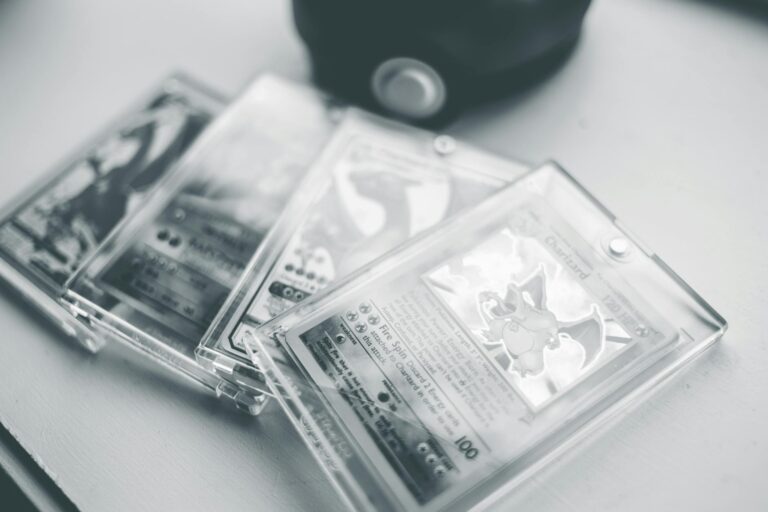
Do 4th print boxes for Pokémon cards have the 1999-2000 copyright on the bottom? Yes, the 4th print run of the Base Set, released only in the UK during 1999-2000, features cards with a corrected copyright date of 1999-2000 printed on them, and collectors often check the bottom of card boxes or the cards themselves from that specific print to confirm this detail.[1]
Let’s dive deep into this topic, starting from the basics of what Pokémon cards are and how printing works, then zooming in on those special 4th print boxes and their copyright marks. Pokémon cards exploded in popularity in the late 1990s as part of a huge franchise that began with video games in Japan. The trading card game, launched in 1996, quickly became a worldwide hit, with kids and adults alike chasing rare cards like holographic Charizards. Wizards of the Coast, the company behind Magic: The Gathering, handled the English prints starting with the Base Set in 1999. Prints of these sets weren’t all the same—printers made multiple runs to meet demand, and each run could have tiny differences, called print errors or corrections, especially noticeable on the bottom of the cards where copyright info sits.[1]
Picture a Pokémon card: on the bottom edge, right under the artwork and text, there’s usually a line like “©1999 Wizards of the Coast” or something similar. For early prints, this was just “©1999,” but as time went on and print runs updated, it changed to “©1999-2000” to reflect the ongoing production into the year 2000. The 4th print run stands out because it was made exclusively for the UK market in 1999-2000, and it fixed several mistakes from earlier versions. Collectors love these because they’re scarcer outside the UK and mark a shift in quality control.[1]
Why does the copyright matter so much? It helps spot which print run a card came from. First prints, called 1st Edition, have a special stamp and often “Shadowless” versions without drop shadows on the art. Unlimited prints followed, and then regional ones like the UK 4th print. On the bottom of cards from this 4th print, you’ll see that clear “1999-2000” copyright, which corrected issues like misprinted dates on earlier cards. For example, take the Vulpix card from the Base Set. In 1st Edition, Shadowless, and most unlimited prints, it says “HP 50” instead of the right way, “50 HP.” But in the UK 4th print boxes, this gets fixed—check the bottom, and it’s properly “50 HP” with the 1999-2000 copyright.[1]
Now, about the boxes themselves. Pokémon card boxes, like the ones holding 60-card expansion packs or starter decks from the Base Set, have printing on the bottom too. These boxes match the cards inside them. For the 4th print run shipped to the UK, the boxes typically show production details tying back to 1999-2000, including copyright lines that align with the cards. Collectors open old boxes carefully to verify: if the cards inside have the 1999-2000 bottom copyright and UK-specific fixes, it’s a genuine 4th print box. These aren’t common in the US or elsewhere because Wizards focused that run on Europe to catch up with demand there.[1]
Errors galore in earlier prints make the 4th print special. In Team Rocket sets, for instance, Dark Arbok cards—both holofoil and rare versions in 1st and Normal Editions—had a wild goof: the copyright read “©1999-23000 Wizards” because a “3” got jammed in there by mistake. The 4th print boxes avoided this, sticking to the clean 1999-2000. Similarly, Gyarados had low black ink or gray prints, and some unlimited cards showed a red dot under the “96” in the copyright line on the bottom. UK 4th prints cleaned these up.[1]
Yellow shifts hit UK 1999-2000 prints hard—commons like certain Pokémon had yellow ink sliding right and down, making them look wonky. But the 4th print boxes contained versions where this was minimized or fixed. Another quirk: “Monster Ball” instead of “Poké Ball” on some cards got swapped out in unlimited prints, and the 4th run nailed it with the updated copyright on the bottom.[1]
Front stamp errors on 1st Editions involved blurry 1st Edition stamps transferring ink weirdly, separate from back stamps. Gray stamps appeared on commons and uncommons, and some 1st Edition commons had inverted backs—printed upside down because a whole sheet got flipped. The 4th print, packed in those UK boxes, dodged most of this mess, with the reliable 1999-2000 bottom marking as proof.[1]
How do you tell if your box is a true 4th print? Start with the cards inside. Pull a Vulpix or check the copyright line on any Base Set card—1999-2000 means it’s likely 4th print. Boxes might have UK distributor marks or Wizards’ late-1999 codes on the bottom, but the cards are the real tell. These boxes aren’t sealed forever; many got opened back then, so sealed ones are ultra-rare today. Prices skyrocket for confirmed 4th print contents—think hundreds or thousands for a box with verified cards.[1]
The franchise’s history ties into why prints varied. Pokémon started with games copyrighted in 1995, even though they launched in 1996. Nintendo, Game Freak, and Creatures shared ownership, leading to tight control over merch like cards. By 1999, Wizards printed millions, but regional demands meant unique runs like the UK 4th.[2]
Dark Dragonite holofoils had off-center attack symbols, fixed later. Inverted backs and misaligned prints plagued early sheets, but 4th print boxes from 1999-2000 UK runs show Wizards got better at it. Thick full circles or hearts on error cards fade, but desirable ones stay bold—check bottoms for the date.[1]
Booster boxes for Jungle or Fossil sets sometimes mixed prints, but Base Set 4th is purest in UK boxes. Collectors debate if every card in a 4th box has the date—most do, but watch for hybrids. Gray print Gyarados or red-dot borders pop up less in these.[1]
Uncorrected errors lingered, like HP misprints beyond Vulpix, but 4th prints targeted fixes. UK Yellow Shifts make some cards glow oddly, a fun error unique to 1999-2000 prints.[1]
Owning a 4th print box feels like holding history. Open it, scan the bottoms: 1999-2000 confirms the treasure. From blurry stamps to perfect copyrights, these boxes tell the story of Pokémon’s print evolution. Dive into collections, compare with friends, and you’ll spot them every time.[1]