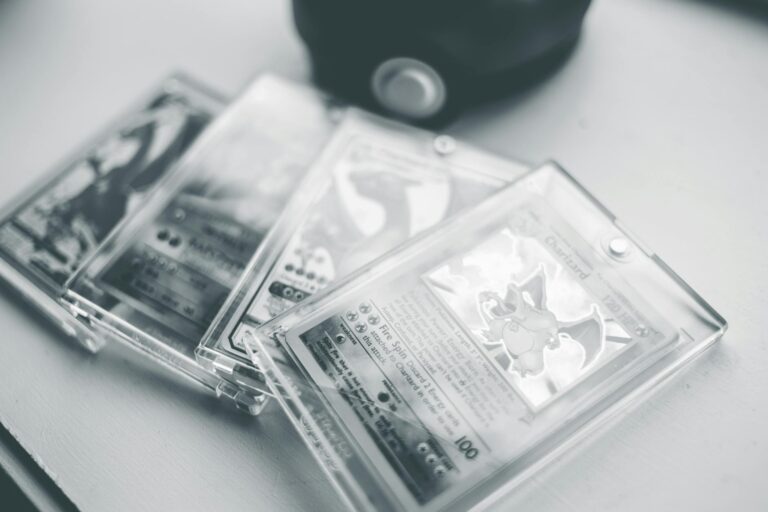
Did Wizards of the Coast print the fourth run of Magic: The Gathering’s Fourth Edition intentionally? No, they did not. What many collectors call the “4th run” or “fourth printing” of Fourth Edition was actually an unintended overrun produced by the printing company Carta Mundi, and Wizards took steps to minimize its release after discovering the excess stock.
To understand this story, we need to step back to the early days of Magic: The Gathering, a trading card game that exploded in popularity starting in 1993. Wizards of the Coast, a small company from Seattle, created the game, and by 1995, they were dealing with massive demand. Fourth Edition, released that same year, was one of their core sets—a big reprint of the most popular cards from earlier expansions like Revised Edition. It came in boxes with boosters, and Wizards wanted to make sure stores had enough to sell without running out like they had before.
Printing cards back then wasn’t like today with digital controls everywhere. Wizards outsourced the job to Carta Mundi, a Belgian company that specialized in card manufacturing. They would order a specific number of sheets—huge sheets that got cut into individual cards later. For Fourth Edition, Wizards planned three main print runs to meet demand. These runs had subtle differences collectors spot today, like changes in the copyright line on the cards (early runs said “© 1995 Wizards” while later ones updated it) or slight color shifts in the card frames. But the so-called fourth run? That’s where things went sideways.
Here’s what happened: Carta Mundi kept the printing presses running past the approved third run. They produced an extra batch—estimates from collectors and old articles put it around 10-20% more than ordered, though exact numbers are fuzzy because Wizards never officially confirmed them. This overrun happened because of communication slips or production momentum; factories don’t stop on a dime, and someone misread the cutoff. By the time Wizards found out, the extra sheets were already cut into cards and boxed up, sitting in warehouses.
Wizards was furious. They had learned hard lessons from their previous set, Fallen Empires, which they overprinted massively in 1994. That set flooded the market—too many commons and uncommons, not enough rares—which tanked prices and upset stores and players. By late 1995, Wizards was even quoted in their own magazine, The Duelist, admitting the Fallen Empires mess was a huge mistake. Retailers like Glenn Godard from New Mexico called it the “single most important event” in trading card games that year, blaming it for market chaos. Wizards ordered Carta Mundi to halt production on Fallen Empires extras, destroy stockpiles, and even canceled two more planned runs to shift resources to Revised Edition instead.
They applied the same fix to Fourth Edition’s overrun. Wizards instructed Carta Mundi to destroy as much of the fourth run as possible. But some slipped through—maybe a few thousand boosters worth—before the order stuck. These cards ended up in stores mixed with legit third-run stock, or sold in starter decks and such. That’s why you can still find them today: cards with a very late copyright date, like “© 1996 Wizards of the Coast, Inc.,” or other tells like brighter colors or specific misprints tied to that batch.
Were there misprints in this fourth run? Plenty. Early Magic printings were full of errors because quality control was rough. Take the German “Heer der geplagten Skelette,” which is Drudge Skeletons but with the art and frame from a Swamp card—swampy green background, skeleton nowhere in sight. Or the famous Blue Hurricane from a related scrapped print called Summer Magic, which had a blue border on a card that should be black-bordered; only a tiny number escaped destruction, making it one of the priciest errors ever. The fourth run Fourth Edition cards often show up with these quirks, like off-center text or color bleeds, fueling rumors Wizards did it on purpose for rarity.
But intentional? Hard no. Wizards wanted controlled scarcity to keep values stable—overprinting killed that, as Fallen Empires proved. They scrapped licenses and runs to avoid repeats. Collectors debate if every fourth-run card is “real” or a fake, but vintage sellers and sites like CoolStuffInc confirm these are genuine overruns, not counterfeits. Wizards never announced it as a special edition; no marketing, no hype. Compare to intentional limited prints like Collectors’ Edition in 1993—just 10,000 U.S. sets and 5,000 international with gold borders, clearly labeled and sold at a premium. Fourth Edition’s fourth run hid in plain sight, unwanted.
Why does this matter to players today? Magic’s secondary market thrives on rarity. A confirmed fourth-run Ball Lightning or Serra Angel can fetch hundreds because supply is tiny—far less than the millions from earlier runs. Graders like PSA slab them, and prices spike. But fakes exist too; savvy buyers check the copyright, holofoil patterns (fourth run holos are shinier), and weight (overruns sometimes used thicker stock). Wizards moved on—by D&D Fourth Edition era (2008-2013), they supported other lines like Dragonlance minimally, but Magic printing got tighter with better tech.
The myth persists online: some say Wizards secretly released it to create “chase” cards, boosting hype. Nope. Evidence from Wizards’ own admissions, retailer backlash, and printing logs points to accident. They even mixed up sheets for starter decks, creating “Wyvern-backs”—Magic fronts on wrong cardstock backs—another oops fixed by pulling product. If intentional, why destroy most of it? Why no press release?
Dig deeper into Magic history, and you see Wizards growing pains. From tiny indie to giant after buying TSR in 1997 (TSR made Dragonlance, which had its own print dramas—minimum 50,000 copies ordered, then rushed more for demand). Magic funded it all. Fourth Edition sold well despite the overrun hiccup, paving way for sets like Ice Age. But that extra run scarred the company—led to stricter orders, better oversight.
Spotting a fourth run card yourself? Look for the telltale signs. The copyright reads “© 1996 Wizards of the Coast, Inc.” on the bottom, unlike third run’s “© 1995.” Colors pop more vividly—reds deeper, blues sharper—because Carta Mundi tweaked ink late in production. Rares have crisp holos without bubbling. Commons feel slightly heavier. No “4th printing” stamp; it’s stealthy.
Players swapped stories in ’90s tournaments: “Got a fourth-run Shivan Dragon from a bulk bin—pure luck.” Stores dumped them cheap to clear space, unaware at first. Wizards reps visited shops, buying back what they could. One legend: a jigsaw puzzle mailed to employees saying “Empires fall, but tides rise”—a dig at Fallen Empires, hinting at print woes.
Today, with Magic booming on Arena and Historic format reprinting oldies legally, physical vintage matters less for play, more for nostalgia. But the fourth run reminds us: even giants mess u