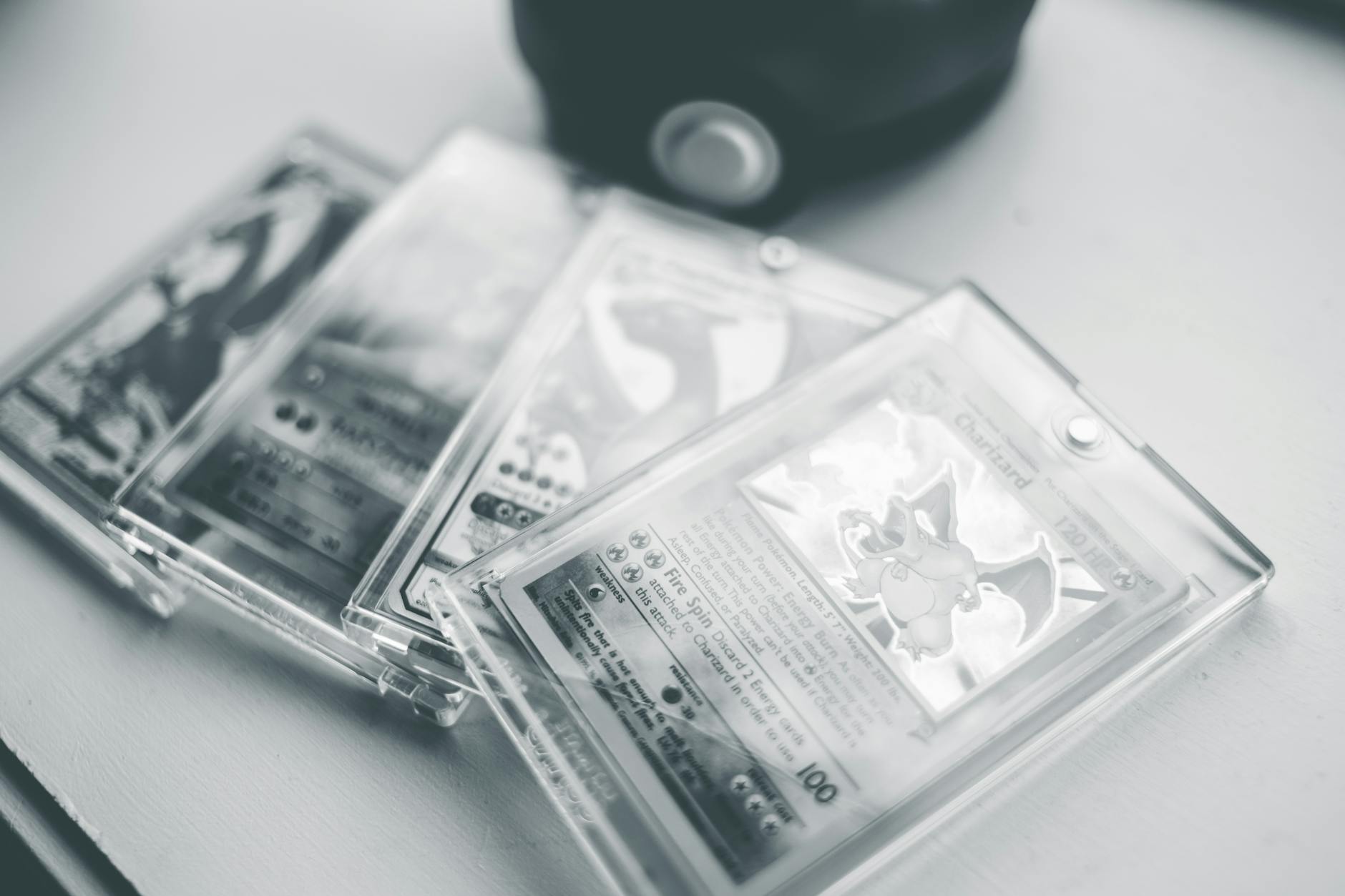
Vintage Pokemon cards””specifically those from the original Base Set, Jungle, Fossil, and Neo Series””have crossed the threshold from nostalgic collectibles into legitimate alternative asset territory. The distinction matters: these early sets benefit from genuinely fixed supply (no more are being printed, ever), consistent long-term appreciation with compound annual growth rates between 30-40%, and institutional recognition that has placed Pokemon at the top of graded card submissions. Modern cards, by contrast, remain highly speculative plays subject to massive print runs and flipper-driven volatility. If you own a PSA 10 Base Set Charizard, you hold something closer to a rare asset. If you’re sitting on cases of Journey Together ETBs hoping for a quick flip, you’re gambling.
The numbers support this division clearly. Original Base Set prices nearly doubled from $12.80 in June 2023 to $25.26 in June 2025, while modern Sword & Shield-era cards experienced an average 15% correction after March 2025. By November 2025, 73 out of 80 cards tracked in the Vintage Index had risen in value””demonstrating the kind of steady appreciation you expect from assets, not speculation. This article examines why vintage cards have earned their asset status, where the speculative risks still exist, and how collectors should approach the market heading into Pokemon’s 30th anniversary in February 2026. The following sections break down the market data, explain the critical differences between vintage and modern cards, outline the warning signs of speculative behavior, and provide practical guidance for collectors trying to decide whether their cardboard belongs in a binder or a portfolio.
Table of Contents
- What Makes Vintage Pokemon Cards Behave Like Assets?
- The 2025 Market Correction Explained
- Why Modern Pokemon Cards Remain Speculative
- The 30th Anniversary Factor: Opportunity and Risk
- Portfolio Allocation: How Much Is Too Much?
- Grading and Authentication as Value Drivers
- Long-Term Outlook: Sustainability and Risks
- Conclusion
What Makes Vintage Pokemon Cards Behave Like Assets?
The fundamental characteristic separating assets from speculation is scarcity combined with sustained demand. Vintage pokemon cards check both boxes. The Pokemon Company will never print another 1999 Base Set Charizard. Every card from that era that gets damaged, lost, or degraded to a lower grade effectively reduces the available supply of high-quality specimens. Meanwhile, demand continues growing as millennials who grew up with the franchise reach peak earning years and new generations discover the property through games, shows, and the broader cultural moment.
This scarcity manifests dramatically in grading data. Pokemon accounted for 97 of the top 100 cards submitted to PSA in the first half of 2025″”a staggering concentration that reflects both collector confidence and the premium placed on authenticated vintage cards. A PSA 10 graded vintage card commands 2-5 times the price of its raw equivalent, with the Base Set Charizard PSA 10 holding steady above $420,000. These price points and premiums mirror behaviors seen in traditional alternative assets like rare art or vintage automobiles, where authentication and condition dramatically affect value. Compare this to traditional equity markets: since 2004, vintage Pokemon cards have returned approximately 3,800% compared to the S&P 500’s 483%. While past performance never guarantees future results, two decades of data suggests something more substantial than a speculative bubble.

The 2025 Market Correction Explained
The Pokemon card market did experience significant turbulence in 2025, but understanding what corrected””and what didn’t””reveals the asset versus speculation divide. Modern cards took the hit. Sword & Shield-era cards dropped an average of 15% after peaking in March 2025, with some Illustration Rares falling 20%. Sealed product speculation collapsed even harder: Journey Together Elite Trainer Boxes crashed from $150 to $85, and Surging Sparks Bundles fell from $52 to $37, representing a 28% average decline. Vintage cards largely avoided this correction. The Vintage Index showed 73 of 80 tracked cards rising through November 2025 despite broader market uncertainty.
This divergence occurred because vintage and modern cards operate in fundamentally different markets. Modern cards suffer from oversupply””The Pokemon Company printed 10.2 billion cards in 2025 alone””while vintage supply remains permanently fixed. When speculative fever breaks, modern cards have nothing supporting their prices except hope for future scarcity that may never materialize. However, vintage cards are not immune to broader market corrections. Economic downturns, changes in collector demographics, or shifts in cultural relevance could all impact values. The 2025 correction, which analysts characterize as a market correction rather than a crash, historically lasts 6-18 months in the Pokemon market, followed by 2-3 year recovery periods. Collectors should understand that even assets experience volatility””the difference is that assets tend to recover while speculative instruments often don’t.
Why Modern Pokemon Cards Remain Speculative
The modern Pokemon card market exhibits classic speculative characteristics: oversupply, flipper domination, and price movements driven by sentiment rather than fundamentals. Over 80% of recent sales have been driven by speculators chasing quick profits rather than collectors seeking long-term holdings. This creates a market where prices reflect what the next buyer might pay rather than any intrinsic or scarcity-based value. The Pokemon Company’s production numbers illustrate the supply problem. Even with the reduction from 11.9 billion cards in 2024 to 10.2 billion in 2025, the sheer volume ensures that most modern cards will never achieve meaningful scarcity.
When a set prints millions of copies of even its rarest cards, the ceiling for long-term appreciation remains low. A modern chase card might spike on release due to hype and limited initial availability, but as more product enters the market and speculators liquidate positions, prices normalize””often below initial peaks. This doesn’t mean modern cards have no value or that collecting them is foolish. It means treating them as investments carries substantial risk. A collector who buys modern cards because they enjoy the artwork, want to play the game, or appreciate the collecting experience can find genuine satisfaction. A speculator buying cases of sealed product hoping for profit faces a market where 28% corrections happen routinely and the next must-have set is always just around the corner, pulling attention and dollars away from yesterday’s hot release.
The 30th Anniversary Factor: Opportunity and Risk
Pokemon’s 30th anniversary arrives in February 2026, and historical patterns suggest significant price movement for vintage cards. The 25th anniversary in 2021 saw vintage card values surge 40-60%, and analysts expect the 30th anniversary to drive 30-50% increases in vintage prices. Milestone anniversaries generate mainstream media coverage, nostalgic purchasing, and renewed interest from lapsed collectors””all factors that increase demand against fixed vintage supply. For collectors already holding vintage cards, the anniversary represents potential appreciation. For those considering entering the market, it presents a timing dilemma.
Buying before an expected price increase locks in current values but assumes the increase will materialize as predicted. Buying after the anniversary might mean paying premium prices if predictions prove accurate, but it also protects against disappointment if the anticipated surge doesn’t occur. The risk lies in assuming anniversary effects guarantee profits. Markets can price in expected events ahead of time, meaning the “30th anniversary premium” might already be reflected in current prices. Additionally, any external shock””economic recession, Pokemon franchise missteps, or shifts in collector interest””could overshadow anniversary enthusiasm. Collectors should treat the anniversary as a potentially favorable tailwind rather than a guaranteed catalyst.
Portfolio Allocation: How Much Is Too Much?
Financial experts recommend limiting Pokemon card exposure to 5-10% of an investment portfolio, and this guidance reflects important limitations of the asset class. Pokemon cards generate no income, pay no dividends, and carry storage, insurance, and authentication costs. They’re illiquid””selling a high-value card requires finding the right buyer at the right time, which can take weeks or months. Price discovery relies on comparable sales that may be months old, making valuation imprecise. The comparison to traditional assets clarifies appropriate allocation. A stock portfolio offers diversification across hundreds of companies, daily liquidity, regulatory protections, and dividend income.
Real estate generates rental income and offers leverage opportunities. Pokemon cards offer potential appreciation and emotional satisfaction from collecting, but lack the other characteristics that make assets suitable for core portfolio positions. Treating cards as a small alternative allocation rather than a primary investment vehicle reflects this reality. Collectors who already own vintage cards worth significant sums should consider their overall financial picture. If a Base Set collection represents 50% of net worth, that concentration carries risks regardless of the cards’ asset-like qualities. Diversification applies to alternative assets just as it does to traditional ones. The goal isn’t to eliminate Pokemon card exposure but to size it appropriately relative to overall financial circumstances and risk tolerance.
Grading and Authentication as Value Drivers
The 2-5x premium that PSA 10 cards command over raw equivalents demonstrates how authentication shapes the vintage market. Grading transforms a collectible into something closer to a tradeable asset by establishing standardized condition metrics, providing tamper-evident encapsulation, and creating verifiable provenance. This standardization enables confident transactions between parties who never physically inspect the cards, expanding the potential buyer pool and supporting higher prices. Consider the practical implications: a raw Base Set Charizard in apparent near-mint condition might sell for $80,000-$100,000, but uncertainty about its true condition limits buyer confidence and transaction ease. The same card in a PSA 10 holder, with third-party verification of its condition, commands $420,000 or more because buyers can transact with confidence.
The grading fee and wait time””often substantial””represent investments that unlock significant value for genuinely high-grade cards. However, grading isn’t universally beneficial. A card that grades PSA 7 or lower may not recoup its grading costs through price appreciation. The grading process also introduces timeline risk, as market conditions can change during the weeks or months cards spend in submission queues. Collectors should grade strategically, focusing on cards likely to achieve high grades and command meaningful premiums.
Long-Term Outlook: Sustainability and Risks
The fundamental case for vintage Pokemon cards rests on sustained cultural relevance and demographic tailwinds. Pokemon has demonstrated remarkable staying power since 1996, continuously attracting new fans while retaining nostalgic attachment from original players. As millennials progress through their earning years and begin passing enthusiasm to children, the collector base should continue expanding. These factors support continued demand against permanently limited vintage supply. The risks deserve equal consideration. Cultural preferences shift over generations, and while Pokemon has proven resilient, nothing guarantees perpetual relevance.
The collector market depends heavily on discretionary spending, making it vulnerable to economic downturns. Counterfeiting continues improving, potentially undermining confidence in raw cards and even graded specimens if authentication proves fallible. And the same demographic wave currently supporting prices will eventually age out of the market, leaving appreciation dependent on subsequent generations maintaining interest. Vintage Pokemon cards have earned their status as a legitimate alternative asset based on twenty years of performance data, genuine scarcity, and market behaviors that mirror other established collectible categories. They remain poor choices for retirement planning, emergency funds, or core portfolio positions. For collectors who appreciate the cards and can allocate 5-10% of their portfolio to alternative assets, vintage Pokemon represents a reasonable option””with eyes open to both the opportunities and the risks.
Conclusion
The evidence supports treating vintage Pokemon cards””Base Set, Jungle, Fossil, Neo Series, and other early releases””as legitimate alternative assets rather than pure speculation. Their fixed supply, consistent long-term appreciation averaging 30-40% compound annual growth, and stability during the 2025 market correction distinguish them from modern cards facing oversupply and flipper-driven volatility. A PSA 10 Base Set Charizard holding above $420,000 represents something fundamentally different from a Journey Together ETB that crashed 43% in months. The practical takeaway for collectors: vintage cards belong in the asset conversation, but with appropriate limitations.
Keep exposure to 5-10% of your portfolio, prioritize graded high-condition specimens, and recognize that even legitimate alternative assets carry risks that make them unsuitable for core financial needs. Modern cards can provide collecting enjoyment but should not be mistaken for investments. As Pokemon approaches its 30th anniversary, vintage holders may benefit from anniversary-driven appreciation, but no outcome is guaranteed. Collect what you value, allocate what you can afford to lose, and understand that cardboard””however beloved””operates differently than stocks, bonds, or real estate.