Are Pokemon Cards Outperforming Oil Over Full Market Cycles?
People often wonder if collecting Pokemon cards can beat traditional investments like oil. Full market cycles mean looking at long ups and downs in prices over many years, not just short bursts. Recent data shows Pokemon cards facing tough times right now, but let’s break it down simply.
Oil prices swing with world events, supply changes, and demand from cars, factories, and energy needs. Over full cycles, like from 2000 to now, oil has seen big gains during booms and sharp drops in busts. For example, crude oil hit over $140 a barrel in 2008 before crashing, then climbed back during recovery periods. Investors track oil through funds or futures, and long-term holders often see average yearly returns around 5 to 10 percent after inflation, depending on the cycle.
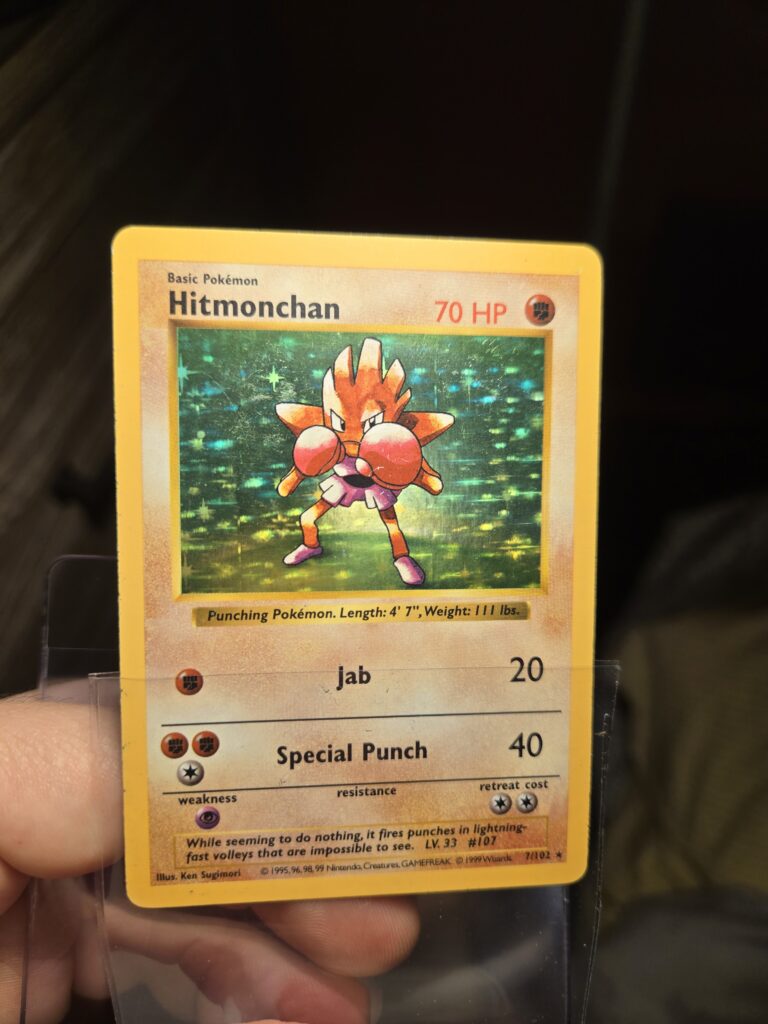
Pokemon cards work differently. They are collectibles, not stocks or commodities. Vintage rare cards from the 1990s, like first-edition Charizards, have exploded in value during hype waves. A top-grade one sold for millions recently. But the market is young compared to oil, starting in 1996. Over full cycles, which for cards might mean 10 to 20 years, prices follow collector trends, scarcity, and pop culture buzz.
Right now, Pokemon cards hit headwinds. Peak speculation from 2020-2021 is cooling off. High interest rates make big-ticket collectibles less appealing since money costs more to borrow. Plus, recent print runs flooded the market with new cards, pushing down values for modern sets. AI investment models looking at this predict flat or negative short-term returns for Pokemon cards as a group. One analysis groups them as PKM and flags oversupply as a key drag.
Comparing the two over full cycles is tricky. Oil has decades of data with steady demand. Pokemon cards shine in bull markets driven by nostalgia and new fans, but they crash harder in downturns. From 2010 to 2021, top Pokemon cards returned over 30 percent yearly on average, outpacing oil’s 5 percent. But since 2022, many card values dropped 50 percent or more while oil rebounded from lows.
For collectors, the edge comes from picking winners like graded vintage rarities. Bulk modern cards or new packs rarely beat oil long-term due to endless supply. Sites tracking PSA-graded sales show elite Pokemon holdings holding up better, but the average stack lags commodities in volatile cycles.
Investors eyeing cards should treat them as fun with upside, not a sure bet against oil. Track auction sites and grade populations to spot cycles early. Oil offers stability; Pokemon brings thrill if you time it right.