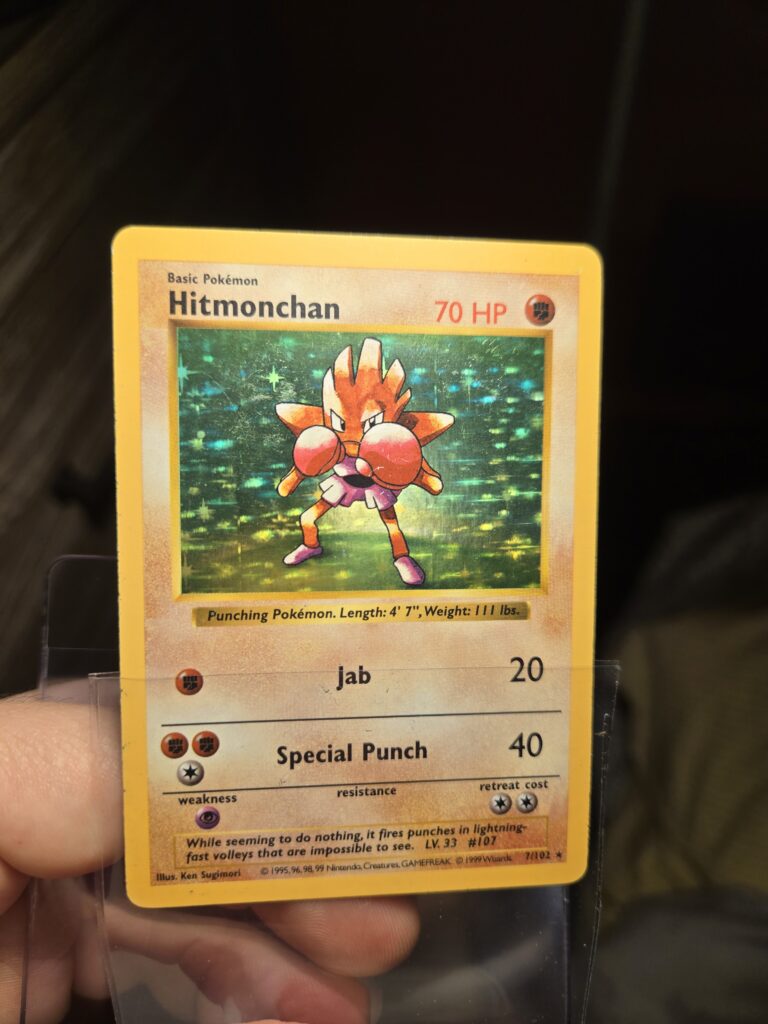
Are Pokémon Cards Outperforming Memorabilia Markets?
Pokémon cards have been on fire in 2025, topping search lists and smashing auction records while other collectibles like sports cards and memorabilia hold steady but show more ups and downs.[1][3] Fans and investors on sites like PokémonPricing.com keep asking if these pocket monsters are leaving traditional memorabilia in the dust. Let’s break it down with real numbers from this year.
First, look at the big picture. The overall trading card game market, including Pokémon, hit about $7.8 billion in 2025, with experts predicting it will climb to $12 billion in the next five years.[1] Pokémon leads the charge as the world’s top media franchise, pulling in $113.7 billion total revenue way ahead of icons like Mickey Mouse at $61.2 billion.[2] On eBay, Pokémon and Pokémon cards took the number one and two spots in top collectible searches for 2025, beating out LEGO, Hot Wheels, and even sports stars like Michael Jordan.[3][4] That kind of buzz translates to real cash. Just this December, a rare 1999 first edition Charizard PSA 10 sold for $550,000 at Heritage Auctions, one of the priciest cards ever.[3]
Now compare that to memorabilia markets like sports cards or vintage toys. Sports cards get hype from rookies and big athletes, but they crash hard when players flop or markets cool off.[2] Think flippers chasing quick profits on Victor Wembanyama or Shohei Ohtani cards, only to see values drop.[3] Pokémon feels different. Even if prices dip, people buy cards to play the game, build decks, and compete, giving them a solid floor.[2] Non-sports cards like Star Wars hit big too—a 1977 Luke Skywalker PSA 10 went for $268,400 in October—but Pokémon and rivals like One Piece (with a Luffy card at $99,700) keep pacing or beating them.[1]
Why the edge? Pokémon draws collectors worldwide, even in places where baseball or football barely register.[2] Searches for “PSA 10” and “Pokémon PSA 10” exploded, showing buyers care about top grades and proven quality.[3][4] Sports memorabilia relies on real-world stars who retire or underperform, but Pokémon thrives on nostalgia, new sets, and endless gameplay. Both markets grow together, blending fun with investment, but Pokémon’s steady climb makes it stand out right now.[2]
For collectors tracking prices on PokémonPricing.com, this means vintage gems like that Charizard keep rising, while modern sets hold value thanks to the game’s popularity. Keep an eye on grading and rarity—they drive the biggest gains.[5]