Are Pokémon Cards Offering Better Global Liquidity Than Watches?
If you collect Pokémon cards to buy low and sell high, liquidity is key. It means how fast you can turn your cards into cash anywhere in the world without losing much value. People often compare cards to luxury watches like Rolex or Patek Philippe, which have big collector markets. But recent data shows Pokémon cards might edge out watches in global liquidity. Here’s why, based on market trends in 2025.
First, understand liquidity in simple terms. For a $5,000 item, can you sell it in minutes or days on global platforms? Watches have strong demand from rich buyers, but sales often need auctions like Sotheby’s or trusted dealers. This can take weeks, and prices vary by region due to import taxes and local tastes. Pokémon cards, on the other hand, move fast across borders thanks to online marketplaces.[1]
The Pokémon trading card game market hit $7.51 billion globally in 2025, growing at 7.9% per year. That’s part of a bigger $7.5 billion trading card industry, including sports cards.[1] Over 10 billion cards were produced in 2024-2025 alone, fueling constant supply and demand.[2] Watches? The luxury watch market is around $50 billion, but it’s slower for everyday sales. Pokémon cards benefit from a huge fanbase playing the game worldwide, not just collectors.
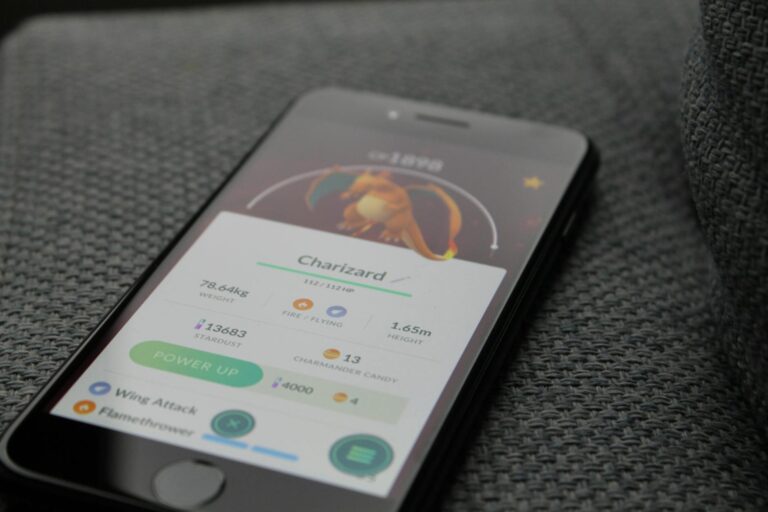
Take a PSA 10 Charizard, a top rare card worth thousands. It can sell in minutes on eBay, Whatnot, or Facebook groups.[1][4] eBay handles 72% of graded Pokémon singles, with 83% of high-end PSA 10 Charizards sold there in Q2 2025.[4] Facebook Marketplace clears bulk lots 63% faster with zero fees.[4] Recent reports list the top 100 most-traded cards by volume, with Charizards and promos leading daily trades on platforms like SNKRDUNK.[5] Watches rarely see that speed outside elite auctions.
Global price gaps make Pokémon cards even more liquid. Buy cheap sealed boxes or singles in Japan, where sets release early and prices are lower, then sell to high-demand spots like the US or UK.[3] US buyers pay top dollar for English cards due to strong liquidity.[3] Shipping in bulk cuts costs, and platforms handle the rest. Watches face bigger hurdles: high shipping insurance, customs delays, and fewer buyers willing to pay full price instantly.
Demand stays steady for iconic Pokémon cards. Nostalgia and new releases like Pokémon TCG Pocket app, with over 100 million downloads and $1 billion in spending, keep the market hot.[2] Sports cards, by comparison, tie to player performance and can dry up fast.[1] Watches hold value long-term but lack Pokémon’s daily trading volume from gamers and flippers.
Sellers have options tailored to speed. Graded singles over $100? eBay with PSA authentication clears 89% faster.[4] Vintage lots? Specialized auctions pay 21.7 times book value.[4] The secondary Pokémon market grew 29% in 2024, with high-value sales mostly on dedicated sites.[4]
In short, Pokémon cards offer quicker, broader global sales than watches for most collectors. Iconic cards like Charizard prove it: universal appeal meets instant online access. If you’re pricing cards on our site, watch these trends to spot liquid gems.