Are Pokémon Cards More Accessible Than Traditional Investments?
If you are new to collecting Pokémon cards or thinking about them as a way to grow your money, one big question comes up: Are these cards easier to get into than stocks, real estate, or gold? The short answer is yes, Pokémon cards often feel more approachable for everyday people. You do not need a big bank account or fancy knowledge to start. Places like Walmart make it simple. They have stores everywhere, stay open late, and sell packs or boxes at prices that fit tight budgets.[1] This setup lets anyone walk in and grab a booster pack for under twenty dollars, turning a quick shopping trip into a fun hunt for rare cards.
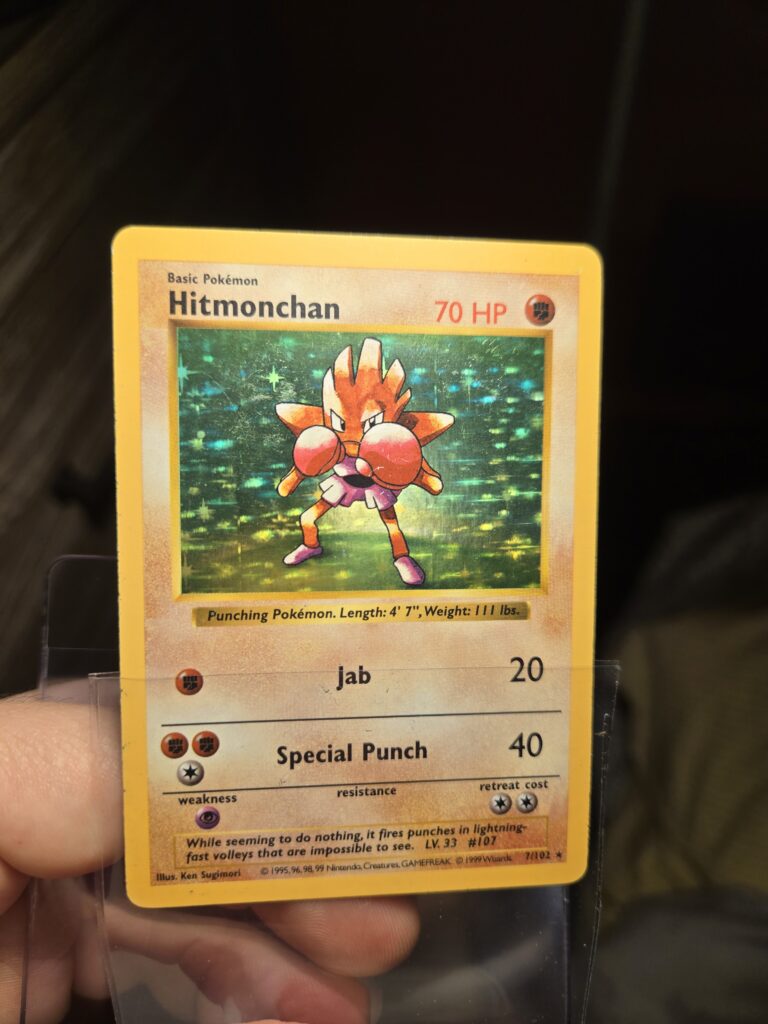
Traditional investments like buying a house or shares in a company demand more upfront cash and paperwork. You might need thousands to begin, plus fees from brokers or lawyers. Pokémon cards skip most of that. Open an app on your phone, check sites like PokemonPricing.com for live prices, and see what chase cards – those shiny rares with cool art like rainbow versions of Pikachu – are worth right now.[1] Prices change fast based on hype from social media or new sets, but tracking them is free and easy. No need for a financial advisor; collectors share tips online every day.
Right now, in late 2025, getting new cards is tough due to shortages. Shelves at stores stay empty because demand outpaces supply, pushing resale prices higher.[2] The Pokémon Company is building new factories, but that might not help until 2027.[2] This actually highlights why cards can be more accessible long-term. Once supply catches up, prices should drop, making packs easier to find and less controlled by resellers.[2] Fans will enjoy opening them without fighting crowds or paying double on secondary markets.
Sealed products shine here too. Buy an unopened booster box at a store, and it holds value over time as sets get harder to find.[1] This beats traditional investments where you often need to hold for years without the thrill of potential instant pulls. Kids and adults alike jump in because the entry is low – a single pack – and the market moves quick enough to learn from mistakes without losing a fortune.
Community plays a role as well. Pokémon fans trade tips at local events or online, building knowledge together. Walmart could even host more events to draw people in.[1] Compare that to stock trading, where big players dominate and small investors watch from the sidelines. With cards, your eye for a hot Pokémon like Charizard can pay off fast.
Prices fluctuate a lot, which adds risk but also chance for quick gains. A card bought cheap today might double if a new game or show boosts it. Tools online give real-time data, so you stay ahead without complex charts used in stocks.
In short, Pokémon cards lower the walls. Grab a pack, learn as you go, and tap into a fun market anyone can join. Traditional paths work for some, but cards offer speed, low cost, and excitement from day one.