Are Pokémon Cards Gaining Value Faster Than Real Estate Prices?
Pokémon cards have shown massive growth in value over the past two decades, often outpacing traditional investments like the stock market and potentially real estate in certain segments.[1] Since 2004, top Pokémon cards tracked by Card Ladder have delivered about 3,821% returns, turning a modest investment into a fortune for long-term holders.[1]
Real estate prices have risen steadily but not at that explosive rate. In the US, average home prices grew around 5-6% per year over the last 20 years, depending on the region, while Pokémon’s blue-chip cards like 1st Edition Base Set holos or trophy cards have compounded much faster due to collector demand and scarcity.[1] These cards act like vintage assets, with value tied to nostalgia and rarity rather than market cycles or location risks that hit housing.
The trading card market hit $7.5 billion globally in 2025, growing 7-8% yearly, fueled by Pokémon and games like Yu-Gi-Oh.[1] Gen Z buyers on eBay made trading cards their top secondhand purchase this year, shifting money from gadgets to packs and high-end singles.[2] Sellers report big wins, like one shop pulling $125,000 in Pokémon sales in 2025 alone by focusing on graded rarities.[4] Even new 2025 chase cards from fresh sets are fetching four-figure prices in top grades, building on past highs of $1,200 to $1,800.[3]
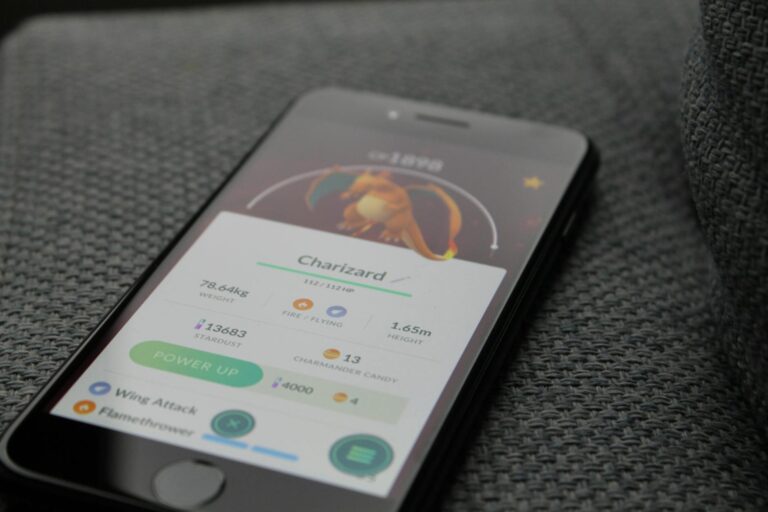
Unlike real estate, which needs big upfront cash and ongoing costs like taxes or repairs, Pokémon cards offer easier entry. You can start with a $50 pack or sealed box and watch icons like Charizard climb as the fanbase grows across generations. Parents who collected in the 90s now share with kids, keeping demand hot.[2] Top cards stay stable too, dodging the volatility of sports cards tied to player injuries.[1]
Liquidity shines here. Sell a PSA 10 Base Set Shadowless online fast, often quicker than listing a house, with global buyers chasing condition and provenance over square footage.[1][2] While not every card moons, the mature Pokémon tier proves reliable preservation beats speculation, pulling ahead of housing’s slower grind in raw appreciation.[1]