Are Pokémon Cards Gaining Institutional Investor Interest?
Pokémon cards have exploded in popularity, turning a kid’s hobby into a serious market. But are big money managers and institutions starting to buy in like they do with stocks or art? Right now, the signs point to strong growth without clear proof of heavy institutional cash flowing in yet.
The trading card world, including Pokémon, hit about $7.5 billion globally in 2025, with experts expecting 7 to 8 percent growth each year.[2] Pokémon cards lead the pack in this space, showing huge returns over time. Data from Card Ladder shows Pokémon cards up 3,821 percent since 2004, beating the stock market’s S&P 500.[2] That kind of track record gets attention from serious investors who chase reliable assets.
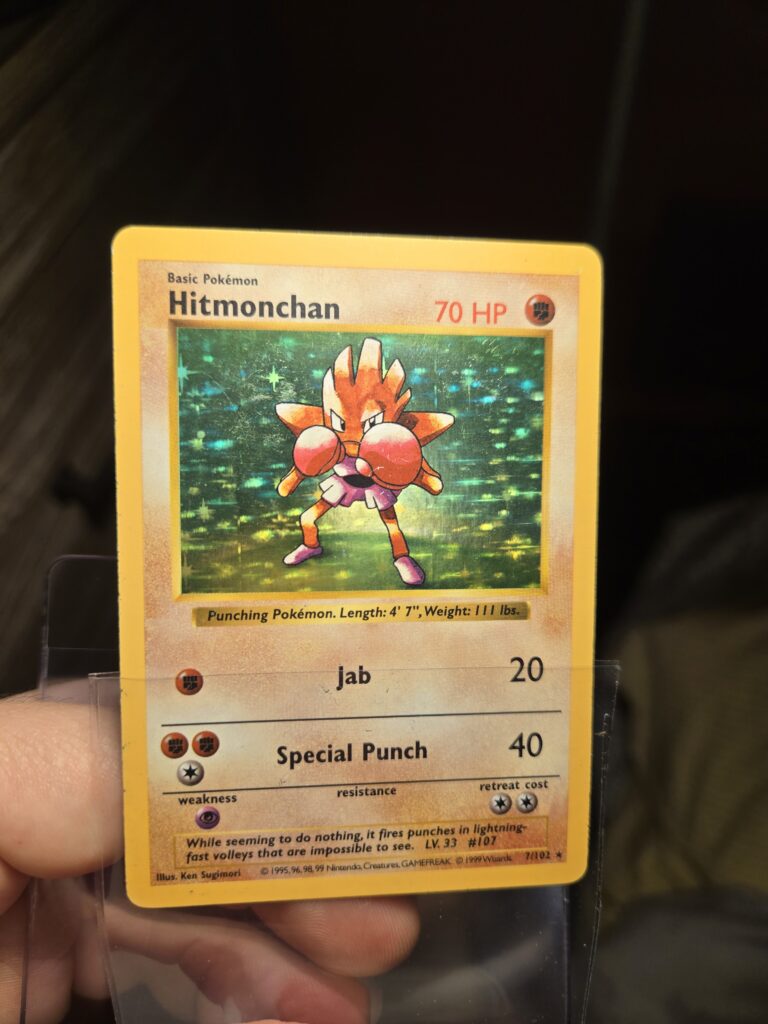
What makes these cards appealing? Top Pokémon cards, like first edition Base Set or trophy cards from key characters, act like rare collectibles with low supply and high demand.[2] They hold value based on history, survival rates, and fan loyalty, much like vintage sports cards. Sales jumped 200 percent from 2024 to 2025 at places like eBay and Walmart, proving there’s real buying power and easy selling for the best cards.[2]
On the production side, demand stays sky high. The Pokémon Company bought its printer, Millennium Print Group, back in 2022, and just signed the biggest U.S. manufacturing lease of 2025 on December 16.[1] This massive expansion tackles card shortages that have plagued 2025, as printers run at full speed but can’t keep up.[1] New facilities won’t be ready until late 2028, so scarcity could push prices higher in the meantime, which might draw more investor eyes.[1]
Still, institutional interest feels more like a whisper than a shout. Pokémon’s parent company shows solid financials overall, with revenue from games, cards, and apps like Pokémon Trading Card Game Pocket keeping things steady.[3] Its credit rating sits at BB-, with some ups and downs in default risk through 2025, but nothing screaming instability.[3] Big funds love blue-chip assets with proven liquidity, and Pokémon’s top cards fit that mold after 25 years of building value.[2]
For collectors tracking prices on sites like ours, this means watching icons over new shiny sets. Long-term holders win as supply stays tight and demand grows. If production ramps up by 2028, resale prices might ease, but rare vintage cards should hold or climb as the market matures.[1][2] Keep an eye on sales data; steady growth like this often pulls in bigger players over time.