Are Pokémon Cards Easier to Enter Than Fine Art Investing?
If you are thinking about dipping your toes into collecting as an investment, Pokémon cards offer a much simpler and cheaper way in compared to fine art. Fine art often feels like a club for the super rich, with paintings costing millions and needing experts to guide you. Pokémon cards, on the other hand, let regular folks start small and build from there.[1]
Fine art investing usually means buying whole pieces that hang on walls in galleries. Most people cannot afford that, as top works run into millions of dollars. To make it accessible, platforms like Masterworks let you buy shares in famous artworks, similar to crowdfunding. You own a tiny piece, and if the art value goes up, your shares do too. You can sell them later on their marketplace. But even here, you need to pick the right art, understand auction trends, and deal with fees and long holding times.[1]
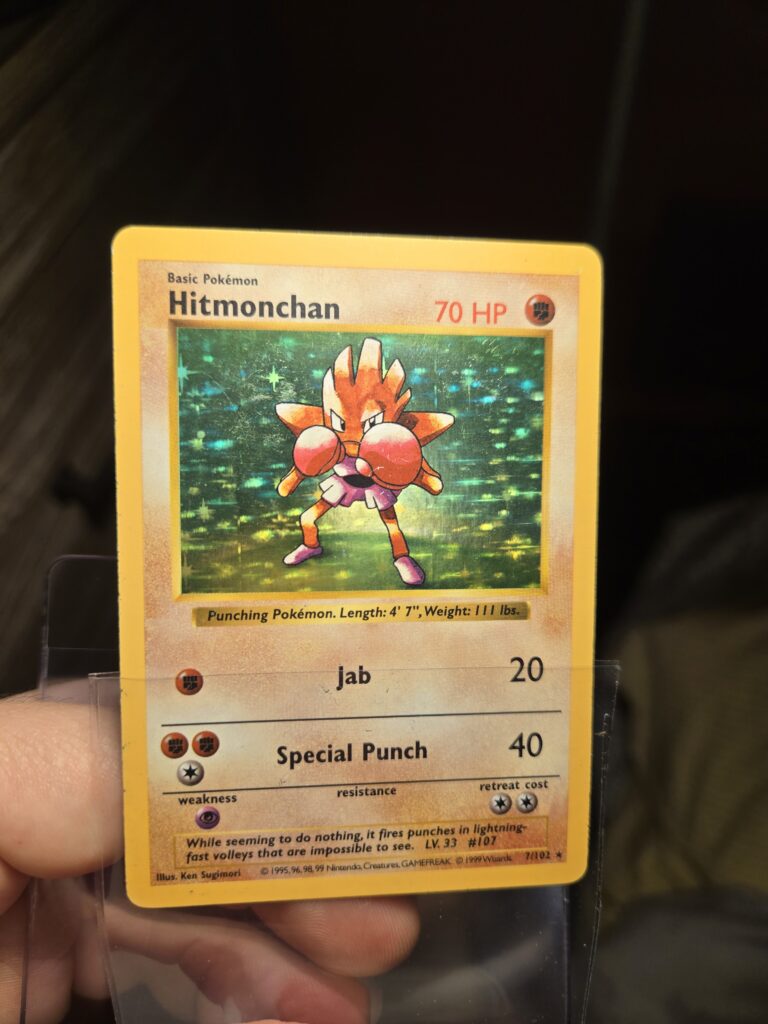
Pokémon cards flip that script. You can grab a single card for under ten bucks at a local shop or online. No need for shares or platforms; just buy what you like. High-end examples show the potential: in 2022, a top-grade Pikachu card sold for 5.275 million dollars to Logan Paul, and a rare Charizard went for 420,000 dollars. The whole trading card market exploded, growing 700 percent since 2020, and it hit 44 billion dollars in value by 2023, with projections to double by 2030.[1]
Getting started with Pokémon cards is straightforward. Check sites like PokémonPricing.com for current prices on everything from common cards to rare gems. Grading services like PSA rate them from 1 to 10, with a PSA 10 being perfect and worth the most. Sealed products, like old booster boxes, hold value too because they promise unopened surprises. Collectors debate graded singles versus sealed stuff all the time, like choosing a shiny Giratina card in PSA 10 or a sealed Japanese stamp box with promos.[2]
The boom keeps going. Pokémon TCG Pocket, a mobile game from late 2024, drove even more interest into real cards through 2025, pushing prices on top singles sky-high.[3] No art degree required; just some research on hot sets, chase cards, and market reports.
Barriers stay low. Skip the gallery schmoozing or art advisor fees. Buy from trusted sellers, store in sleeves or top loaders, and track values as you go. Pokémon cards turn a fun hobby into investing without the steep learning curve or big wallet fine art demands.[1]