Are Pokémon Cards a Better Long Term Hold Than Crypto?
People often wonder if stacking Pokémon cards beats putting money into crypto for the long haul. Both can swing in value, but they work in different ways. Pokémon cards tie into a fan-driven hobby with real-world items you can touch, while crypto lives on digital networks and reacts to global news.
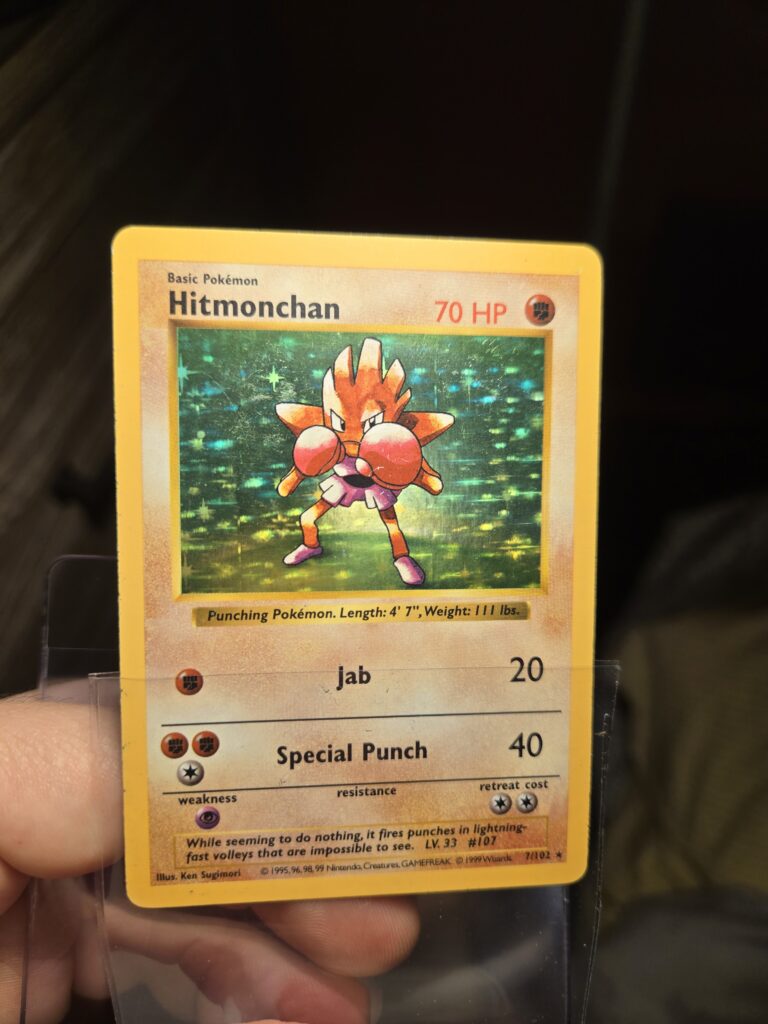
Start with Pokémon cards. They have proven they can hold value over decades. Vintage sets from the 1990s still fetch high prices because fans collect them for nostalgia and rarity. Sealed products, like Japanese Pokémon Stamp Boxes with promo cards, stay valuable since fewer people open them. Graded chase cards, such as a PSA 10 Giratina V Alternate Art from Lost Origin, appeal to investors who want modern hits with upside. The market spiked during the pandemic when fans had extra cash from stimulus checks and poured it into the hobby.[1] Pokémon’s huge fanbase keeps demand steady, even as collectors age and shift priorities like family or retirement.[1]
Crypto, on the other hand, offers wild growth but bigger risks. Bitcoin and others have turned small investments into fortunes for early holders, but crashes wipe out gains fast. Prices depend on tech trends, regulations, and hype, not physical scarcity. One trading card expert even compared newer games like One Piece TCG to Bitcoin for their growth potential, saying Pokémon might have less room to climb since it already boomed.[1] One Piece cards could surge in 10 years if the franchise grows, much like crypto’s early days.
Key differences show up in how they store value. Pokémon cards benefit from limited supply. Once printed, no more come out, and grading locks in quality. You own the actual item, safe from hacks or wallet losses. Crypto has unlimited potential but faces inflation from new coins and network changes. Cards also give joy beyond money; you can display or trade them at events. Crypto feels more like a bet on the future of money.
Risks hit both sides. Pokémon prices dip with market slumps or reprints that flood supply. Crypto volatility can erase 50 percent overnight from bad news. But cards have bounced back over 30 years as a franchise, while crypto is just 15 years old with no long track record.
For long-term holds, Pokémon cards suit patient collectors who enjoy the hobby. They match steady growth like collectibles, not crypto’s boom-bust cycles. Sealed boxes or top-graded modern cards often edge out singles for holding power, based on collector debates.[2] If you buy what you love and store it right, cards provide a tangible edge over digital bets.