# Are Pokémon Cards a Better Investment Than Yu-Gi-Oh?
When it comes to trading card game investments, Pokémon and Yu-Gi-Oh stand out as the two heavyweights. But which one actually holds value better? The answer depends on what kind of investor you are and what timeframe you’re looking at.
Pokémon cards grab headlines with explosive price spikes and million-dollar auctions. These headline-grabbing sales create the impression that Pokémon is the superior investment. However, those massive gains often come from rare vintage cards and are volatile by nature. A single Pokémon card might spike in value one month and plateau the next, especially if it’s tied to external events like movie releases or celebrity collector interest.
Yu-Gi-Oh takes a different approach to value retention. Instead of relying on speculation and hype, Yu-Gi-Oh cards maintain steady appreciation through competitive play. Cards that see regular tournament use have baseline demand that keeps prices stable over time. This functional demand means you’re not just betting on collector sentiment, you’re betting on cards that players actually need for their decks.
The condition sensitivity also differs between the two games. Pokémon is extremely condition-sensitive, meaning a PSA 8 card might fetch only half the price of a PSA 10. Yu-Gi-Oh is more forgiving in this regard. This matters because it means fewer perfect specimens exist in the market, making high-grade Yu-Gi-Oh cards relatively scarcer.
Reprinting strategy plays a major role too. Konami, which produces Yu-Gi-Oh, carefully controls how often old high-rarity cards get reprinted. This keeps the supply of original versions limited. Pokémon, on the other hand, rotates between sets but has no formal ban list. Without the competitive pressure that Yu-Gi-Oh’s ban list creates, demand for most Pokémon cards remains static unless something external drives interest.
For the price range of 20 to 300 dollars, Yu-Gi-Oh offers more predictable returns. You’re looking at slower but steadier appreciation rather than the boom-and-bust cycles common in Pokémon. The grading discipline in Yu-Gi-Oh also matters. Fewer speculative card submissions mean that PSA 10 grades are relatively scarcer, which supports long-term value.
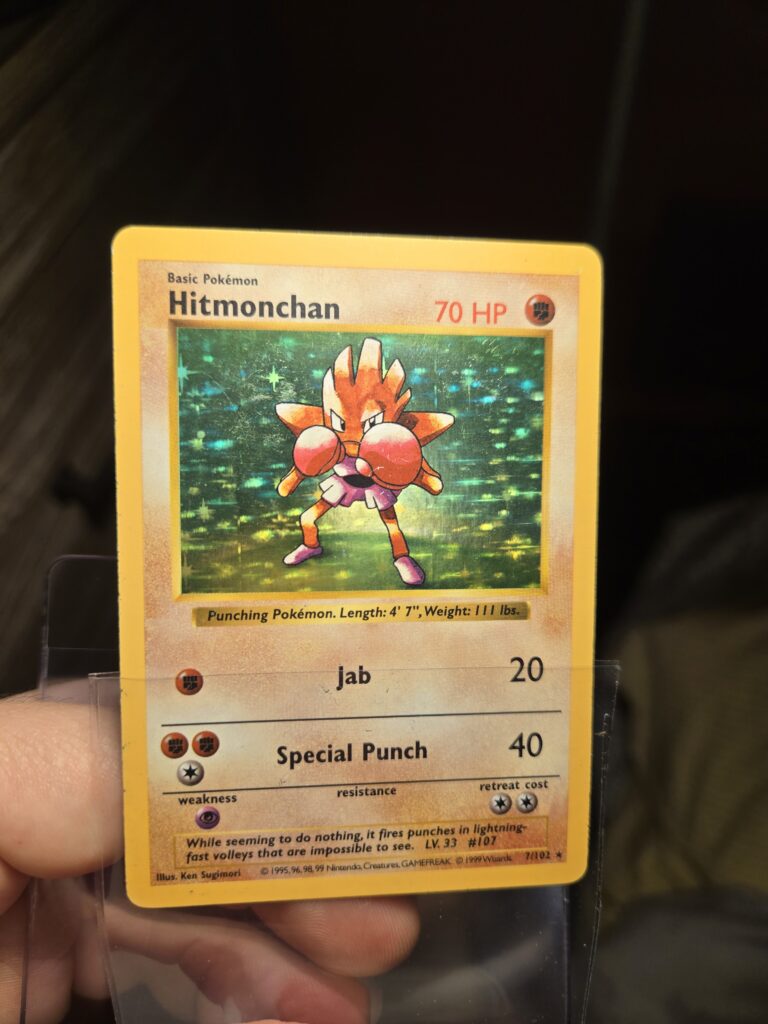
That said, Pokémon still dominates in one area: nostalgia and global recognition. Pre-2000 Pokémon cards, especially first edition Base Set cards, represent genuine collector pieces with lasting appeal. These vintage cards will likely continue to appreciate because they’re tied to the game’s history and cultural significance.
The smartest approach might be diversification. Collectors who blend vintage Pokémon pieces with modern Yu-Gi-Oh staples create balanced portfolios that capitalize on each game’s strengths. This strategy mitigates risk while giving you exposure to both the spectacle of Pokémon and the steady fundamentals of Yu-Gi-Oh.
If you’re purely focused on reliable, long-term appreciation in the mid-range price tier, Yu-Gi-Oh singles present a more disciplined alternative rooted in actual gameplay demand. But if you’re willing to accept volatility for the chance at headline-grabbing gains, Pokémon remains the king of spectacle. Your choice ultimately depends on whether you value steady growth or explosive potential.