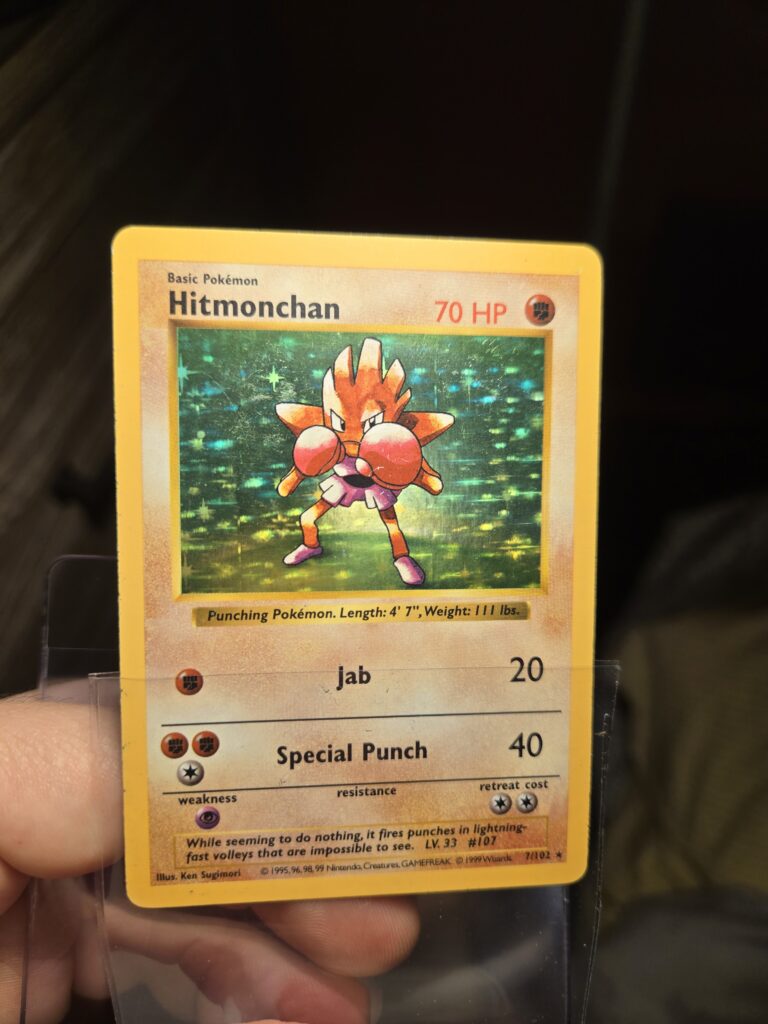
Are Pokémon Cards a Better Investment Than Websites?
People often wonder if collecting Pokémon cards beats investing in websites, like buying domains or building online businesses. Both can grow in value over time, but they work in very different ways. Pokémon cards have shown strong returns backed by a huge collector market, while websites depend more on your skills and luck in traffic or sales.[1]
The trading card world, including Pokémon, is a big deal right now. In 2025, the global market hits about $7.5 billion, with steady growth of 7 to 8 percent each year. Pokémon sits in the trading card game part, valued at $7.51 billion and growing at 7.9 percent a year. Sports cards are even bigger at nearly $13 billion, but Pokémon stands out for its focus on key icons like first edition Base Set cards.[1]
Long-term data makes Pokémon cards look solid. Since 2004, they have returned about 3,821 percent, beating the S&P 500 stock index by a wide margin. This comes from reliable sources tracking card values, showing how vintage Pokémon pieces act like blue-chip investments after just 25 years. Top cards from sets like those in the World Championships 2025 promo, such as Paradise Resort 224, now sell for over $247 on the market.[1][6]
Websites can make money too, but they take active work. You might buy a domain for $10 and flip it for thousands if it gets popular, or build a site that earns from ads. The catch is risk: search engines change rules, competition is fierce, and most sites fail to profit big. Pokémon cards just need storage in good condition, and their value rises with fan demand, not daily management.
Look at real examples from Pokémon investing talks. Booster boxes from Sun and Moon sets bought four years ago have soared because rare graded cards inside jumped from $300 raw to $6,000 in PSA 10 condition. Even newer sets like Pokémon 151 show packs climbing from $9 to $15 in a year, thanks to fan favorites like Bulbasaur cards over $43 each. Sword and Shield era boxes dipped but hold strong total set values around $13,000 to $13,600 for top singles, hinting at future climbs.[2][3][5]
Cards also have easy ways to check prices. Sites like PriceCharting or eBay sold listings give quick values, even for played cards dropping from $720 near mint to $288 damaged. Graded gems like Rayquaza V-MAX hit $1,400 to $1,500 in PSA 10.[4]
Websites shine if you know SEO or content creation, but Pokémon cards offer passive growth tied to a passionate global fanbase. Vintage and sealed products often win for long-term holds over modern chases, much like picking established domains over new ones.[7]
Investors debate graded singles versus sealed boxes with promos, but both beat many website flips in proven track record. Pokémon reached investment maturity fast, while websites stay unpredictable.[1][7]