Are Pokémon Cards a Better Investment Than Vintage Antiques?
People often wonder if collecting Pokémon cards beats out vintage antiques like old furniture, coins, or artwork when it comes to growing your money. Both can turn a hobby into real profits, but Pokémon cards have surged ahead in recent years thanks to huge demand from fans and new collectors. Let’s break it down step by step so you can see how they stack up for your portfolio.
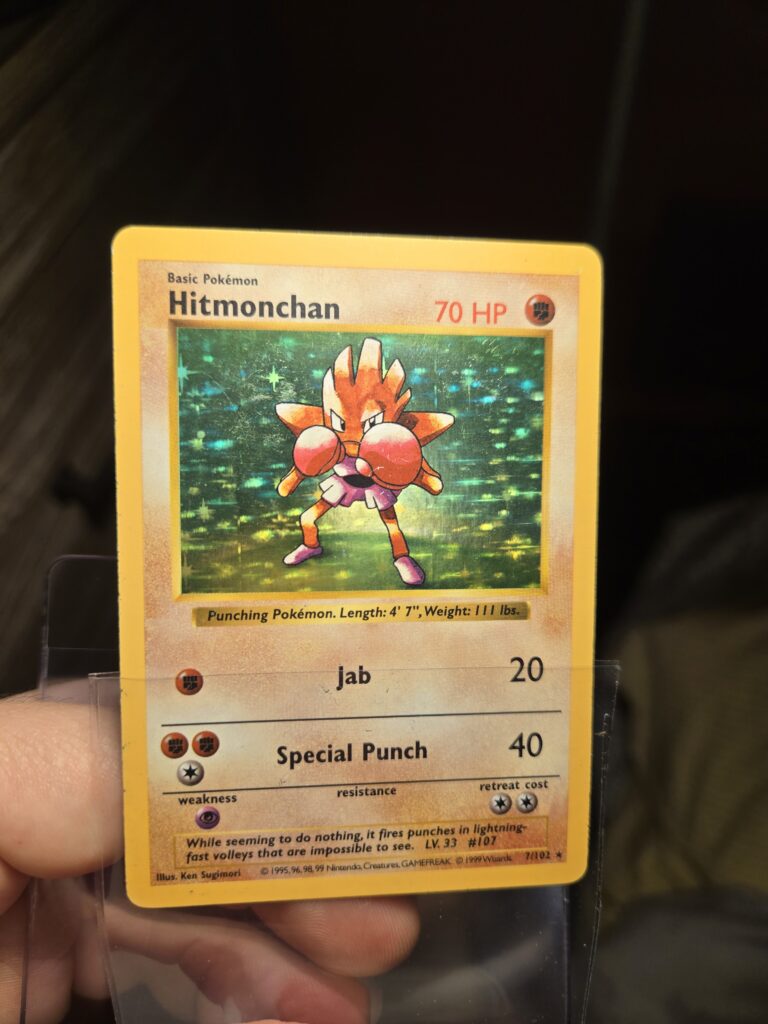
First, look at the numbers for Pokémon cards. The trading card market hit $44 billion in 2023 and experts predict it will double to $98 billion by 2030, growing at 8.2% each year.[1] That’s faster than many traditional investments. Take the PSA 10 Illustrator Pikachu card, which Logan Paul bought for $5.275 million in 2022, or the PSA 10 Shadowless 1st Edition Holo Charizard that sold for $420,000 the same year.[1] These aren’t flukes; rare cards from the 90s keep climbing because Pokémon appeals to kids, adults, and celebrities alike. The pandemic kicked off a boom as people started new hobbies, and now it’s mainstream.[1]
Vintage antiques tell a different story. Think of items from Pawn Stars episodes, like ancient coins or old paintings pawned at shops.[1] They can pay off big if you’re an expert spotting fakes or rare pieces from history. Toys count as antiques too, such as vintage Barbie dolls or 80s action figures that resell for way more than their original price.[2] Lego sets from 10 or 20 years ago do well for nostalgic buyers, much like Pokémon cards.[1] But antiques grow slower overall. They rely on steady interest from serious collectors, not the viral hype that boosts cards.
What makes Pokémon cards stand out? Speed and accessibility. You can buy a card online today, get it graded by PSA, and flip it fast if prices spike. Prices on sites like PokémonPricing.com update daily based on real sales, so you track values easily. Vintage antiques take longer to sell, often needing auctions or experts to appraise them right. Storage is simpler for cards too, no big climate-controlled rooms required like for furniture or paintings.
Risks exist on both sides. Pokémon cards can crash if trends fade, though the fanbase seems solid with new games and shows. Antiques face fakes and shifting tastes, plus they’re harder to liquidate quickly.[1] Passion matters most; if you love Pokémon, researching cards feels fun, not like work.[1] Vintage fans get the same thrill from history.
For growth potential, Pokémon cards edge out right now with their hot market and quick flips. Check recent sales on PokémonPricing.com to spot winners like first-edition holos. Vintage antiques offer stability for patient investors, but they lack the same excitement and speed. Pick based on what you enjoy tracking most.