Are Pokémon Cards a Better Investment Than Small Cap Stocks?
People often wonder if collecting Pokémon cards beats putting money into small cap stocks. Small cap stocks are shares in smaller companies with market values usually under $2 billion. They can grow fast but swing wildly with market changes. Pokémon cards, on the other hand, are collectibles that have seen huge price jumps, especially rare ones in top condition.
Let’s look at recent numbers. The trading card market hit $44 billion in 2023 and could double to $98 billion by 2030, growing at 8.2% a year.[2] That’s driven by fans, celebrities, and even big buyers during the pandemic boom. For example, a perfect PSA 10 Illustrator Pikachu sold for $5.275 million in 2022, and a top-grade first-edition Charizard went for $420,000 the same year.[2] Graded card sales jumped 700% since 2020.[2]
Small cap stocks had a strong 2025 so far, with the lower half of the market up big in percentage terms.[3] But they face risks like high required returns of 9-12% for riskier ones, based on what investors demand.[3] Past winners like Nvidia hit huge market caps, but returns mix after peaks, and not every bet pays off.[3]
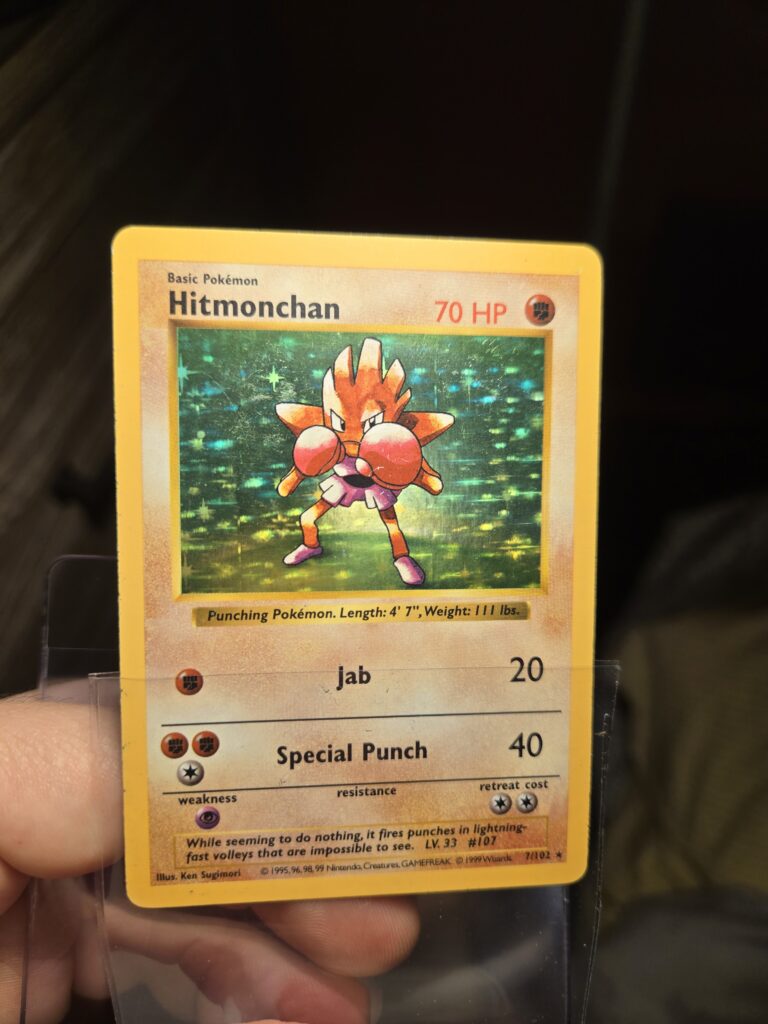
Pokémon cards shine in specific ways. Take Charizard versus Mewtwo from the original Base Set. Charizard has high demand for quick sales and prestige, but prices spike and drop with trends like new reprints.[1] Mewtwo offers steadier long-term growth. From 2016 to 2018, early buyers grabbed graded Mewtwos cheap under $5,000. By 2019-2021, Charizard topped $50,000 while Mewtwo hit $12,000. Then in 2022-2023, the market cooled, but Mewtwo stabilized and climbed. In 2024, big funds started buying “blue chip” cards like it for portfolios.[1]
Cards give you tangible assets you can hold and enjoy. Unlike stocks, they don’t pay dividends but can diversify away from market crashes. Survival rates matter: fewer mint Charizards exist because kids played with them, while Mewtwos got kept safer.[1] Platforms let you buy fractions of rare cards if you want low entry.[2]
Stocks track broader economies and need constant watching. Small caps reward bold picks but punish wrong ones, with breakeven revenues tied to huge market caps for leaders.[3] Cards reward knowledge of rarities, grading (like PSA 10 for gem mint), and patience.
Both have volatility. Card prices fell post-pandemic, just like some stocks. Success comes from spotting undervalued gems, whether a stock or a Shadowless Holo. If you love Pokémon and study prints, pulls, and auctions, cards might fit better than guessing small company futures.