Are Pokémon Cards a Better Investment Than Private Equity for Small Investors?
If you are a small investor with just a few hundred or thousand dollars to put to work, Pokémon cards can offer higher potential returns and easier access than private equity, though with more ups and downs.[1][2][4] Private equity means pooling money into funds that buy and improve private companies, often needing at least $100,000 to join and locking up your cash for 5 to 10 years with returns around 10-15% per year on average.[2] Pokémon cards, on the other hand, let you start small, buy singles or sealed boxes on sites like eBay right away, and sell anytime with no big minimums or long waits.[1][3]
The trading card world hit $7.5 billion globally in 2025, growing 7-8% yearly, and Pokémon leads with $2.2 billion in sales last year alone.[1][2] Since 2004, top Pokémon cards like first edition Base Set or key chase cards have returned 3,821%, crushing the stock market’s gains over the same time.[2] Small investors see this in real examples: one collector turned $48,000 invested in 2025 Pokémon boxes into $20,000 unrealized gains, a 72% return by year’s end, focusing on sets like Obsidian Flames instead of the newest hyped ones.[4] Booster boxes from Evolving Skies jumped 100-135% in a year, from $189 to over $370, while Pine Fates Elite Trainer Boxes rose 250% before a small pullback.[3][5]
Private equity sounds steady, but it favors big players with deep pockets. Fees eat 2% yearly plus 20% of profits, and you cannot touch your money easily if markets shift.[2] Pokémon cards trade daily with good liquidity for popular icons like Pikachu ex or Victini, which gained 40% year-over-year despite 10-15% dips in modern cards from reprints.[1] The market stays strong thanks to 10.2 billion cards printed in 2025, 30th anniversary hype in 2026 boosting nostalgic picks by 25%, and steady demand for sealed products.[1]
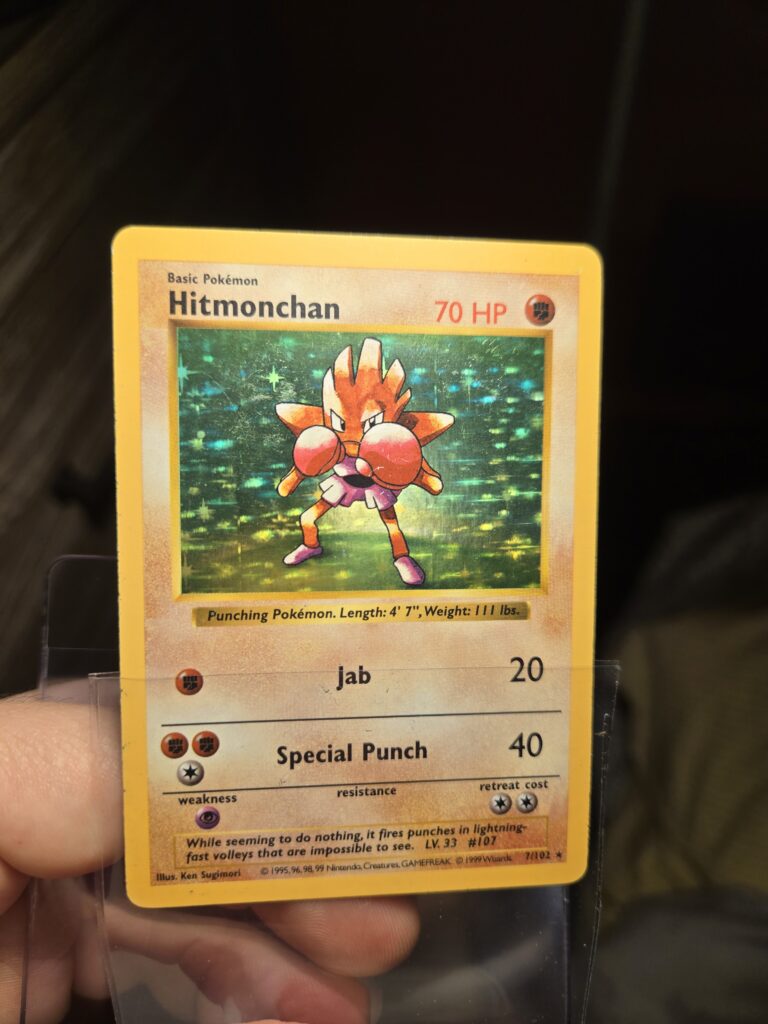
For small investors, Pokémon edges out because you control your buys. Pick graded vintage holos, alternate art VMAX like Umbreon, or SIR cards from sets like Scarlet & Violet for reliable growth.[1][2][6] Avoid chasing every new release like Destined Rivals or Mega Evolution until prices cool.[4] Store them safe, track prices on PokemonPricing.com, and sell when gains hit 50-100%.[3][5] Volatility hits both investments, but Pokémon’s quick flips and huge past wins make it more exciting and reachable for everyday folks.[1][2]