Are Pokémon Cards a Better Investment Than Paper Gold?
If you are thinking about putting money into collectibles or safe assets like paper gold, which is basically certificates or ETFs that track gold prices without owning the metal itself, Pokémon cards might surprise you. Paper gold tends to hold steady value tied to gold’s price, which rises slowly over years due to inflation and global demand. Pokémon cards, on the other hand, can skyrocket based on rarity, condition, and fan hype, but they come with bigger ups and downs.
Start with paper gold. It acts like a boring but reliable savings account. Gold prices have climbed about 5 to 7 percent a year on average over the past decade, giving steady returns if you hold long term. No storage worries since it is all digital or paper-based, and you can sell anytime markets are open. But gains are predictable and not huge, often just matching or beating inflation.
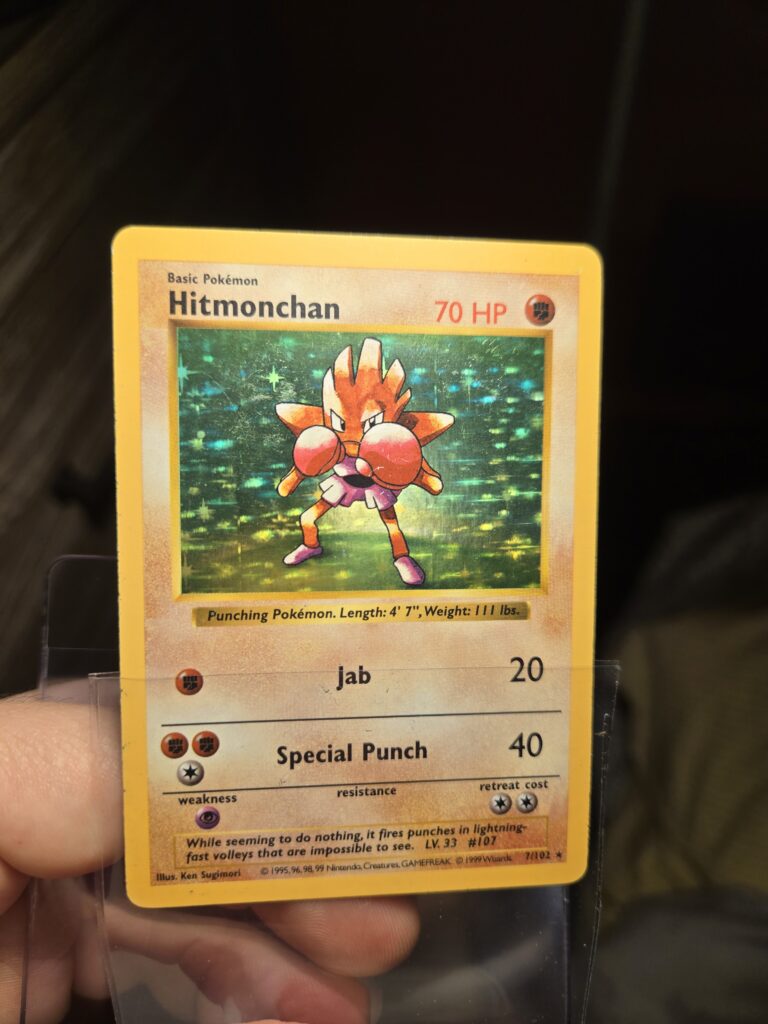
Pokémon cards play a different game. Rare ones like the Espeon Gold Star from 2007 have sold for over $22,000 in top PSA 10 condition. That is one pristine copy from a 2021 eBay auction. Or take the Holographic Gold Star Torchic, where only 19 GEM MT 10 versions exist, and one fetched $43,200 in 2022. Even a solid gold Pikachu promo from 2018, weighing 11 grams of 24-karat gold, went for $29,520 despite being a replica. These are not everyday cards; they are ultra-rare pulls, maybe one per two booster boxes for gold stars.
The catch? Not all cards win big. A video experiment compared sealed Pokémon products to single cards bought at the same time for the same cost. Sealed stuff, like unopened booster boxes, held value better over time with less risk, acting like a safer bet similar to paper gold. Singles, especially modern chase cards like Hooper V, swung wildly: one dropped from $9 to around $8.50, barely breaking even after fees. High-end vintage singles crushed it with massive gains, but most collectors chase those and lose on commons.
Risk hits Pokémon cards harder. Market crashes, like the 2021 boom turning into a 2022 dip, wiped out values fast. Grading matters too; a PSA 10 multiplies price, but most cards grade lower. Fakes flood the market, and trends shift with new sets. Paper gold skips all that drama, no grading needed.
Numbers tell the story. Top Pokémon cards beat gold’s returns easily: that Torchic gained over 40 times its print value in raw terms. But average cards? Many sit flat or drop, while paper gold chugs along at 5 percent yearly. Sealed product splits the difference, growing 10 to 20 percent some years without single-card volatility.
For everyday investors on PokemonPricing.com, mix it up. Paper gold for sleep-easy stability, Pokémon cards for lottery-ticket thrills if you hunt rarities like gold stars. Track prices here to spot winners before they pop. Vintage Base Set holographics or promo gold cards often outpace gold, but only if you buy graded gems and hold through dips. Modern singles? Riskier than a wild battle.