Are Pokemon Cards a Better Investment Than NFTs After the Crash?
The world of collectible investments has changed dramatically over the past few years. Two major players emerged as potential ways to make money: Pokemon trading cards and NFTs. Both promised big returns, but they took very different paths. Now that the NFT market has crashed hard, many people are asking whether Pokemon cards are the smarter choice.
Let’s start with what happened to NFTs. The NFT craze peaked in 2021 and early 2022. People were spending thousands of dollars on digital images and collectibles that existed only online. Some NFTs sold for millions. Then reality hit. The market collapsed. Most NFTs became nearly worthless. People who bought at the peak lost huge amounts of money. The problem was that NFTs had no real use case for most people. They were purely speculative. Once the hype died, there was nothing left to support the prices.
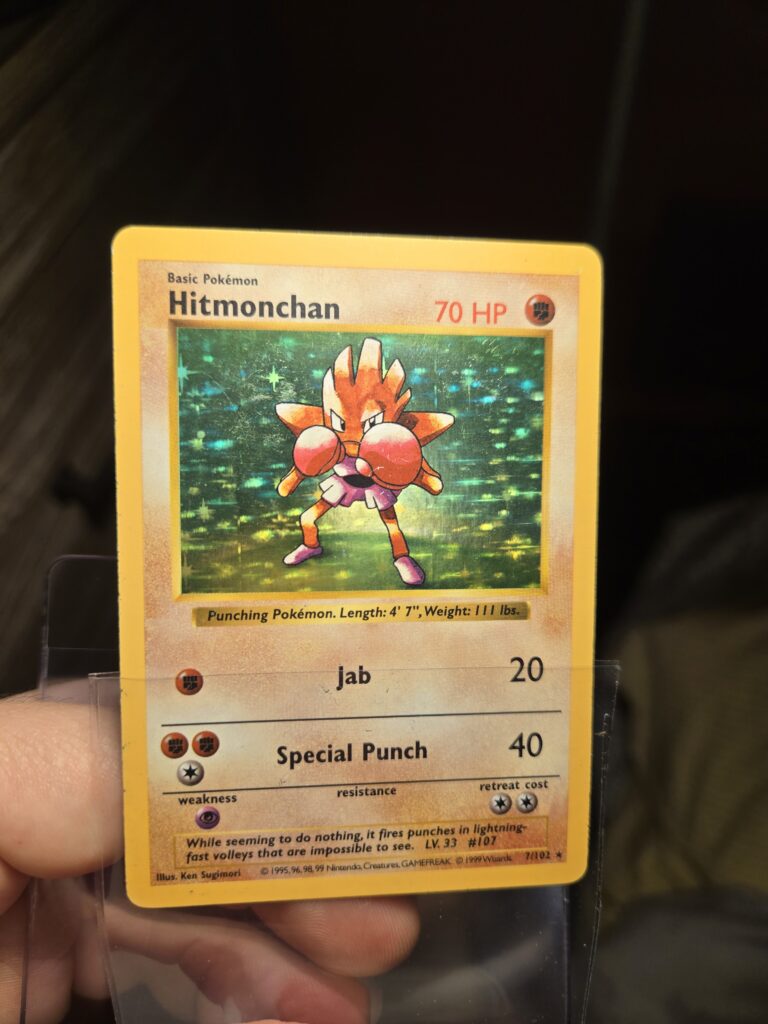
Pokemon cards tell a different story. These physical cards have been around since 1996. They have real value because people actually want to collect them and play with them. Kids and adults both enjoy Pokemon. The cards have a tangible quality that digital items simply cannot match. You can hold them, display them, and trade them face to face.
The Pokemon card market did experience a bubble too. During the pandemic, prices went crazy. A first edition Charizard card sold for over 300,000 dollars. But here’s the key difference: even after the market cooled down, Pokemon cards maintained much of their value. Rare cards are still worth significant money. The market stabilized at higher levels than before the bubble, not at zero like many NFTs.
Pokemon cards have several advantages as investments. First, there is genuine demand from collectors and players. Second, the cards are graded and authenticated by companies like PSA and BGS, which gives buyers confidence. Third, there is a long history of price data. You can look back decades and see how certain cards have performed. Fourth, Pokemon continues to release new products, which keeps the hobby alive and growing.
NFTs lack most of these advantages. There is no standardized grading system. Authentication is harder to verify. The utility is unclear. And the market sentiment turned negative very quickly once people realized they were not getting rich.
That said, Pokemon cards are not a guaranteed path to wealth either. You need to know what you are buying. Not every card will increase in value. Common cards from recent sets are worth very little. The best investments are rare cards in good condition from early sets. A first edition card from the base set is worth far more than a card from a recent release.
The condition of the card matters enormously. A card graded PSA 10 might be worth ten times more than the same card graded PSA 7. This is why serious investors get their cards professionally graded. It costs money upfront, but it protects your investment and makes it easier to sell later.
Pokemon cards also have lower barriers to entry than some might think. You do not need to spend thousands of dollars to start. You can buy moderately priced cards that have solid growth potential. A card worth 50 to 200 dollars today might be worth significantly more in five or ten years.
The liquidity of Pokemon cards is another advantage over NFTs. There are established marketplaces like TCGPlayer, eBay, and specialized dealers. You can sell your cards relatively quickly if you need to. NFTs are much harder to sell in a crashed market. Buyers have simply disappeared.
One thing to understand is that Pokemon cards are not a get rich quick scheme. The best returns come from holding cards for years. If you buy a card for 100 dollars, you might see it grow to 150 or 200 dollars over five years. That is a decent return, but it is not the kind of explosive growth that attracted people to NFTs.
The Pokemon card market is also more stable because it is tied to a real product with real fans. The Pokemon Company continues to make games, shows, and merchandise. This keeps the brand relevant and the cards in demand. NFTs had no such foundation.
Another consideration is the physical nature of Pokemon cards. They can be damaged, lost, or stolen. You need to store them properly. This is a real cost and responsibility. Digital items do not have this problem, though they have their own risks like hacking and exchange failures.
The tax situation is also worth thinking about. In most countries, gains from selling Pokemon cards are taxable. The same is true for NFTs. But with Pokemon cards, you have a clearer record of what you bought and sold. NFT transactions can be harder to track for tax purposes.
Looking at the current market, Pokemon cards are experiencing steady, sustainable growth. Prices are not skyrocketing like they did during the pandemic, but they are not crashing either. This stability is actually a good sign for investors. It means the market is maturing and becoming more rational.
NFTs, by contrast, are still in a state of uncertainty. Some people believe they will recover. Others think the entire concept was a bubble that will never return to previous levels. Either way, the risk is much higher.
If you are trying to decide between Pokemon cards and NFTs as an investment, the choice seems clear. Pokemon cards have a longer track record, real demand, established markets, and physical value. NFTs have crashed and show no signs of strong recovery. Pokemon cards are not a perfect investment, but they are far more reliable than NFTs in the current environment.
The lesson here is that investments backed by real demand and utility tend to hold value better than purely speculative assets. Pokemon cards have both. NFTs had neither. As you consider where to put your money, remember that the most sustainable investments are those that people actually want to use and enjoy, not just those that promise quick profits.