Are Pokémon Cards a Better Investment Than Movie Props?
People love collecting stuff that might make them money down the road. Pokémon cards and movie props both draw in fans who dream of big returns. But which one holds up better as an investment? Let’s break it down simply, using real market trends and examples anyone can follow on sites like PokémonPricing.com.
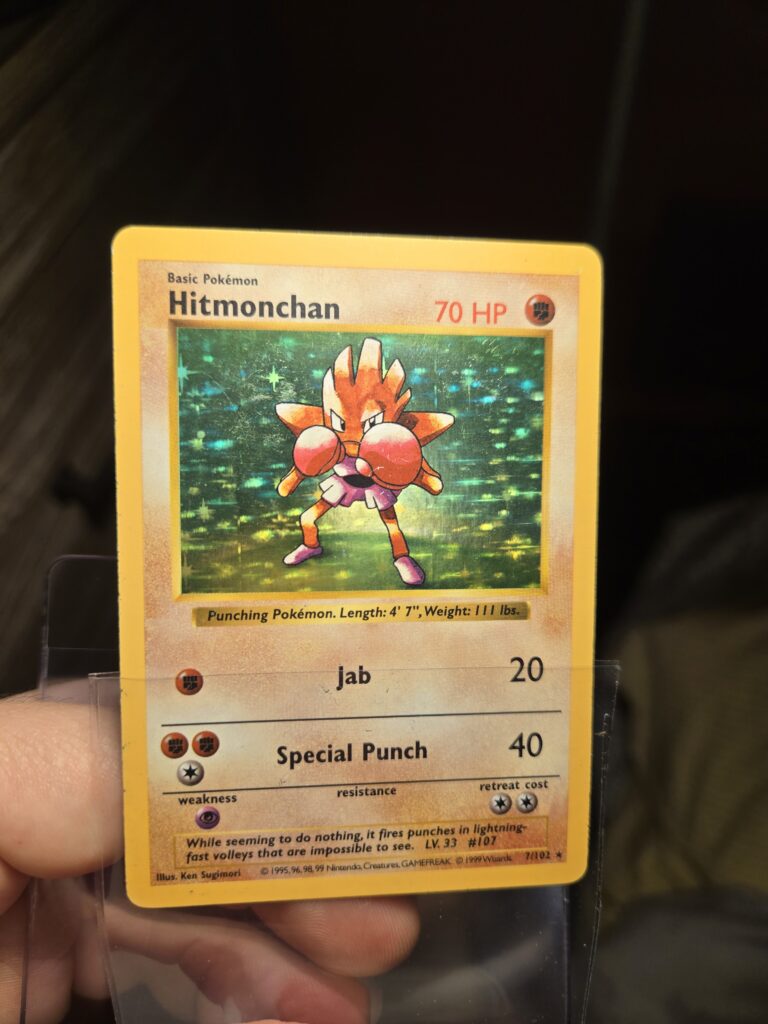
First, look at Pokémon cards. The market hit over $2.2 billion in global sales last year, up 25% from before.[1] Even with some dips in 2025, like hyped cards dropping 10-15% after early surges, the overall picture stays strong.[1] Production ramped up to 10.2 billion cards this year, which helps keep prices steady and fights off scalpers.[1] Nostalgia plays a huge role too. Sets tied to anniversaries, like the upcoming 30th in 2026, push values up 25% or more on older cards.[1] Take Pokémon 151 boosters: they jumped from $9 to $15 a pack in just a year.[3] Graded gems shine brightest. A raw chase card might sell for $300, but a PSA 10 version can hit $6,000 if few exist.[2] Booster boxes from older sets like Sun and Moon have delivered massive gains for patient buyers, sometimes turning cheap buys into serious profits over four years.[2]
Movie props tell a different story. Think lightsabers from Star Wars or Harry Potter wands. These items spike in value right after a film’s hype fades, but they often stall out. Rarity helps, sure, but props lack the constant new demand Pokémon gets from fresh sets and events. A prop might sit in storage for decades with no buzz, while Pokémon cards benefit from weekly releases, tournaments, and a global fanbase of kids and adults buying alike. Data shows Pokémon sealed products like undervalued Sword and Shield boxes are climbing back toward their full set value, even after pullbacks.[2][5] Top singles from those eras still hold strong total values around $13,000-$14,000 for the best 20 cards per set.[5]
Liquidity makes Pokémon the clear winner. Want to sell a card fast? Check TCGPlayer, eBay, or PriceCharting for instant prices on raw or graded copies.[4] A near mint card might go for $720, while a played one fetches $559.[4] Movie props? Good luck. Auctions happen once a year, fees eat 20-30%, and you need Hollywood connections to verify authenticity. Pokémon’s market moves daily, with tools letting you track everything from $10 sleeper cards to $1,500 PSA 10 hits.[4]
Risks exist on both sides. Pokémon sees volatility from reprints or FOMO-driven booms and busts.[1][5] Movie props face fakes and fading movie trends. But Pokémon’s growth engine keeps rolling: new art, fan favorites, and print runs that match demand without crashing prices.[1] Sets like Journey Together show modern cards gaining 45% in months.[1] Props rely on one-off nostalgia without that refresh.
For everyday investors checking PokémonPricing.com, cards offer easier entry. Start with sealed booster boxes under market value or graded vintage singles. They beat props on growth potential, quick sales, and fun factor. Track the top expensive cards of 2025, like Paradise Resort at nearly $250, to spot trends early.[6] [1][2][3][4][5][6]