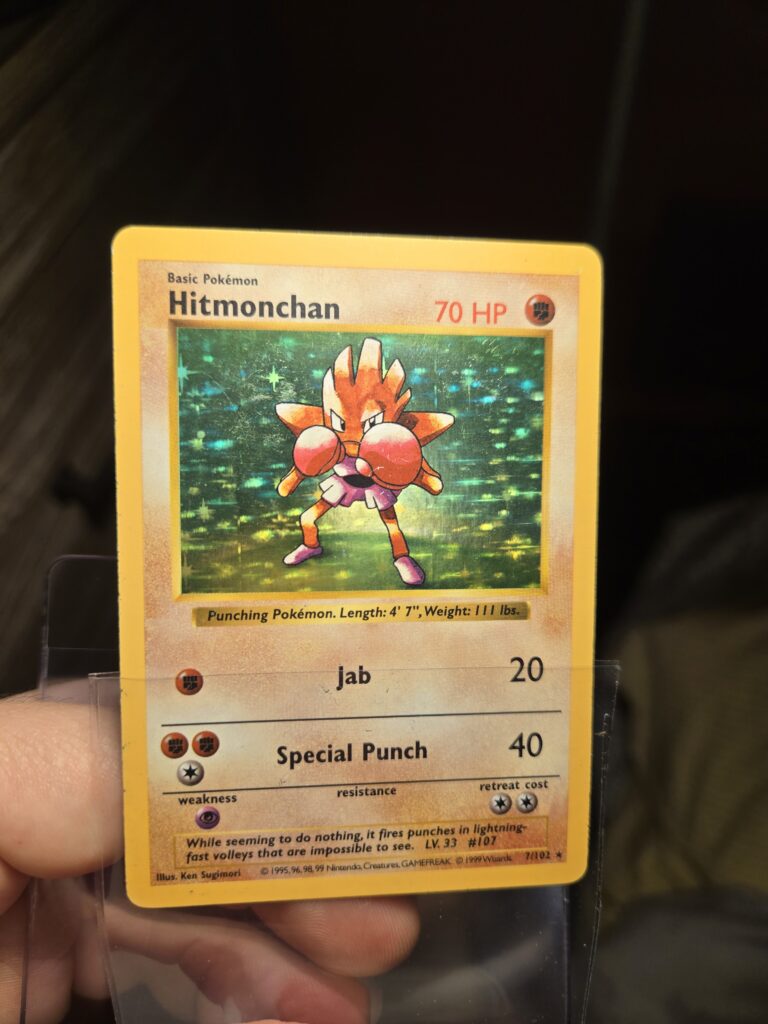
Are Pokémon Cards a Better Investment Than Mid Century Furniture?
People love collecting stuff that might make them money over time. Pokémon cards and mid century furniture both fit that bill. Pokémon cards are those colorful trading cards from the game with Pikachu and Charizard. Mid century furniture means chairs, tables, and sofas made between 1945 and 1970, often with clean lines and wood or metal designs from brands like Herman Miller or Eames. Both can go up in value, but which one wins for investors? Let’s break it down step by step in simple terms.
First, look at growth. Pokémon cards have shown huge returns. Data from Card Ladder shows Pokémon cards delivered about 3,821 percent returns since 2004. That beats the stock market’s S&P 500 over the same time. The whole trading card market hit around 7.5 billion dollars in 2025, with steady growth of 7 to 8 percent each year expected. Sports cards are even bigger at nearly 13 billion dollars, but Pokémon stands out for quick maturity. It took just 25 years for top Pokémon cards like first edition Base Set or trophy cards to act like reliable blue-chip investments.[1]
Mid century furniture grows too, but slower and steadier. Pieces like an Eames lounge chair can sell for thousands today if in good shape. Values rise with demand from home decorators and nostalgia for that retro look. But it lacks the explosive jumps Pokémon sees. Pokémon booster boxes from sets like Sun and Moon bought four years ago have made massive gains, sometimes doubling or more as sealed products get scarce.[2]
Liquidity matters a lot. That’s how fast you can sell without losing much value. Pokémon cards shine here. Sites like TCGPlayer, eBay, and Price Charting let you check prices instantly and sell worldwide. A PSA 10 graded Rayquaza V-Max might list at 1,500 dollars raw or graded, with sales data right there to guide you. Even damaged cards hold value, like one selling for 288 dollars.[4] Graded chase cards or sealed booster packs from popular sets like 151 trade easily. Packs from 151 jumped from 9 dollars to 15 dollars in a year.[3]
Furniture is tougher to sell quick. You need buyers locally or ship big heavy items, which costs money. Auctions or shops take time, and condition checks are hands-on. No app gives you a sold price in seconds like with cards.
Risks hit both, but differently. Pokémon has hype cycles. Prices spike on new sets, then drop if everyone piles in from FOMO. Sword and Shield era top singles fell back to 13,628 dollars total value recently, near a key support line from March 2025.[5] New cards like Paradise Resort from Worlds 2025 hit 247 dollars market price fast.[6] Pick icons over trendy stuff for safety.
Furniture risks wear and trends. A scratched table loses value, and styles shift. Storage needs space and climate control, unlike stacking cards in slabs.
Costs to start are close. Entry-level Pokémon sealed products or graded cards run hundreds. A basic mid century chair might too. But Pokémon scales easier, with singles under 10 dollars that could pop.
Long-term, Pokémon edges out for speed and ease. It matured faster than sports cards and keeps drawing new fans. Furniture builds wealth quietly over decades. If you want fun, quick trades, and big upside, Pokémon cards pull ahead.[1][7] Check current prices on PokemonPricing.com before you buy.