Are Pokémon Cards a Better Investment Than Managed Funds?
People often wonder if collecting Pokémon cards beats putting money into managed funds like mutual funds or ETFs. Managed funds spread your cash across stocks and bonds with pros handling the picks. Pokémon cards are alternative investments you buy, hold, and maybe sell later for profit. Both aim to grow your money, but they work in different ways.
Managed funds offer steady growth over time. They track markets like the S&P 500, which has averaged about 10% yearly returns before inflation for decades. You get diversification, so one bad stock does not wipe you out. Fees eat into gains, often 0.5% to 2% a year, and you face market dips during recessions. Still, they suit hands-off investors chasing reliable long-term results.
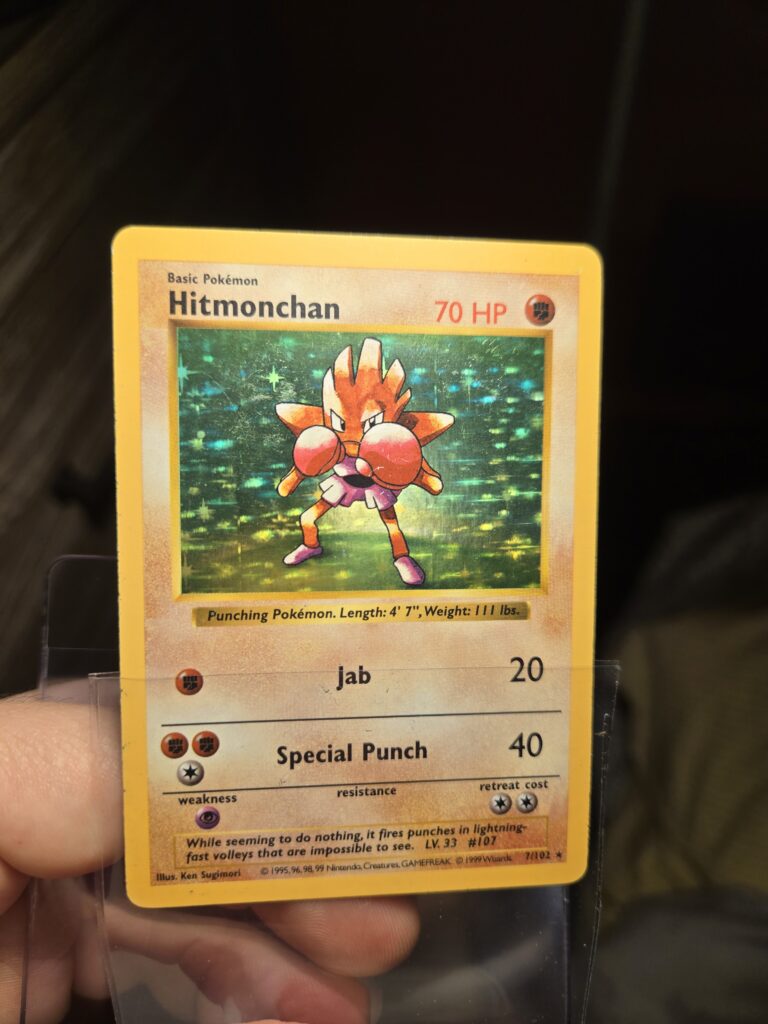
Pokémon cards bring excitement and big upside. The franchise rakes in cash, hitting $113.7 billion in total revenue by August 2025, topping even Mickey Mouse. Cards like rare Charizards hold value because Pokémon characters stay popular forever. They never retire, get injured, or hit scandals like sports stars do. Every pack has cards with lasting appeal for collectors and players building decks. This gives Pokémon cards a solid floor, even if hype fades. Some packs deliver strong returns, outpacing sports card boxes where most contents flop.
Head-to-head, Pokémon cards shine in stability over sports cards, but stacking them against managed funds gets trickier. Cards can surge 100% or more in hot years from scarcity and fan demand. A PSA 10 Base Set Charizard jumped from $5,000 to over $300,000 in peaks. Yet volatility hits hard. Prices swing with trends, fakes flood the market, and grading costs add up. You need storage, insurance, and know-how to spot gems. Liquidity lags too, selling fast means auctions or shops taking cuts.
Managed funds win on ease and lower risk. No expertise required, just buy shares and wait. Pokémon demands research on sets, print runs, and grading like BGS or PSA. Taxes differ, with cards often short-term gains at income rates versus funds’ lower long-term rates.
For small investors, Pokémon cards add fun diversification. Allocate 5-10% of your portfolio if you love the hobby. Track prices on sites like TCGPlayer or eBay sold listings. Buy sealed booster boxes from strong eras like Jungle or newer Scarlet & Violet sets for best odds. Hold graded high-end cards long-term.
Both paths build wealth, but Pokémon cards reward passion and timing more than managed funds’ set-it-and-forget-it style. Check recent sales data before diving in.