Are Pokémon Cards a Better Investment Than Luxury Watches Overall?
People love debating investments. Pokémon cards have exploded in popularity, with rare ones fetching huge prices at auctions. Luxury watches, like Rolex or Patek Philippe models, have long been status symbols for the wealthy. Both can grow in value over time, but which makes the smarter buy for your money? Let’s break it down step by step, looking at costs, returns, risks, and real-world factors.
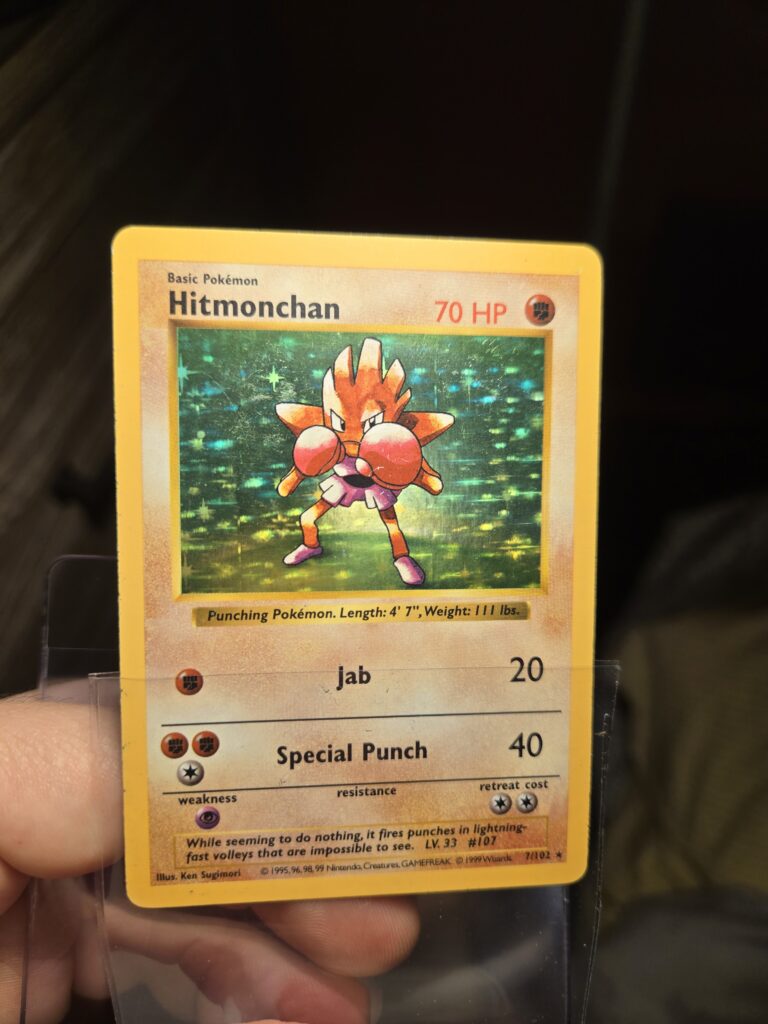
First, entry costs. Pokémon cards let you start small. A single Charizard from the original Base Set might cost $200 to $500 in good condition, and you can build a collection for under $1,000. Luxury watches demand big bucks upfront. Even a used Rolex Submariner runs $10,000 or more, and top-tier pieces like a Patek Nautilus hit six figures. If you have limited cash, cards win for accessibility.
Now, potential returns. Pokémon cards have seen wild growth. A first-edition Charizard sold for $420,000 in 2022, up from pennies in 1999. The market hit $11 billion in sales last year, driven by nostalgia and new collectors. Watches appreciate steadily too. A Rolex Daytona bought for $12,000 in 2010 might sell for $40,000 today. But cards often outpace them in short bursts. From 2020 to 2023, top Pokémon cards gained 300% on average, while luxury watches averaged 10-15% yearly. Data from sites like PriceCharting and WatchCharts back this up, showing cards’ volatility pays off big for patient holders.
Liquidity matters when you want to cash out. Selling a Pokémon card is quick online via eBay, TCGPlayer, or auctions. You might get paid in days, though fees eat 10-15%. Watches take longer. Private sales or dealers charge 20-30% commissions, and it can take weeks or months to find a buyer. Cards edge out here for speed.
Risks hit both hard. Pokémon cards face fakes everywhere. Ungraded cards lose value fast if damaged, and trends shift with new sets or hype cycles. The 2021 boom cooled in 2022, dropping some prices 50%. Watches deal with counterfeits too, but they’re rarer due to serial numbers and expert authentication. Economic downturns hurt both, but watches hold value better as “hard assets” during recessions. Maintenance is another factor. Cards need sleeves and top loaders, costing pennies. Watches require servicing every 5-7 years at $500-$2,000 a pop.
Storage and insurance add up. Keep cards in a climate-controlled safe for $100 a year in insurance. Watches need vaults or safes, with premiums at 1-2% of value annually, so $1,000+ for a $100,000 piece. Everyday enjoyment favors watches. You can wear one daily, building emotional value. Cards mostly sit in binders, unless you’re playing tournaments.
Market maturity plays a role. The luxury watch world has 100+ years of history, with established auction houses like Christie’s tracking values precisely. Pokémon cards are 30 years old, still maturing. Big investors like Logan Paul pour millions into cards, boosting prices, but watches attract billionaires and institutions for stability.
Taxes and regulations differ slightly. Gains on both are capital gains, but cards under $5,000 might fly under some radars for casual sellers. Watches trigger more scrutiny at high values.
For most folks chasing growth with modest funds, Pokémon cards offer higher upside and easier entry. Wealthy collectors might prefer watches for their polish and reliability. Track PSA-graded card populations on PokemonPricing.com to spot rising stars, or check auction results for both markets to decide. Your risk tolerance and timeline will tip the scales.