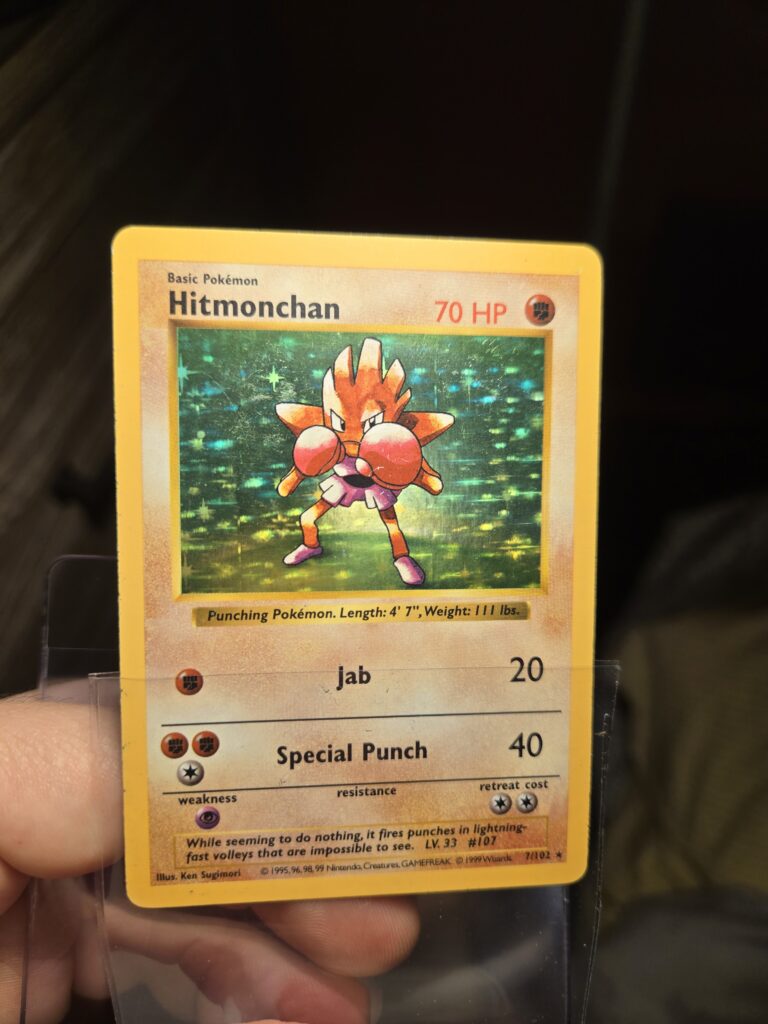
Are Pokémon Cards a Better Investment Than Luxury Fashion?
People often wonder if collecting Pokémon cards beats out buying luxury fashion items like designer handbags or sneakers for making money over time. Both can feel like smart ways to invest, but they come with big differences in risks, growth, and what drives their value.[1][2]
Start with Pokémon cards. Rare ones have exploded in price lately. In 2022, a top-grade Pikachu card sold for $5.275 million, and a mint condition first-edition Charizard went for $420,000. That’s like buying a house for a single card.[1] The whole trading card market jumped 700% since 2020, hitting $44 billion in 2023 and expected to double to $98 billion by 2030.[1] Pokémon leads this boom, thanks to new fans from the pandemic, celebrities like Logan Paul, and easy online selling on sites like Whatnot, where Pokémon cards mix with other collectibles.[1][2] Platforms like these make it simple to buy, sell, or even own fractions of rare cards without spending a fortune.[1]
Luxury fashion works differently. Think high-end sneakers or bags from brands like Louis Vuitton or Gucci. Sites like Whatnot, StockX, and GOAT sell them alongside cards, but with heavier focus on fakes and authentication.[2] These items can hold value if they’re limited editions or hyped by trends, and Black Friday sales show strong demand for fashion alongside toys and cards.[4] Whatnot grew to $359 million in revenue in 2024 by selling both, charging sellers about 8% per deal.[2] Still, luxury faces tough competition and risks like counterfeits, which hurt trust more than in cards where grading services like PSA help spot fakes.[1][2]
Now compare returns and risks head-on. Pokémon cards have seen wild gains from hype—early buyers cashed in big as new money flooded in, much like crypto booms.[1] The market grows at 8.2% a year, outpacing many traditional investments.[1] But it’s volatile: not every card wins. Mass-produced ones from the 90s are worth pennies now, just like old baseball cards that boomers saved but lost value.[3] You need to know grading (like PSA 10 for perfect condition), rarity, and trends to pick winners.[1]
Luxury fashion can appreciate too, especially streetwear sneakers or bags that become status symbols. But it dilutes faster with trends— what’s hot today might flop tomorrow, and fakes flood the market without strong checks.[2] Boomers learned this with “luxury” items like figurines or plates that sold for $25 to $75 but now fetch under $10.[3] Fashion has a bigger total market, but Pokémon’s niche passion keeps demand steady among younger collectors.[1][2]
Liquidity matters for investors—how fast you can sell without losing money. Pokémon cards trade daily on apps and auctions, often with live streams building buzz.[2] Luxury might sit longer, especially pricier pieces, though resale sites speed it up.[2] Storage is easier for cards (sleeves and binders) versus fashion that needs climate control to avoid damage.
For beginners, Pokémon cards might edge out if you stick to what you know—like your favorite sets—and use price trackers on sites like ours. Luxury demands spotting real deals amid fakes and shifting tastes. Both beat sitting cash in a bank sometimes, but cards ride a hotter growth wave right now.[1][2]