Are Pokémon Cards a Better Investment Than Lorcana Cards?
If you are looking at trading cards as a way to grow your money over time, Pokémon cards often come out ahead of Lorcana cards right now. Pokémon has a much longer track record and bigger market support that makes it more reliable for investors.[1] Lorcana, a newer game from Disney, has excited fans since its 2023 launch, but it lacks the deep history and proven returns that Pokémon offers.
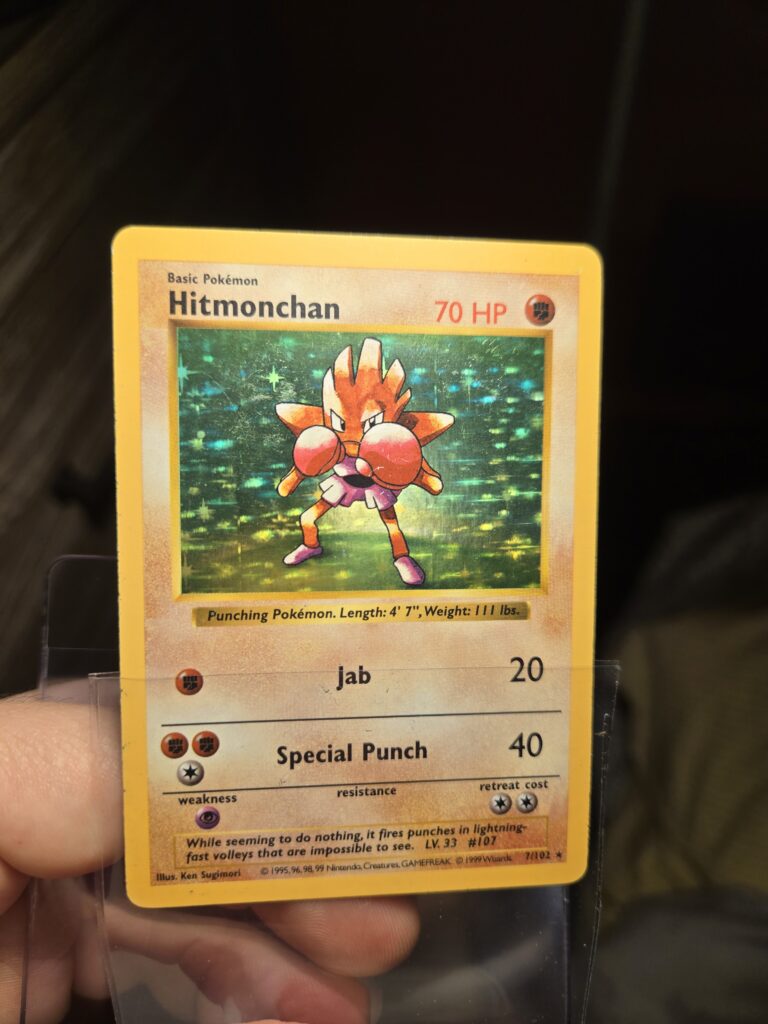
Pokémon cards have been around since 1996, giving them almost 30 years of ups and downs to build value. Data shows Pokémon investments returned about 3,821 percent since 2004, beating the stock market’s S&P 500 over that time.[1] This comes from iconic cards like first edition Base Set Charizards or trophy cards that fans chase no matter what. The whole trading card game market hit $7.5 billion in 2025, with Pokémon as a top player driving steady 7 to 8 percent growth each year.[1] Sealed products like booster boxes from older sets, such as Sun and Moon, have seen huge gains. Four years ago, you could buy those boxes cheap, and now they deliver massive returns thanks to rare graded cards inside worth thousands in PSA 10 condition.[2]
Recent Pokémon sets keep performing too. Take Pokémon 151, a fan favorite with cards like Bulbasaur pulling $43 each and booster packs jumping from $9 to $15 in a year.[3] Even with some modern sets like Sword and Shield dipping in price, experts see total set values climbing back up soon.[2][5] Top singles from these eras still hold strong overall value, around $13,000 for the top 20 cards per set.[5] In 2025, high-end Pokémon cards like Paradise Resort from Worlds hit market prices over $247.[6] This liquidity means you can buy and sell easily without losing much.
Lorcana cards, on the other hand, started fresh and rely on Disney hype. They have cool art and characters like Elsa or Mickey, drawing quick interest. But without decades of collector data, prices swing more wildly based on new releases. Forums debate long-term picks between graded chases or sealed promo packs, but no one has hard numbers yet like Pokémon’s track record.[7] Lorcana’s market is smaller and newer, so it faces risks if hype fades or reprints flood supply.
What makes Pokémon stand out for investment? First, nostalgia. Older players who grew up with it now buy for their kids, keeping demand high. Second, grading boosts value big time. A raw chase card might sell for $300, but a PSA 10 version jumps to $6,000 with few copies around.[2] Tools like PriceCharting make it simple to check raw or graded prices fast.[4] Pokémon also has global events like Worlds that spike values every year.[6]
For Lorcana, the bet is on future growth. If Disney pushes hard with movies and crossovers, it could catch up. But right now, it is like betting on a young athlete versus a hall of famer. Pokémon reached blue-chip status in just 25 years, while Lorcana is still proving itself.[1]
Investors on sites like PokémonPricing.com often pick sealed Pokémon product for the long haul. Booster boxes from sets with classic art hold up even in dips.[2] Check current prices on TCGPlayer, eBay, or PriceCharting to spot deals, and always grade key cards.[4] Both games can be fun to collect, but for steady gains, Pokémon edges out Lorcana based on history and market size.