Are Pokémon Cards a Better Investment Than LEGO Sets?
People love collecting Pokémon cards and LEGO sets. Both can grow in value over time. But which one might give you better returns if you want to invest? Let’s break it down with real examples and numbers.
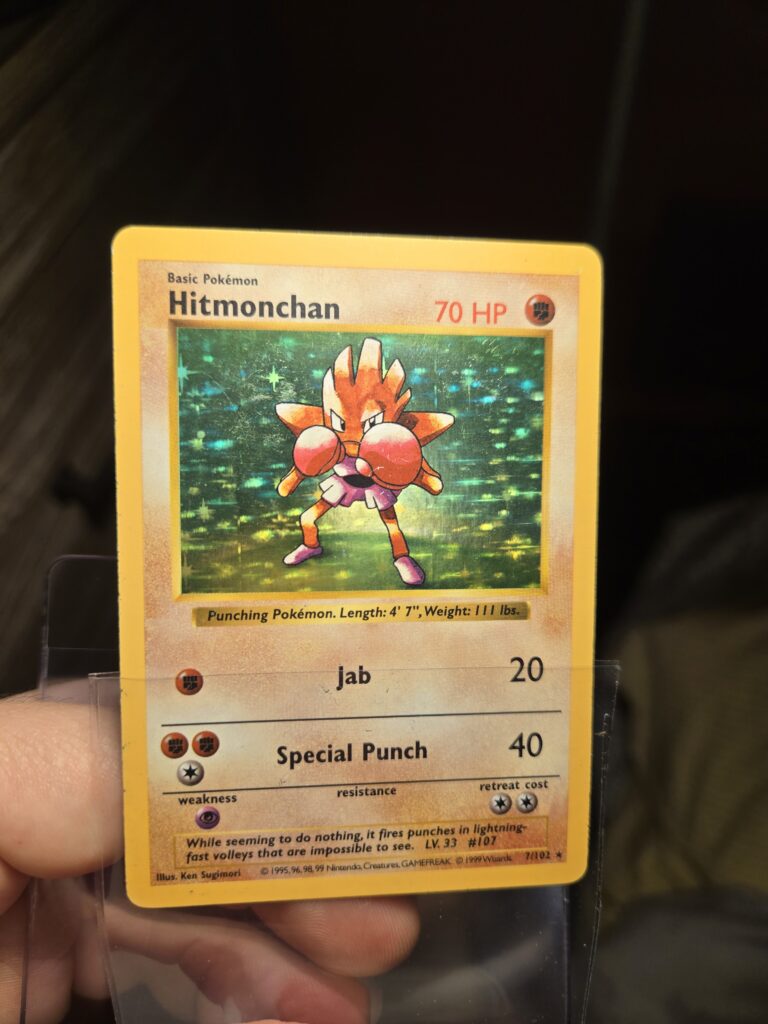
First, look at Pokémon cards. These have exploded in popularity. In 2022, a top-grade Pikachu card sold for $5.275 million. Another rare Charizard went for $420,000. The market for graded trading cards like these grew 700% since 2020, thanks to fans of sports and pop culture.[1] AI models predict strong growth too. They see Pokémon cards returning 1.5% in three months, 28.8% in one year, and 147.5% in five years on average.[2] Singles cards from recent sets can swing a lot in price, but sealed booster boxes tend to rise more steadily.[3]
Now, LEGO sets. A study from 1987 to 2015 found they average 11% returns each year. That beats stocks, bonds, and gold over that time. Some sets, like the Millennium Falcon, jumped 8,000% since release.[1] Nostalgia drives this. Older sets from decades ago sell for way more than their original price.
Both have upsides. Pokémon cards can skyrocket fast with hype around rare finds. LEGO offers steadier growth if you pick unopened sets from the past. But risks exist for each. Card prices drop quick during market dips, like with top singles lately.[3] LEGO needs storage space and can get damaged. Selling either takes knowledge of what collectors want right now.
Passion matters most. If you love Pokémon, tracking card prices on sites like ours makes sense. LEGO fans might enjoy building then holding sets. Start small, buy what you know, and watch trends. Returns vary by what you pick and when you sell.