Are Pokémon Cards a Better Investment Than Film Memorabilia?
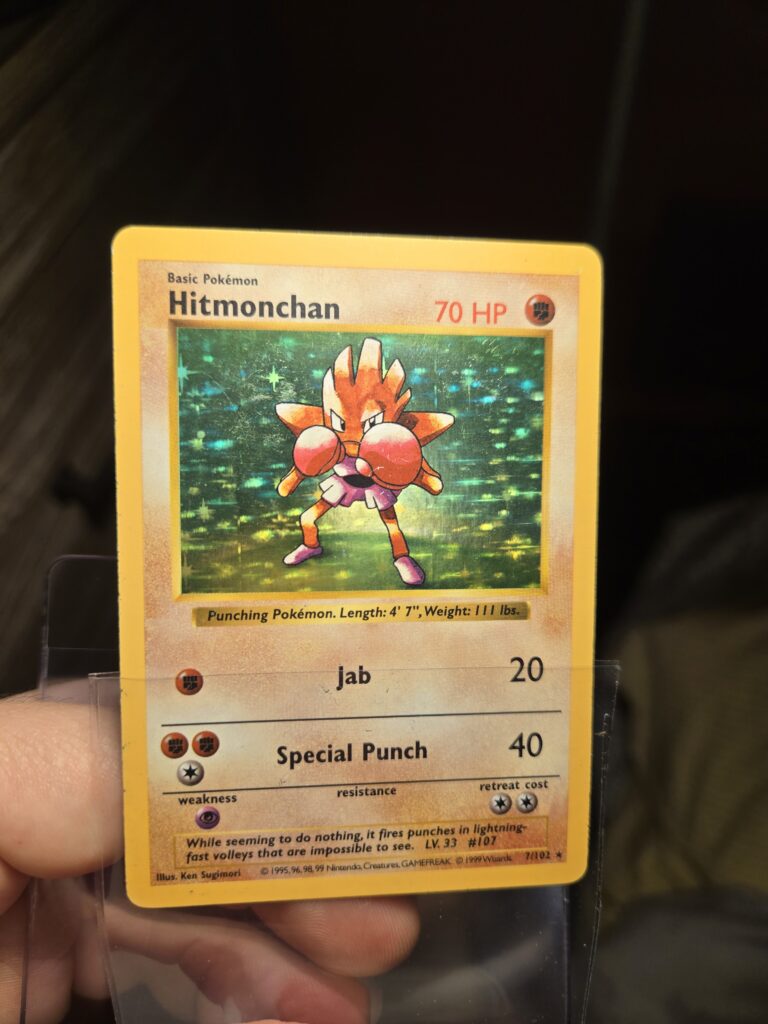
If you are thinking about putting money into collectibles, Pokémon cards often beat out film memorabilia for growth speed and ease of buying and selling. Pokémon cards have shown huge returns, like 3,821 percent since 2004, which tops the S&P 500, thanks to a focused fan base around key sets and characters.[1] Film memorabilia, such as movie posters or props, can gain value too, but it spreads across many films, actors, and eras, making it harder to predict winners without deep movie knowledge.
The trading card world, including Pokémon, hit about 7.5 billion dollars globally in 2025, with steady growth of 7 to 8 percent each year.[1] Pokémon sits in the trading card game part of that market, valued at 7.51 billion dollars, while sports cards are bigger at nearly 13 billion dollars in 2024.[1] What sets Pokémon apart is how fast it built “blue-chip” status in just 25 years. Think 1st Edition Base Set cards or trophy cards from big characters, which act like rare vintage items but with better liquidity for quick sales.[1]
Film memorabilia grows on nostalgia from blockbuster hits, like a lightsaber from Star Wars or an original screenplay. These can skyrocket if a movie gets a remake or anniversary buzz. But values tie to one-off items, and fakes are common without expert checks. Pokémon cards benefit from constant new releases, grading services like PSA that boost trust, and a global player base that keeps demand high year-round.[2][4]
Look at real Pokémon examples. Booster boxes from Sun and Moon sets bought four years ago have made massive gains, as top chase cards jumped from 300 dollars raw to 6,000 dollars in PSA 10 grade due to low supply.[2] Sets like Pokémon 151 show sealed packs rising from 9 dollars to 15 dollars in a year, driven by fan favorites like Bulbasaur cards over 40 dollars each.[3] Even in dips, like Sword and Shield era boxes pulling back from peaks, total set values from top singles hold strong around 13,000 dollars or more.[5]
Top Pokémon singles in 2025, such as Paradise Resort from World Championships, hit market prices near 250 dollars.[6] Graded gems like a PSA 10 Rayquaza V-MAX reach 1,400 to 1,500 dollars, with raw versions at 630 dollars.[4] These numbers come from easy tools like Price Charting or TCGPlayer, where you search and see sold prices fast.[4]
For long-term holds, Pokémon icons concentrate value better than film items scattered across genres. Sports cards took decades to mature, but Pokémon did it quicker with reliable preservation and sales data.[1] Film stuff shines for unique stories, like a prop from a cult classic, yet lacks Pokémon’s frequent hype cycles from new games and shows.
Investors eye sealed products or graded chase cards for Pokémon, as both hold upside.[7] Recent market wobbles, like FOMO-driven spikes and drops, still leave room for climbs in undervalued sets with classic art.[2][5] Film memorabilia demands storage care and auction timing, while Pokémon trades daily online with clear price guides.
Pokémon cards offer simpler entry for most collectors, with lower risk on icons versus betting on the next big movie relic. Check current prices on sites like ours to spot deals in vintage or fresh sets.