Are Pokémon Cards a Better Investment Than Designer Furniture?
People often wonder if collectibles like Pokémon cards can beat out big-ticket items like designer furniture when it comes to growing your money over time. Both can hold value and even go up in price, but they play by different rules. Pokémon cards have shown some eye-popping gains lately, while designer furniture tends to be a slower, steadier bet tied to trends in home decor and luxury goods.
Start with the numbers on Pokémon cards. The global trading card market, which includes Pokémon, hit about $7.5 billion in 2025 and keeps growing at 7 to 8 percent a year.[1] Pokémon itself has been a standout. Data from Card Ladder shows it delivered 3,821 percent returns since 2004, way ahead of the stock market’s S&P 500.[1] That means if you put money into the right vintage cards or sealed products back then, your investment could have multiplied many times over. Even now, sets like Pokémon 151 have booster packs jumping from $9 to $15 in just a year, with top cards pulling in hundreds or thousands depending on condition.[4] Newer stuff like Pikachu ex dipped 10 to 15 percent after a hype surge early in 2025, but reprints and big events like the 30th anniversary in 2026 are pushing nostalgic cards up 25 to 40 percent.[2] Sealed booster boxes from older eras, like Sun and Moon or Sword and Shield, have made investors big returns if bought low years ago, and some are still undervalued compared to their total card values.[3]
Designer furniture is another story. Think high-end pieces from brands like Herman Miller or Knoll, or vintage icons from Eames or Saarinen. These can appreciate, especially mid-century modern styles that have surged in popularity. A classic Eames lounge chair might cost $5,000 to $10,000 today and hold or gain value over decades if kept in good shape. But gains are usually modest, around 5 to 10 percent a year for top pieces, driven by interior design cycles, auctions, and celebrity endorsements. The market is smaller and less liquid than cards, meaning it can take months or years to sell without losing money on fees. Storage is a hassle too, since furniture takes up space and needs climate control to avoid damage.
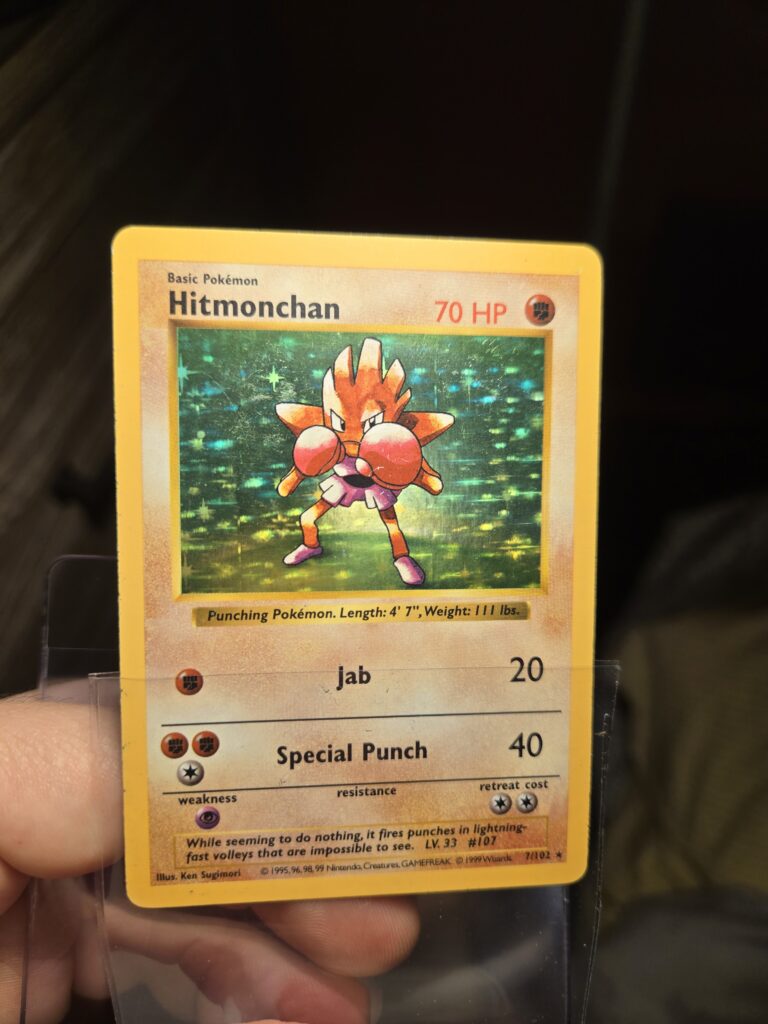
What makes Pokémon cards stand out for investors? Speed and accessibility. The market moves fast with new sets every few months, creating chances to buy low during dips and sell high on hype. Top cards from Base Set or trophy winners act like blue-chip stocks, with reliable long-term demand from fans worldwide.[1] You can start small, say with a $100 booster box, and flip it later without needing a warehouse. Liquidity is key, too, thanks to sites tracking real-time prices and easy sales on marketplaces. Even in down markets, like the Sword and Shield era dip in 2025, total set values for top singles hovered around $13,000 to $14,000, showing underlying strength.[6]
Furniture wins on tangibility and use. You can sit on a chair or display a table while it appreciates, unlike cards that sit in slabs or binders. But it lacks Pokémon’s explosive growth. Furniture rarely sees 3,000 percent runs because it’s not fueled by a global fanbase, video games, or annual releases. Economic shifts hit decor harder, too, like recessions cutting luxury spending.
Risks exist on both sides. Pokémon prices swing with print runs, now at 10.2 billion cards in 2025 to cool inflation, and fads can fade.[2] Graded cards in PSA 10 condition fetch top dollar, but lower grades drop fast, like a near-mint at $720 versus played at $559.[5] Furniture risks include wear, style changes, or fakes. Both need research, like checking Price Charting for cards or auction records for pieces.[5]
For someone eyeing quick flips or long holds, Pokémon cards often edge out thanks to that proven track record and market buzz. Vintage icons and sealed product mimic fine art without the massive upfront cost. Designer furniture suits patient buyers who enjoy the items daily. It boils down to your goals, risk tolerance, and how much you follow the scene.