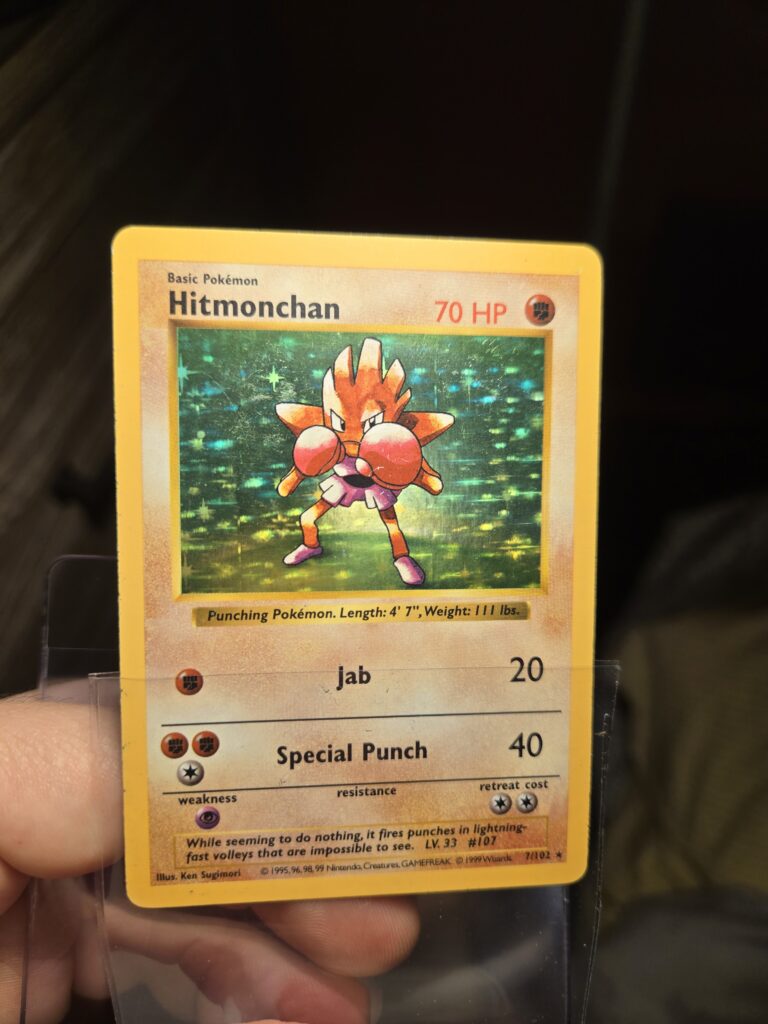
Are Pokémon Cards a Better Investment Than Crypto ETFs?
People often wonder if collecting Pokémon cards beats putting money into crypto ETFs. Crypto ETFs track digital coins like Bitcoin through stock exchanges, offering easy access without buying coins directly. Pokémon cards, on the other hand, are physical items you buy, grade, and hold for value growth. Both can rise or fall sharply, but they work in different ways.[1]
Start with the upsides of Pokémon cards. The global trading card market hit about $7.5 billion in 2025, with steady growth around 7 to 8 percent each year. Pokémon cards stand out for long-term gains. Data shows they returned roughly 3,821 percent since 2004, beating the S&P 500 stock index by a wide margin. Top cards like first edition Base Set or trophy cards act like reliable assets, similar to vintage collectibles. Their value comes from rarity, condition, and fan demand that lasts decades.[1]
Crypto ETFs shine in liquidity and speed. You can buy or sell shares anytime markets are open, often with low fees. Bitcoin ETFs, for example, surged over 100 percent in some years, drawing big investors. But they swing wildly with news, regulations, or tech hype. A single tweet or government rule can wipe out gains overnight.
Pokémon cards offer more stability in some ways. Values tie to physical scarcity, not just market mood. Graded cards in PSA 10 condition hold steady or climb as supply dries up. Vintage sets like Sun and Moon booster boxes bought years ago turned huge profits, with chase cards jumping from $300 raw to $6,000 graded. Newer sets from Sword and Shield dipped recently but hover near key support levels around $13,500 for top singles value. Undervalued picks, like certain Twilight Masquerade cards, can double fast once printing stops.[2][3][5]
Risks hit both hard. Crypto ETFs face hacks, bans, or crashes, like the 2022 drop. Pokémon cards deal with fakes, condition damage, and hype bubbles. Recent Sword and Shield sets fell from peaks due to overbuying from FOMO. Prices vary by site: TCGPlayer, eBay, or PriceCharting show raw cards at $630 and PSA 10s at $1,400 or more for gems like Rayquaza V-Max. Even damaged ones sell for hundreds if rare.[4][5]
Liquidity favors crypto. Sell ETF shares in seconds. Pokémon cards take days or weeks via auctions, and fees for grading or shipping add up. Storage matters too: cards need sleeves and slabs to avoid wear, while ETFs sit digitally.
For long-term holds, Pokémon edges out if you pick icons. It matured into a blue-chip market faster than expected, with less spread across players or eras like sports cards. Crypto ETFs grow with tech adoption but lack that tangible feel. Top 2025 cards like Paradise Resort hit $247 market price already.[1][6]
Buy what you enjoy. Check recent sales on PriceCharting or TCGPlayer for real values. Sealed products or graded chases often win over loose modern cards. Both beat sitting cash, but diversify to sleep easy.[3][4][7]