Are Pokémon Cards a Better Investment Than Classic Cars?
People love collecting things that might make them money over time, like Pokémon cards or classic cars. Both can grow in value, but which one is smarter for your wallet? It depends on what you want from your investment, how much cash you have, and how hands-on you like to be. Let’s break it down with real numbers and facts so you can decide.
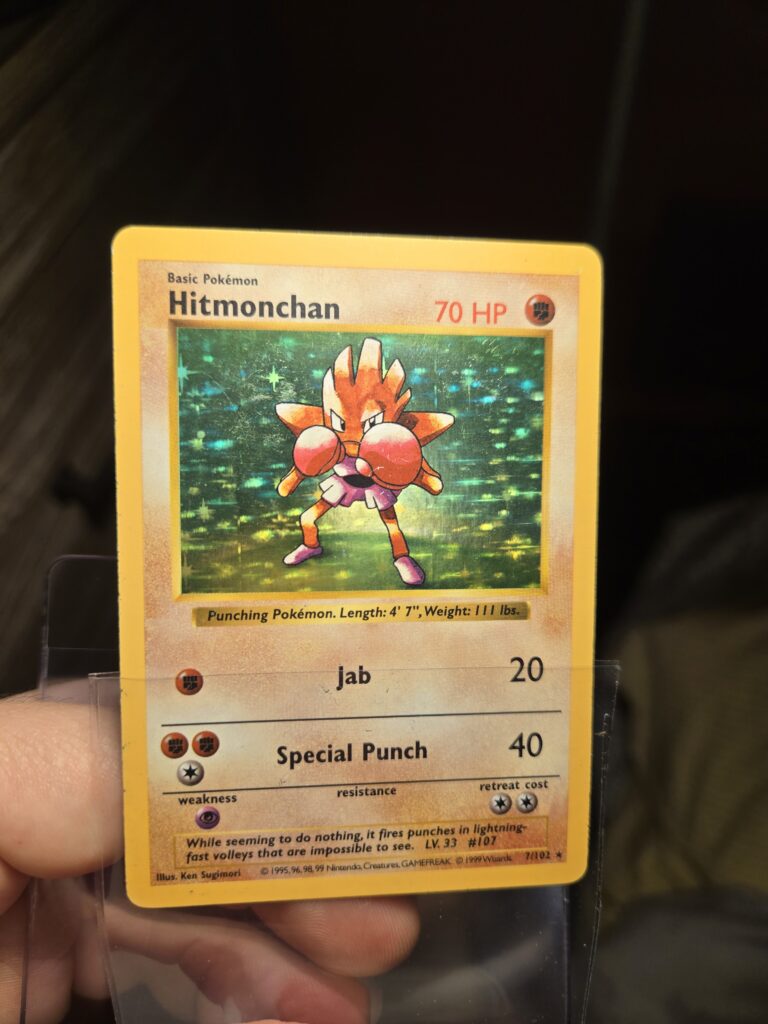
Start with Pokémon cards. These have exploded in popularity lately. The trading card market hit 44 billion dollars in 2023 and could double to 98 billion by 2030, growing at 8.2 percent a year.[1] That’s faster than many other investments. Why? The pandemic got folks into new hobbies, and stars like Logan Paul jumped in. He dropped 5.275 million dollars on a perfect PSA 10 Illustrator Pikachu in 2022.[1] Other big sales include a Shadowless 1st Edition Holo Charizard for 420,000 dollars that same year.[1] Even newer ones shine: a Pikachu MTG Stock Test Proof sold for 45,000 dollars in June 2025.[2] Gold Star cards are hot too, like a Holographic Gold Star Torchic that went for 43,200 dollars in 2022 because only 19 perfect copies exist.[2]
What makes Pokémon cards appealing? They are cheap to start. You can buy a single card for under 10 dollars or chase rares without needing millions. Store them in sleeves in a binder, no garage required. Sell fast on sites like eBay or auctions. Prices swing with hype, though. A card hot today might cool off if trends shift. Still, top cards have beaten the stock market for some collectors who buy low and hold.
Now classic cars. These are big-ticket items with real perks. You can drive them, unlike cards. Over the last 10 years, they averaged 8.8 percent returns yearly, with the market set to grow at 6.1 percent through 2028.[1] Think 1955 Porsche 356 Speedster or Aston Martin V8. Full cars cost hundreds of thousands, but platforms like Rally Rd let you buy shares for small amounts, say 100 dollars.[1]
Cars need work, though. Fix rust, change oil, insure them. Storage eats space and money. Sell slower than cards, and values dip with gas prices or economy woes. They hold steady for patient owners who enjoy the ride.
Compare the two side by side. Pokémon cards win on growth speed and low entry cost. That 8.2 percent projected rise beats cars’ 6.1 percent.[1] Cards are liquid, meaning easy to cash out quick. No maintenance headaches. But they are riskier, tied to fan trends and fakes. Classic cars offer steady gains and fun utility, but demand big bucks upfront and ongoing care.
Passion plays a role. Love Pokémon? Researching card grades and sales on sites like PokemonPricing.com feels like a game. Car fan? Polishing a vintage ride beats staring at cardboard. Many collectors mix both for fun and profit.[1]
Numbers show cards pulling ahead lately with mega sales, but cars have longer track records. Track recent auctions for cards and check car indices to see what’s hot now. Your best bet matches your style and budget.