Are Pokémon Cards a Better Investment Than Car Flipping?
If you are looking for ways to make money with your spare time and cash, you might wonder about flipping Pokémon cards versus flipping cars. Both can turn a profit, but they work in different ways. Pokémon cards involve buying rare ones low and selling high to collectors, while car flipping means buying used cars, fixing them up, and reselling for more. Let’s break it down simply to see which might suit you better.
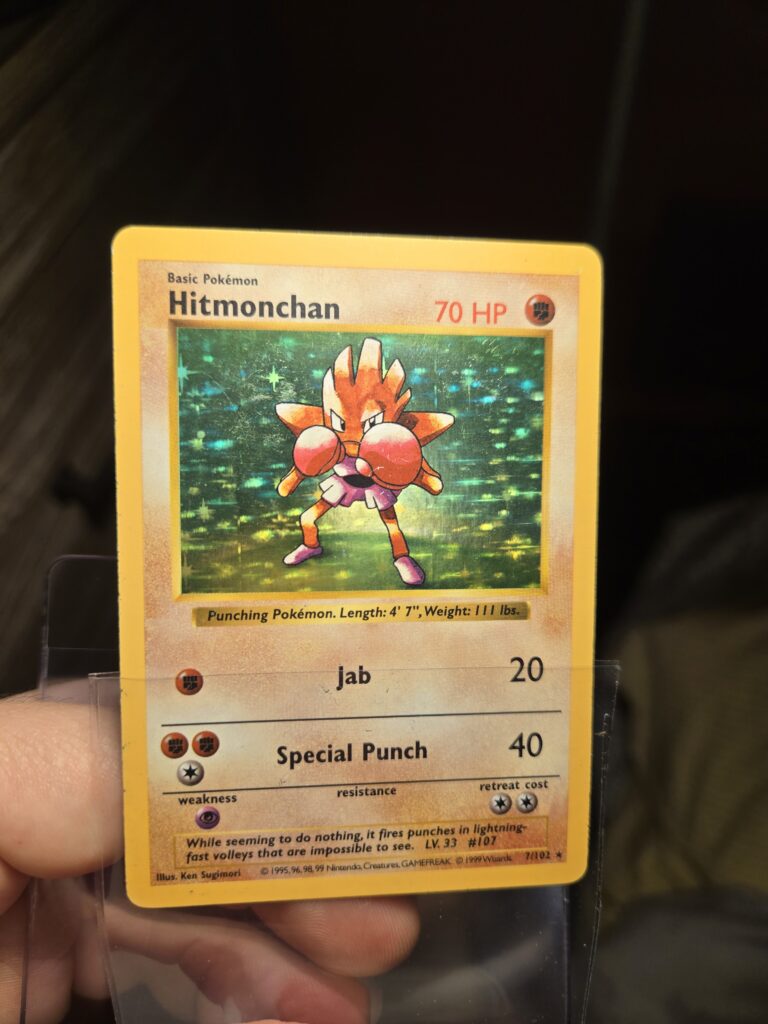
Start with Pokémon cards. These have exploded in value lately. In 2022, a top-grade Pikachu card sold for 5.275 million dollars to Logan Paul[1]. Another rare Charizard went for 420,000 dollars that same year[1]. The whole trading card market hit 44 billion dollars in 2023 and could double to 98 billion by 2030, growing at 8.2% each year[1]. This boom came from people starting hobbies during the pandemic and stars like influencers jumping in. It creates chances for quick flips, much like early crypto investors cashing in on hype. You do not need much space, just good eyes for deals on sites like eBay or auctions. Low entry cost helps too, since you can start with a few hundred dollars on one card.
Now look at car flipping. You buy a cheap used car, maybe one with dents or engine issues, spend on repairs, and sell it fast. Profits come from knowing cars well, like spotting undervalued models or negotiating deals at auctions. A typical flip might net 1,000 to 5,000 dollars per car after costs, but it takes weeks or months. You need a garage or lot for storage, tools, and often a mechanic’s skills. Gas, parts, and transport add up quick. Bigger wins happen with classic cars, where you can buy shares in something like a 1955 Porsche through platforms that split ownership[1]. Still, full cars demand thousands upfront and tie up your time driving or fixing.
Compare the risks. Pokémon cards can spike fast from trends or grading scores, but values drop if hype fades or fakes flood the market. You must learn grading like PSA 10 for gems to avoid losses[1]. Cars face mechanical surprises, market slumps, or slow sales in bad weather. Both need market knowledge, but cards store easy without maintenance. No oil changes or registration fees.
Time and effort differ a lot. Flip a Pokémon card in days online. A car might sit for a month waiting for a buyer. Cards fit busy schedules better, especially if you know the game from playing as a kid.
Upfront money varies. A hot Pokémon card costs 100 to 1,000 dollars to start flipping smaller lots. Cars start at 2,000 dollars or more, plus fixes. Fractional shares help both, like buying pieces of rare cards or classics without full price[1].
Scalability is key. Build a Pokémon card collection over time, flipping batches as values rise. Car flipping scales with space and team, but limits hit quick without a lot.
For most folks chasing side cash, Pokémon cards edge out as easier to start and less hassle. They match the collectibles boom right now[1]. Car flipping suits hands-on types with car know-how. Pick based on your skills and what you enjoy. Check prices daily on sites like ours to spot real deals in either.