Are Pokémon Cards a Better Investment Than Autographed Items?
People often wonder if collecting Pokémon cards beats investing in autographed items like signed sports memorabilia. Both can grow in value over time, but they come with different risks and rewards. Pokémon cards tend to offer more steady long-term gains for most collectors, while autographed items can swing wildly based on fame and condition.[1]
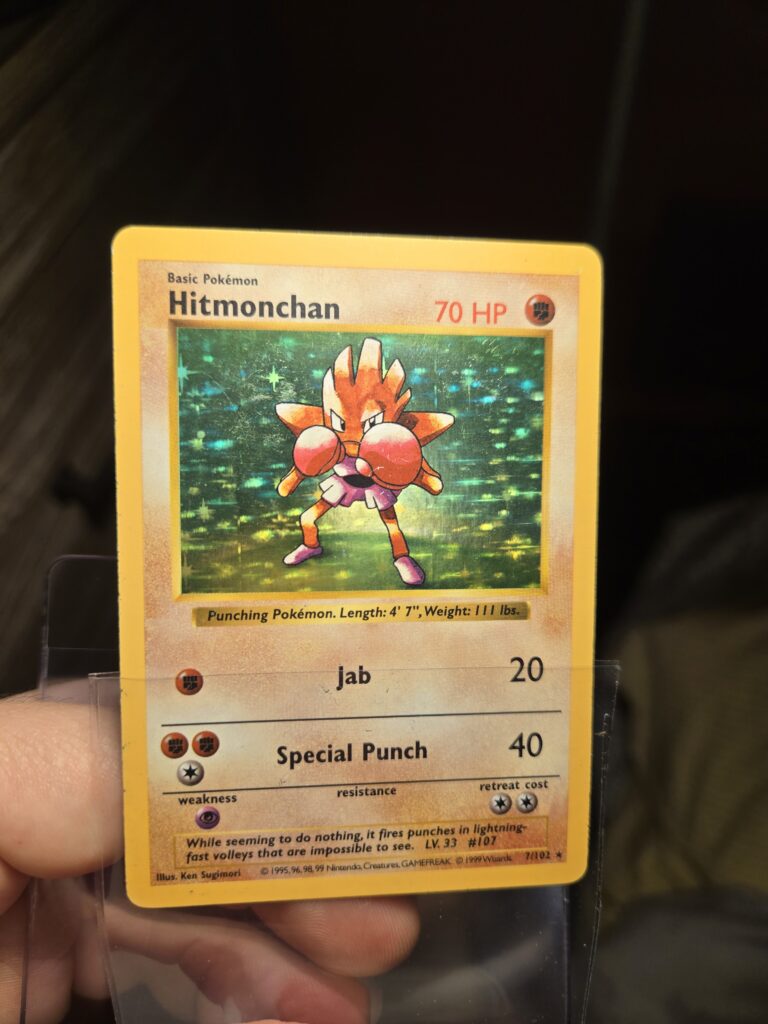
Pokémon cards have shown strong returns. Data from Card Ladder shows they delivered about 3,821 percent growth since 2004, beating the stock market’s S&P 500. This comes from a small group of top cards like first edition Base Set holos and trophy cards featuring icons such as Charizard. These hold value because they tie to the Pokémon franchise’s lasting popularity, not changing real-world events. Their prices move slower and stay more predictable, making them great for people who want stability over quick flips.[1]
Autographed items, often sports stars’ signed cards or photos, work differently. Their worth links directly to the person’s career. A star like Luka Doncic might see his signed rookie card hit $800 or more if graded high by PSA or BGS. But an injury or career dip can tank the price overnight. Grading helps here too, proving the signature is real and the item is in top shape, which boosts buyer trust and resale value.[2]
Grading matters for both, but it hits autographs harder. Companies like PSA check authenticity, centering, and edges. A fake autograph is worthless, so certification from a big name like PSA adds huge confidence and often doubles or triples the price. Pokémon cards face fakes too, but their value relies more on rarity and nostalgia than a signature’s proof.[1][2]
Liquidity is another edge for Pokémon. Top cards sell fast worldwide through shows, auctions, and online markets. Autographed pieces might take longer to move if the athlete fades from headlines. Storage and protection are key for both, though. Keep them in slabs or safe cases to avoid damage that kills value.[1]
Pokémon suits collectors who love nostalgia and low drama. Autographs appeal to fans who track sports and time their buys. Recent sales show Pokémon’s power, like a rare card traded for $30,000 at GameStop, close to its $34,883 fair market value.[3]
In the end, Pokémon cards often win for reliable growth without betting on one person’s success.