Are Pokémon Cards a Better Investment Than Art Funds?
People often wonder if collecting Pokémon cards beats putting money into art funds for growing wealth. Both are alternative investments outside stocks or bonds, but they work differently. Art funds pool investor cash to buy famous paintings and share the profits when sold. Pokémon cards are individual items you buy, grade for quality, and flip based on demand.
Art has a strong track record. From 1995 to 2020, contemporary art returned 14 percent a year on average, beating the S&P 500 at 9.5 percent, gold at 6.5 percent, and U.S. housing at 4.3 percent.[1] Funds make it easier for regular folks to join without spotting fakes or storing giant canvases. But art moves slow, with sales every few years, and experts handle most decisions.
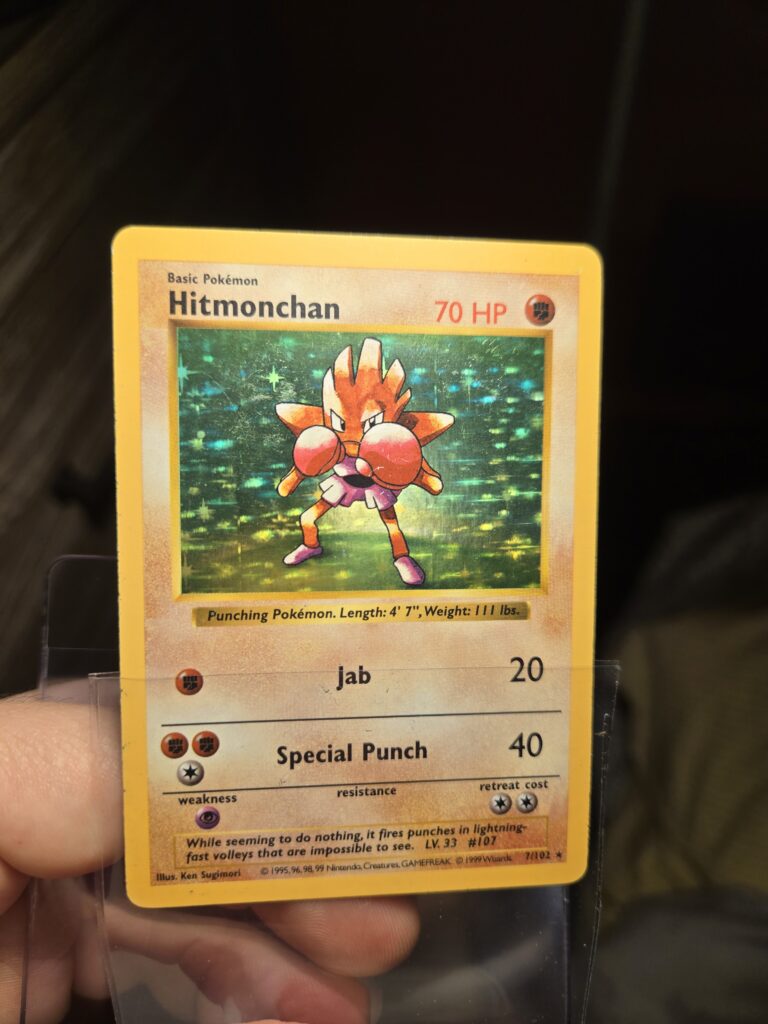
Pokémon cards exploded lately. The trading card market hit 44 billion dollars in 2023 and could double to 98 billion by 2030, growing at 8.2 percent a year.[1] Prices soared during the pandemic as new fans and stars like Logan Paul jumped in. He dropped 5.275 million dollars on a top-grade Illustrator Pikachu in 2022, and a perfect Shadowless first-edition Charizard fetched 420,000 dollars that year.[1] Graded cards by PSA saw the market grow 700 percent since 2020.[1]
Card values hinge on rarity, condition, and hype. A PSA 10 grade can boost a Charizard VSTAR to way more than a PSA 8, where condition sways up to 80 percent of the price.[3] Sites like PriceCharting.com track Pokémon sold prices to gauge worth.[2] But unlike art, cards swing wild. Most do not beat inflation long-term, and only rare ones shine.[2]
Art funds offer steady history and pro management, while Pokémon cards give quick flips and fun if you love the hobby. Cards cost less to start, with packs or singles under 100 dollars, but grading fees add up. Art needs big minimums, often thousands. Both face risks like market crashes or fads fading. Check recent sales on PokémonPricing.com before buying. Passion drives card collectors more than pure profit.[2]