Are Pokémon Cards a Better Investment Than Agricultural Commodities?
People often wonder if collecting Pokémon cards can beat out traditional investments like farming goods. Agricultural commodities include things like wheat, corn, soybeans, and even pastured chicken, which are basic products grown or raised for food and trade. These have been around for centuries as steady ways to store value, but they come with ups and downs from weather, global demand, and market shifts. Pokémon cards, on the other hand, are part of a hot collectibles market driven by nostalgia, rarity, and fan excitement.
Let’s look at commodities first. Take pastured chicken as an example. Farms like Miller’s Bio Farm sell whole birds raised without corn or soy, air-chilled for top quality, aiming for a perfect balance of healthy fats. Prices for these stay fairly stable because food is always needed, but they do not skyrocket. A whole pastured chicken might cost around what it did last year, with small changes based on feed costs or supply. Broader commodities like corn or soybeans fluctuate more, sometimes doubling in a bad harvest year, but they often average out over time with low long-term gains after inflation.
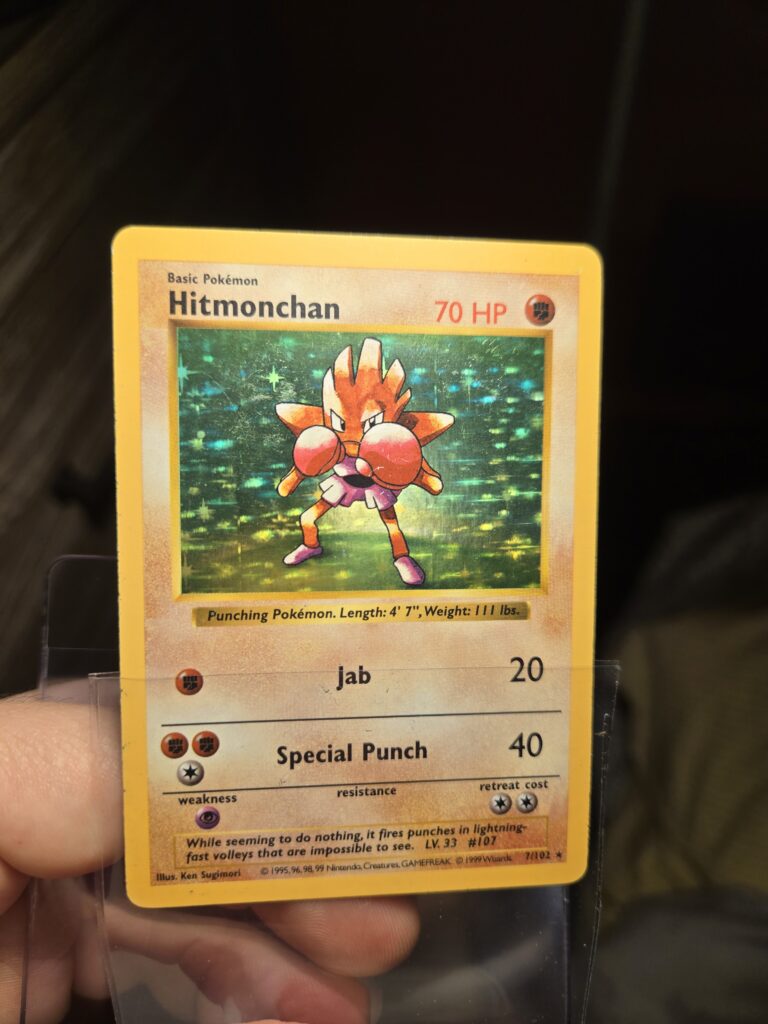
Now shift to Pokémon cards. The market has exploded lately. Apps like Whatnot let people buy, sell, and watch live streams of rare cards being opened, pulling in huge investor cash. Just recently, Whatnot raised 150 million dollars from big Silicon Valley firms, hitting a 1.5 billion dollar valuation in under two years. It started with geeky items like Pokémon cards and Funko Pops, and investors like those from Andreessen Horowitz and Y Combinator see massive growth potential. Rare cards from early sets can sell for thousands, way more than their original penny price, thanks to limited supply and booming demand from collectors worldwide.
Comparing returns paints a clear picture. Commodities offer reliable but modest growth, often 2 to 5 percent a year after costs, tied to real-world needs. Pokémon cards have shown wilder swings, with top pieces gaining 100 percent or more in months during hype cycles, like during the pandemic boom. Platforms like Whatnot prove venture money is flowing in, treating cards as the next big thing alongside sneakers and vintage fashion. Yet cards carry bigger risks, like fads fading or fakes flooding the market, unlike commodities backed by endless food demand.
For everyday investors on PokemonPricing.com, cards shine if you pick winners like first-edition Charizards or chase trends via live auctions. Commodities suit those wanting sleep-at-night stability, but they rarely deliver the thrill or quick flips of a sealed booster box that doubles in value. Track prices here to spot deals, and weigh your risk tolerance before diving in.