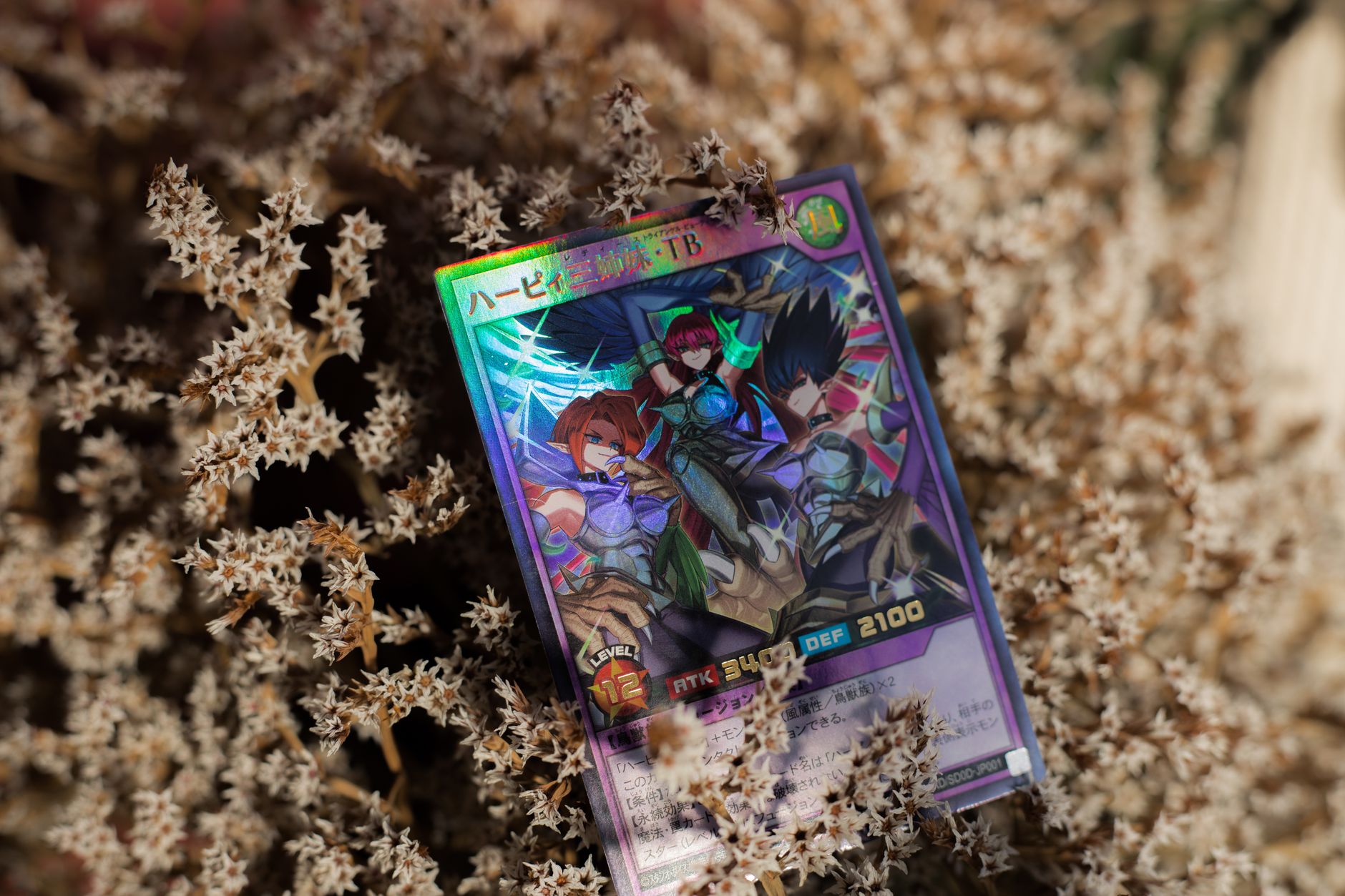
Japanese cards are the better investment for modern chase cards, but English prints are better for vintage high-grade cards. A chase card is the rare, low-pull card that drives most of a set's resale value. Modern Japanese PSA 10 copies often trade at a premium because they grade well. Vintage English cards draw deeper Western nostalgia demand and much smaller high-grade populations.
Table of Contents
- Why does modern Japanese win?
- Why does vintage English cost more?
- What do boxes tell investors?
- Where do play rules and rarity fit?
Why does modern Japanese win?
PokeInsider reports modern Japanese PSA 10 chase cards from 2024–2026 command about 20–40% premiums over the same English cards, partly because Japanese prints gem at higher rates, in its market split analysis. That premium rewards buyers who grade pack-fresh cards quickly. It fades for played or lower-grade copies.
Print quality explains much of the gap. Pull Club HQ reports Japanese stock measures about 0.32–0.34mm versus about 0.30mm for English, with tighter centering and rarer edge whitening, so pack-fresh Japanese cards hit PSA 10 more often, in its Japanese-versus-English comparison. Flatter sheets and cleaner edges reduce automatic grade killers. English remains more vulnerable to centering and whitening losses.
Why does vintage English cost more?
PokeInsider places high-grade vintage English at 3–10x the equivalent Japanese card because Western nostalgia concentrates on English. Collectors chase the cards they saw in childhood stores. Japanese vintage has a smaller competing bid pool. The auction gap can be extreme for matched artwork.
GempireCards reports an English Glaceon Lv.X PSA 10 sold for $456,000 on Oct. 11 while the Japanese Dawn Dash PSA 10 sold for $3,849 two days later, a 118x English premium reflecting PSA populations of only 10 versus 331, in its English-versus-Japanese price report. GempireCards reports the same pattern for Lugia ex at nearly 8x and Skyridge Gengar at 11x. Low English populations, not artwork, drive those multiples.
What do boxes tell investors?
Pull Club HQ reports a Japanese booster box typically holds 30 packs of 5 cards for about ¥5,400 with at least one guaranteed Secret Rare or higher. A Secret Rare is a higher-rarity card with alternate art or special finish. An English box holds 36 packs of 10 cards for about $144 with no guarantee.
Lower box cost plus a guaranteed hit improves the math for modern Japanese breakers. English buyers pay more upfront and face wider outcome variance. Sealed English still appeals to set builders who want larger card volume.
Where do play rules and rarity fit?
Competitive demand favors English in Western play. Polkastarter reports Japanese cards are generally not legal in English-region Play! Pokémon tournaments because cards must match the regional language and backs differ, so competitive Western players must buy English, in its Japanese card value guide. Playable English staples keep tournament-driven demand.
Japanese copies of the same playable cards miss that buyer pool. Exclusivity cuts the other way. Polkastarter reports Japanese-only trophies and promos can dwarf English values, notably the Pikachu Illustrator, the most valuable Pokémon card ever at $16.49 million. Buy Japanese for modern grade quality and true Japanese exclusives, and buy English for vintage nostalgia and playable demand.
You Might Also Like
- Why Do First Edition Pokemon Cards Command a Premium?
- UK Man’s Attic Pokemon Cards Sell for $2 Million, What Collectors Should Learn
- Tokenized Pokemon Cards Outperform Bitcoin in 2026, What It Means for Investors