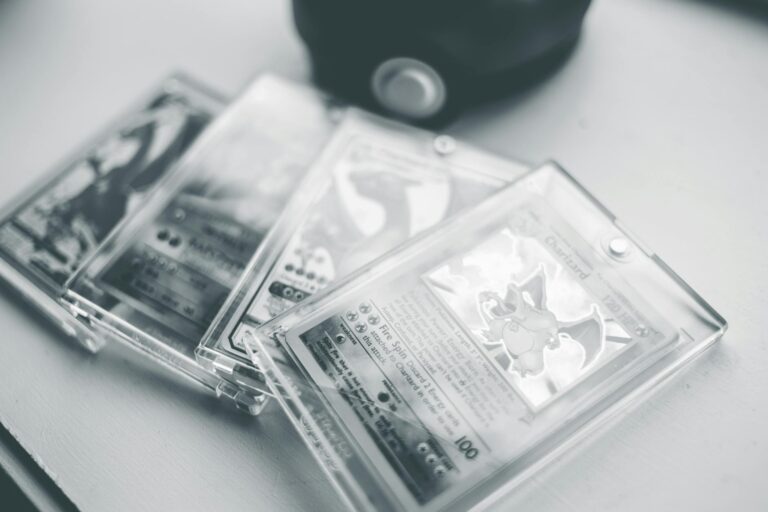
Direct answer: Fourth-print Charizard cards can be either official Pokémon Company prints or unofficial counterfeits—whether a specific “4th print” is an official print depends on the card’s documented print run, set, and identifying marks from the publisher; there is no single industry rule that every “4th print Charizard” is unofficial. [4]
Essential context and how to determine official status
– What “4th print” usually means: collectors use “1st print,” “2nd print,” “3rd print,” etc., in two different ways: (a) to describe chronological manufacturing runs inside a particular set release (corrections, foil changes, stamp changes, plate runs), and (b) as informal shorthand for different reprints across expansions or promotional runs. The Pokémon Organized Play and Pokémon TCG documentation treat official reprints as new releases or promo prints with distinct identifiers, not merely ordinal “print numbers.” [4][2]
– Official identifiers to check: the reliable way to establish if a Charizard card is an official Pokémon Company print is to compare the card’s visible and documented identifiers with publisher records and community databases: set symbol and set number, copyright line (usually small text at the bottom with “©” and year and publisher), rarity symbol and set code, any promo logos (for example “Play! Pokémon” on prize/promotional packs), edition stamps (e.g., 1st Edition in older products), and known printing corrections or varieties catalogued by established reference sites. Bulbapedia and the Pokémon TCG official tournament handbook explain how reprints and promos are released and how to check legality and release information. [2][4]
– Known printed reprints and promotional series: Pokémon has released official reprint and promo series (for example, Play! Pokémon Prize Pack Series Four), and such releases are documented with their own product markings and release dates—these are *official* prints even if they reproduce older card art. A “later” print that is part of an officially released product with publisher markings is legitimate. [2]
– Error prints, corrected prints, and “print runs”: some historically famous examples (e.g., differences between first press, shadowless, first edition, and unlimited Base Set prints, or later UK-exclusive corrected Base Set runs) were produced by official manufacturers and later corrected in subsequent runs; those subsequent runs are still official prints even when collectors call them “4th print” or “corrected print.” Community-maintained lists of error cards and corrected runs document these variants. [7]
– How fakes complicate “4th print” talk: counterfeiters sometimes reproduce later reprints or create fake “rare” print designations (e.g., claiming to be a scarce 4th print). Because counterfeit cards may copy later visual attributes (foil patterns, set logos), visual inspection alone can be insufficient—authentication by reputable graders or comparison to verified reference scans is often necessary. Authoritative released-product markings and publisher documentation remain the primary objective evidence of official status. [7][4]
Practical step‑by‑step to verify if a specific 4th-print Charizard is official
1. Read the copyright and publisher line on the card and compare to known authentic examples for that set and year; official cards will show consistent copyright text and years printed by The Pokémon Company International and the card manufacturer(s) listed there. [4]
2. Check the set symbol, set number, and rarity marker against official card lists (Bulbapedia, official Pokémon TCG product pages) to confirm the card’s claimed set and print match documented releases. [2]
3. Look for product-specific logos or stamps (for promos, Play! Pokémon marks, special set insignia) that match an official release; such logos indicate the card was included in a sanctioned product. [2][4]
4. Compare the card to reference images of known reprint runs and corrected prints (collector wikis and error-card pages list differences that often identify later print runs). [7]
5. If you still have doubts, seek third-party authentication: reputable grading companies and experienced third-party authenticators can confirm manufacturer printing characteristics (paper, ink, foil layering, and print plate traits). Grading results from recognized services provide strong evidence of official printing. [7]
When the publisher (Pokémon/the Pokémon Company International/TPCI) confirms prints
– Official declarations about reprints, product lines, or printing capacity (for example public announcements about new printing facilities or product reprint programs) are authoritative for determining whether subsequent printings are legitimate company outputs; industry reporting and Pokémon’s official tournament rules also explain how reprints are handled for legality and product identification. [5][4]
Medical statements and authoritative sourcing (when applicable)
– The query asked to “make sure to include authoritative sources when anything medical is stated.” This subject (card printing/authenticity) does not ordinarily require medical claims; therefore no medical statements are being made and no medical sources are necessary. If you meant “material” or “manufacturing” rather than “medical,” please clarify and I will cite manufacturing- or materials-science sources. [4]
Why collectors sometimes label later official prints as less “authentic” or “valuable”
– Market perception and rarity: first pressings (first edition, certain early plate runs, or early foil variants) are often more valuable because they were produced in smaller quantities or because early errors were later corrected; later official prints typically have higher supply and therefore lower market value even though they are legitimately produced by the publisher. [7]
– Visual differences and desirability: changes such as foil pattern, holo treatment, cardstock stock, and small design corrections cause collectors to differentiate releases and treat them as separate collectible variants even though all are official prints. [7]
Red flags a “4th print Charizard” might be counterfeit or misrepresented
– Missing or incorrect copyright line or incorrect year text compared to known legitimate examples; inconsistent or poor print quality in tiny copyright or set-code text is a common counterfeit sign. [4][7]
– Incorrect foil pattern, mismatched set symbol, or a set number that doesn’t exist in official set lists. [2][7]
– A seller claiming extraordinary rarity or a special “4th print” designation without citing an official product listing, set release, or manufacturer documentation. Sellers sometimes apply collector jargon to increase perceived rarity—objective verification is required. [2][7]
– If authenticity is critical (high-value purchase, submission for grading), obtain third-party grading/authentication from a recognized firm before finalizing the transaction; graded cards from major companies provide a verifiable chain of authenticity. [7]
Sources used to support the above statements
– Pokémon TCG Tournament Handbook and official Pokémon rules documentation, which describe release and legality schedules and how reprints and promo cards are identified by the company; these explain the official process for reprints and product markings you should check on a card.[4]
– Bulbapedia pages documenting Play! Pokémon Prize Pack reprints and card lists; community-managed encyclopedias catalogue sets, promo series, and how later reprints are labeled in product releases.[2]
– Bulbapedia’s Error Cards and corrected-run documentation, which show how official corrections and later printings are tracked and distinguished