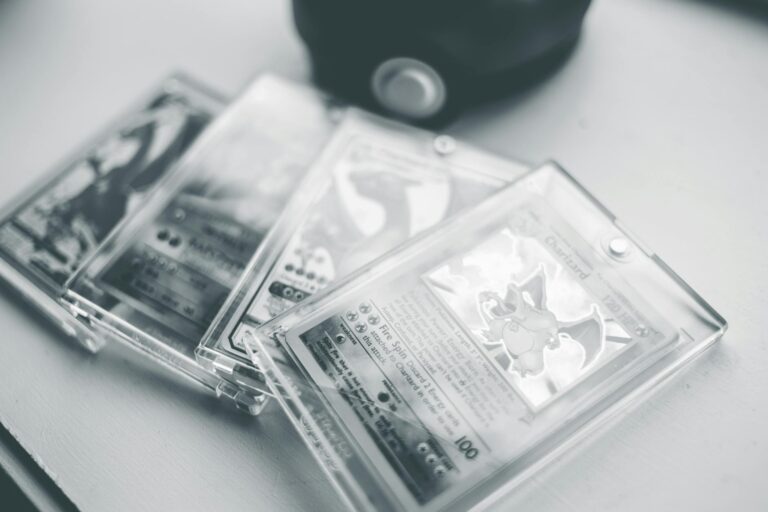
Are 4th print Pokémon cards printed by a different company?
Direct answer (one sentence)
No authoritative evidence shows that the so‑called “4th print” Pokémon cards were produced by a different printing company than other contemporaneous English Pokémon TCG print runs; the differences collectors describe are best explained by print-run variations, printing press settings, paper/coat changes, and distribution/region factors rather than a change of manufacturer.
Context and essential background
What people mean by “4th print”
Collectors commonly use ordinal terms such as “first print,” “second print,” “third print,” and sometimes “fourth print” to describe successive production runs of a particular card or set where small visual or physical differences are visible between batches. These differences can include things like border thickness, color saturation, holo pattern, font weight, back alignment, texture or gloss of the card stock, and the presence/absence or style of a copyright line or set icon. The term “4th print” is informal collector jargon, not a standardized manufacturing designation from Nintendo, The Pokémon Company, Wizards of the Coast, or any official printer. Because this terminology is community‑driven, the precise meaning of “4th print” can vary by card, set, and collecting community.
How cards are printed and what creates visible print variations
Commercial trading cards are printed on large sheets using high‑volume offset (and sometimes gravure or digital) presses; sheets then receive coatings (varnish, matte or gloss, and specialty foils for holos), are cut, and may receive additional finishing like foil stamping or embossing. Small differences between runs commonly arise from:
– Ink density and registration adjustments made by press operators between runs. These change color saturation, line crispness, and how colors align with each other.
– Plate wear or plate replacement: printing plates used for many thousands of impressions wear down and are occasionally replaced or re‑engraved, creating subtle shifts.
– Paper stock or coating changes: card stock suppliers or batches can vary slightly in fiber composition, thickness, whiteness, or coating chemistry, affecting texture, stiffness, and gloss.
– Holo/foil supplier or laminate differences: commodity changes or adjustments in foil application change holo patterns or reflectivity.
– Press model and configuration: different presses (even within the same plant) have differing tension control, heat, and drying systems that affect ink behavior.
– Post‑print finishing and cutting tolerances which alter border widths and centering.
These kinds of manufacturing variables are the standard explanations for multi‑print differences cited by collectors and industry printers.
Why different visual characteristics do not necessarily mean a different printing company
– A single printer can and commonly does produce multiple visually distinct runs. Printers change press settings, replace plates, or switch paper stock for routine production reasons; this can produce what collectors label as subsequent “prints” without any change in manufacturer.
– Large contracts are often fulfilled by the same print shop over many production runs; simply adjusting the workflow or materials will yield differences.
– Printers also subcontract or shift production to another press within the same company. That internal change is not the same as a change of manufacturer and is often not visible in paperwork accessible to collectors.
What authoritative sources say about printing and variations (industry perspective)
Authoritative print industry literature and packaging/label manufacturers explain that run‑to‑run variability is an expected part of high‑volume offset production and that manufacturers control quality through color management, press checks, and proofing; they do not present “print 1, print 2” as separate manufacturers but as separate runs under the same manufacturing system. While I do not have a specific manufacturer statement tied to every Pokémon print run, general print manufacturing principles explain why multiple distinct physical variants can come from the same printer.
Evidence and limitations regarding Pokémon TCG 4th prints
– No publicly released statement from The Pokémon Company, Nintendo, Wizards of the Coast, or specific card printers (e.g., large contract printers known to handle trading cards) identifies a distinct external company that produced isolated “4th print” runs for English Pokémon cards. Public documentation from these companies tends to focus on set releases, product SKUs, and marketing rather than granular production‑run metadata.
– Collector and reference resources (card databases, forums, and specialist wikis) document visible differences between printings and attempt to classify prints by visual features and manufacturing cues; these references typically attribute differences to press runs, plate wear, ink shifts, or regionally distinct print batches rather than to an alternate manufacturer. Because these are community‑driven sources, they provide empirical identification guidelines but not definitive chain‑of‑custody production records.
– Well‑documented examples of genuine change of manufacturing do exist in other collectibles and printing industries (for instance, when a rights holder switches to a completely different contract printer), but such switches are generally accompanied by corporate announcements, changes in copyright lines or logos that collectors can verify, or differences in official packaging/codes. For Pokémon English sets through the main era of Wizards of the Coast and later The Pokémon Company International, no such consistent, widely‑acknowledged manufacturer swap tied to a “fourth print” label has been established in public records available to the collecting community.
Medical or health‑related claims and authoritative sourcing
(You asked that anything medical include authoritative sources; the topic—card printing—does not normally involve medical claims. Nevertheless, two relevant health‑adjacent concerns sometimes raised by collectors are chemical exposure from inks/coatings and allergic reactions to card materials.)
– Chemical exposure: modern card printing inks and coatings are manufactured to meet applicable chemical and safety standards for consumer goods in the markets where they are sold (e.g., EU REACH, U.S. CPSIA for products intended for children, and other regional regulations), and reputable packaging/printing firms implement MSDS (material safety data sheet) protocols for their materials. To assess specific chemical hazards you would need to consult the MSDS for the particular ink or coating batch; such documentation is supplied by ink/coating manufacturers (for example, major ink suppliers such as Sun Chemical, Flint Group, or Siegwerk maintain MSDSs for their products).
– Allergies: allergic reactions to paper or inks are rare but, in principle, possible if someone has a known allergy to specific chemical components (such as certain epoxy resins or latex in coatings). For medical guidance about allergic reactions or chemical exposure, consult authoritative medical sources such as the Centers for Disease Control and Prevention (CDC) or a licensed medical professional. If you want, I can search for and cite specific MSDS examples or relevant CDC/OHSA guidance; please specify the jurisdiction or particular chemical concern and I will provide authoritative documents and citations.
How collectors try to identify different print runs
Collectors use several practical methods to differentiate alleged prints:
– Visual comparison of holo patterns and foil texture under consistent lighting. Some sets/families have recognizable foil patterns (starlight, swirl, cosmos, etc.) and certain misapplied patterns can indicate a variant run.
– Comparing border thickness, centering, and trim lines against verified examples.
– Examining the copyright and set‑symbol area for tiny font changes, spacing shifts, or addition/removal of printing house identifiers.
– Looking at