Logan Paul’s net worth sits at an estimated $150 million, though that figure is heavily debated. Forbes pegged him at just $9.8 million in October 2024, largely because valuing his stake in PRIME Hydration is more art than science. What is not up for debate is that Paul just pulled off the most expensive trading card sale in auction history, selling his PSA Gem Mint 10 Pikachu Illustrator card for $16.5 million at Goldin Auctions on February 16, 2026. That single transaction netted him an estimated $8 million in profit after fees, cementing his reputation as the most high-profile Pokemon card collector on the planet.
But Paul’s collectibles portfolio tells a more complicated story than one headline sale. His NFT holdings have cratered in value, with one Azuki piece dropping from $623,000 to roughly $155. His fractional NFT platform, Liquid Marketplace, went dark with user funds still locked inside. And the CryptoZoo saga, while legally resolved in his favor, left 140 investors claiming six-figure losses. This article breaks down where Paul’s money actually comes from, the full arc of his Pokemon card investments, his NFT losses, and what his record-breaking Pikachu Illustrator sale means for the broader trading card market.
Table of Contents
- How Much Is Logan Paul Actually Worth, and Where Does the Money Come From?
- The $16.5 Million Pikachu Illustrator Sale and What It Really Means
- Logan Paul’s Broader Pokemon Card History
- NFTs vs. Pokemon Cards — What Paul’s Portfolio Reveals About Collectible Investing
- The CryptoZoo Fallout and Liquid Marketplace Collapse
- What the Pikachu Illustrator Sale Signals for the High-End Pokemon Market
- Where Logan Paul’s Collectibles Strategy Goes From Here
- Conclusion
- Frequently Asked Questions
How Much Is Logan Paul Actually Worth, and Where Does the Money Come From?
The gap between $150 million and $9.8 million is not a rounding error. It reflects a fundamental disagreement about how to value PRIME Hydration, the energy drink brand Paul co-founded with KSI. Paul holds a 20% equity stake, with Congo Brands controlling 60% and KSI holding the remaining 20%. At various points, PRIME’s valuation has been cited anywhere from $2 billion to $10 billion, which means Paul’s slice could theoretically be worth anywhere from $400 million to $2 billion on paper. Forbes, taking a more skeptical view, clearly discounted that stake significantly when it published its $9.8 million figure.
Outside of PRIME, Paul’s income streams are more straightforward. His WWE contract reportedly pays $5 million per year. YouTube revenue, sponsorship deals, and merchandise round out the picture. But the PRIME situation has gotten murkier recently. Revenue crashed 76% to a projected $300 million by late 2025, and UK revenue specifically dropped 71%. That kind of decline makes the higher-end valuations increasingly hard to defend, and it suggests that Forbes’s conservative estimate may have been closer to reality than the $150 million number that gets repeated across celebrity net worth sites.
The $16.5 Million Pikachu Illustrator Sale and What It Really Means
On February 16, 2026, Logan Paul’s 1998 Japanese Pikachu Illustrator card sold for $16.5 million through Goldin Auctions, setting a Guinness World Record for any trading card sold at auction. The card is graded PSA Gem Mint 10, and it is the only Pikachu Illustrator in existence with that grade. Paul originally purchased it in 2021 for $5.275 million, meaning the sale represented a roughly 213% return over five years. After auction house fees and other costs, his estimated profit landed above $8 million. The buyer was AJ Scaramucci, son of financier Anthony Scaramucci.
The auction itself lasted 41 days of bidding, which speaks to both the card’s rarity and the intensity of competition at the top of the market. However, it is important to understand that this sale does not mean all Pokemon cards are appreciating at triple-digit rates. The Pikachu Illustrator is a singularly rare card. Fewer than 40 copies are believed to exist, and only one has ever received a PSA 10 grade. If you are holding a standard vintage holo Charizard and expecting similar returns, the comparison simply does not apply. Record-breaking sales at the top of the market can actually distort expectations for collectors holding mid-tier cards.
Logan Paul’s Broader Pokemon Card History
Paul did not stumble into Pokemon cards casually. He has been one of the most visible figures in the hobby since 2020, when he began filming himself opening sealed vintage product and making high-profile purchases. His involvement brought a wave of mainstream attention to the market, and opinions on whether that was good or bad for the hobby remain split. Prices surged during the period he was most active, but some longtime collectors argue that the influencer-driven hype inflated values beyond what fundamentals supported.
The pikachu Illustrator was always his crown jewel. When he purchased it for $5.275 million in 2021, it was already the most expensive Pokemon card ever sold. He famously wore it in a custom pendant around his neck at public appearances, a move that generated both publicity and anxiety among collectors who worried about potential damage to a one-of-a-kind card. The decision to sell now, at $16.5 million, suggests Paul timed the market well. Whether the next owner holds it as a long-term asset or flips it again will be one of the more interesting stories to follow in the trading card world.

NFTs vs. Pokemon Cards — What Paul’s Portfolio Reveals About Collectible Investing
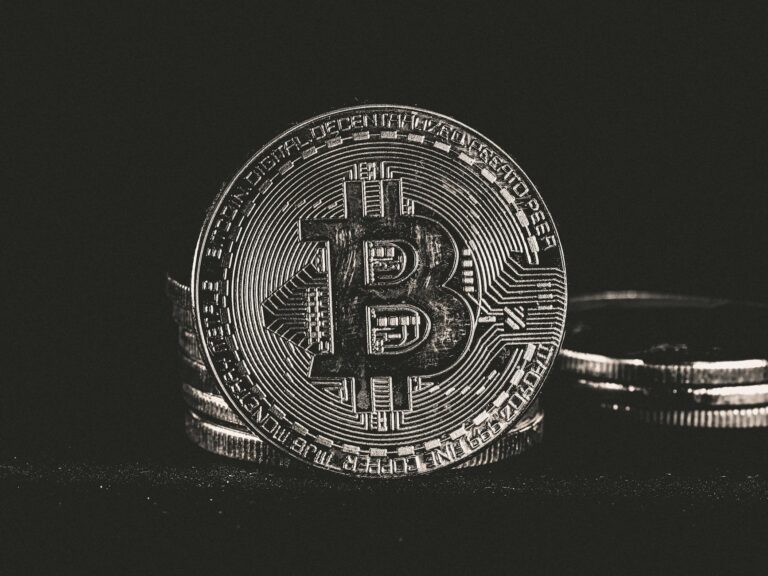
The contrast between Paul’s Pokemon card returns and his NFT performance could not be sharper. According to the Hollywood Reporter, Paul holds approximately 100 NFTs with over $4 million invested. His top holdings include three CryptoPunks: #2294 valued at roughly $216,000, #7861 at approximately $102,000, and #4484 at about $87,000. Those CryptoPunks have at least retained some value. The rest of his NFT portfolio has not been so fortunate. The most painful example is his “Bumblebee” Azuki NFT. Paul purchased it for 188 ETH, which at the time cost him $623,000.
That same NFT is now worth approximately $155. That is not a typo. A six-figure purchase lost 99.97% of its value. The lesson here is not that all digital collectibles are worthless, but that liquidity and established grading systems matter enormously. Pokemon cards have PSA, BGS, and CGC providing standardized authentication. They have decades of market history. NFTs had speculative enthusiasm and very little else underpinning most projects. Paul’s own portfolio is the most effective case study for why physical collectibles with established infrastructure have outperformed digital ones.
The CryptoZoo Fallout and Liquid Marketplace Collapse
CryptoZoo was supposed to be a blockchain-based game where players could buy, hatch, and breed NFT animals. It attracted significant investment, and when the project failed to deliver, 140 investors filed a class action lawsuit claiming individual losses between $100,000 and $350,000. The case was dismissed on October 29, 2025, after a judge ruled that Paul’s promotional statements amounted to “puffery” rather than actionable fraud. That legal distinction matters. Courts have long held that vague promotional language does not constitute a binding promise, even when investors lose money based on it.
Paul had previously offered to buy back $2.3 million worth of CryptoZoo NFTs at 0.1 ETH each, but the offer came with a catch. Sellers had to waive their right to participate in any lawsuit against him. That kind of conditional buyback is a warning sign for anyone considering investing in influencer-backed projects. Meanwhile, Liquid Marketplace, Paul’s fractional NFT trading platform, went offline entirely, and users reported being unable to withdraw their funds. A separate defamation lawsuit Paul filed against YouTuber Coffeezilla, who investigated CryptoZoo extensively, has a trial date set for May 4, 2026. The legal saga is not over.
What the Pikachu Illustrator Sale Signals for the High-End Pokemon Market
The $16.5 million sale reinforces a trend that serious collectors have been watching for years. The very top of the Pokemon card market operates almost like fine art. Scarcity, provenance, and condition drive prices into territory that has nothing to do with the gameplay value of the card. A PSA 10 Pikachu Illustrator is essentially a one-of-one asset, and pricing it against other Pokemon cards is misleading.
It is better compared to a rare painting or a historically significant sports artifact. For collectors working with more modest budgets, the practical takeaway is that grading and condition matter more than ever. The gap between a PSA 9 and a PSA 10 can represent millions of dollars at the top of the market, and significant multiples even for cards in the $500 to $5,000 range. If you are buying vintage Pokemon cards as investments, sending them to a reputable grading service is not optional.
Where Logan Paul’s Collectibles Strategy Goes From Here
With the Pikachu Illustrator sold, the obvious question is what Paul does with the proceeds. His track record suggests he will stay active in the collectibles space, though whether he doubles down on Pokemon cards or diversifies into other categories remains to be seen. Sports cards, vintage video games, and even comic books have all seen institutional-level money flow in during the past few years. The broader picture is that Paul has become a case study in modern collectible investing, for better and worse.
His Pokemon card play turned $5.275 million into $16.5 million. His NFT portfolio turned millions into almost nothing. His CryptoZoo project burned investors while he walked away legally unscathed. For collectors watching from the outside, the lesson is straightforward: the asset class matters, due diligence matters, and a celebrity’s involvement in a project is not a substitute for either.
Conclusion
Logan Paul’s collectibles journey encompasses one of the greatest trading card investments ever recorded and some of the most dramatic NFT losses any public figure has sustained. His $16.5 million Pikachu Illustrator sale set a Guinness World Record and delivered an $8 million profit, while his Azuki NFT purchase went from $623,000 to $155. His net worth, somewhere between Forbes’s conservative $9.8 million and the widely cited $150 million, depends largely on how you value a 20% stake in a beverage company whose revenue has dropped 76%.
For Pokemon card collectors, the relevant takeaway is about the market itself, not the celebrity. Ultra-rare cards in perfect condition continue to attract serious money, and the Pikachu Illustrator sale will likely pull more wealthy buyers into the hobby. But the vast majority of Pokemon cards are not Pikachu Illustrators. Understanding where your cards fall on the rarity and condition spectrum is far more important than following the headlines.
Frequently Asked Questions
How much did Logan Paul’s Pikachu Illustrator card sell for?
The PSA Gem Mint 10 Pikachu Illustrator sold for $16.5 million at Goldin Auctions on February 16, 2026, setting a Guinness World Record for any trading card sold at auction.
How much did Logan Paul originally pay for the Pikachu Illustrator?
Paul purchased the card in 2021 for $5.275 million. After selling it for $16.5 million and accounting for auction fees, his estimated profit was over $8 million.
Who bought Logan Paul’s Pikachu Illustrator card?
The buyer was AJ Scaramucci, son of financier Anthony Scaramucci. The auction ran for 41 days before closing.
What happened to Logan Paul’s NFT investments?
Most have lost significant value. His Azuki “Bumblebee” NFT dropped from a $623,000 purchase price to approximately $155. His CryptoPunk holdings have retained some value, with his top three pieces collectively worth around $405,000.
Was the CryptoZoo lawsuit resolved?
The class action filed by 140 investors was dismissed on October 29, 2025. The judge ruled Paul’s promotional statements were “puffery” rather than fraud. However, a separate defamation suit Paul filed against Coffeezilla goes to trial on May 4, 2026.
How much is Logan Paul worth in 2026?
Estimates range from $9.8 million (Forbes, October 2024) to $150 million depending on how his 20% stake in PRIME Hydration is valued. PRIME’s revenue dropped 76% to a projected $300 million by late 2025, complicating these valuations.